
Last updated November 2, 2026
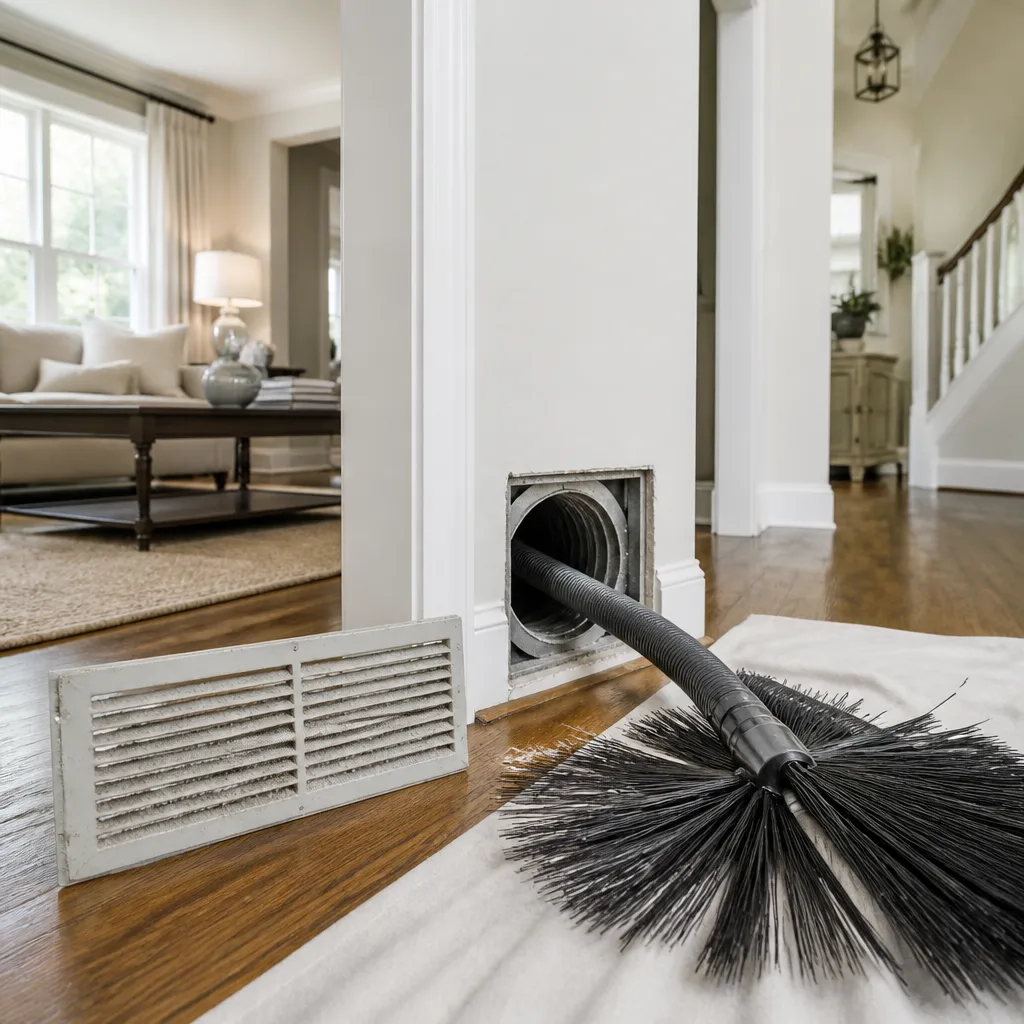 Whole-home duct cleaning
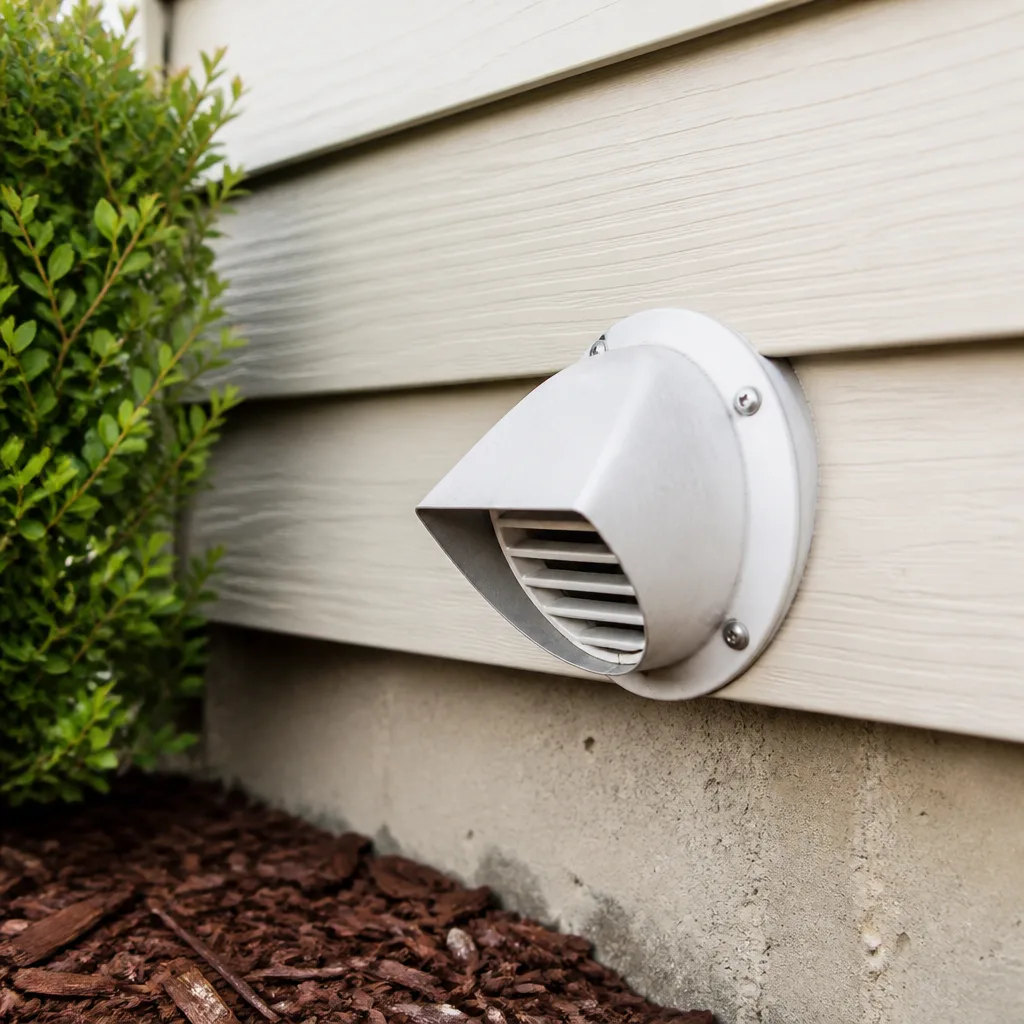 Dryer vent cleaning
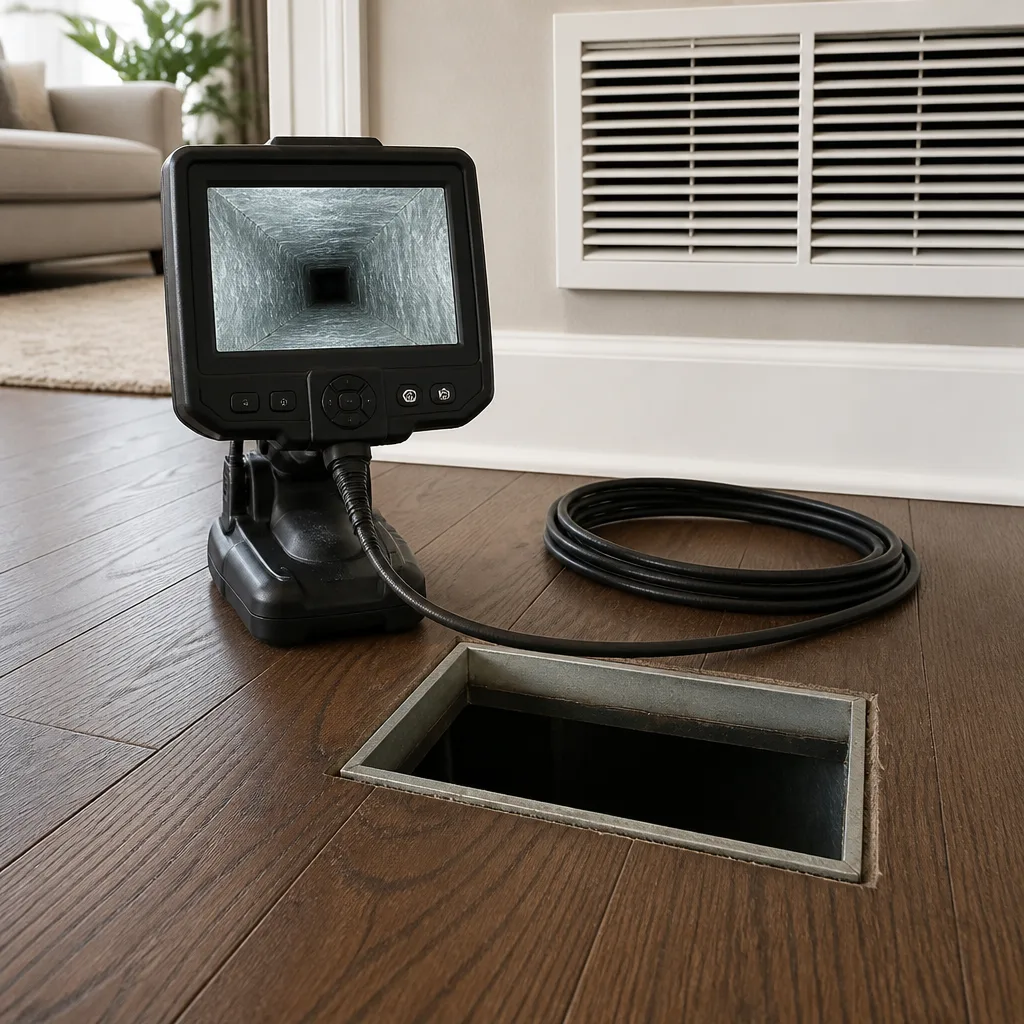 Camera inspection
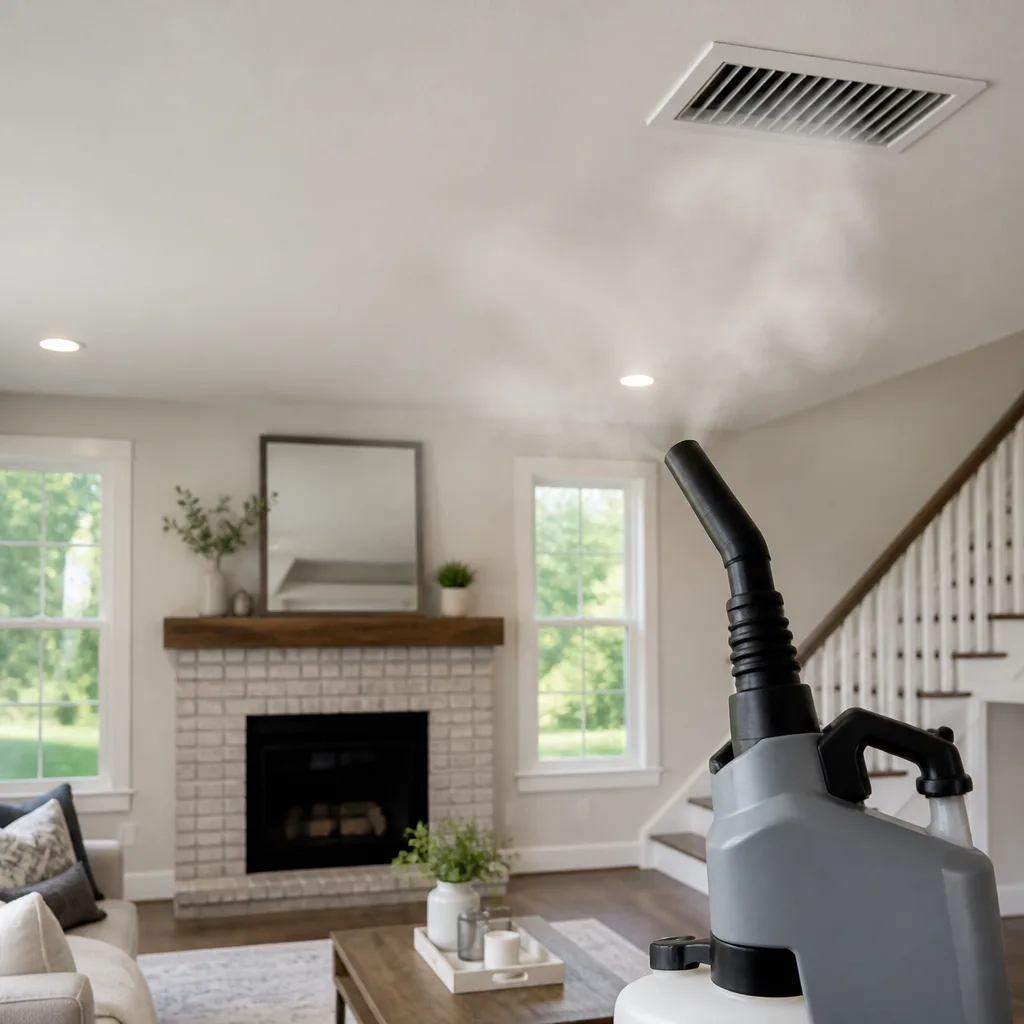 Sanitizing & deodorizing
Whole-system duct and dryer vent check with before-and-after photos - you see exactly what came out of your vents
That "$99 whole-house special" is a bait ad - the real number appears once they are in your hallway, or the "clean" is a shop-vac at the register. We photograph the inside of your ducts before and after instead.
Air Duct Cleaning Emergency Preparedness Guide for Pacific Beach Homes
When the 2025 LA fires pushed smoke into San Diego County, HVAC systems running on return-air mode actively pulled contaminated outdoor air through ductwork that most homeowners didn’t know was functioning as a smoke collection system. Pacific Beach sits in a unique position: far enough from wildfire ignition zones to feel safe, yet squarely in the path of smoke plumes that ride offshore winds straight into our coastal neighborhoods. This guide covers what happens to your ductwork during wildfire smoke events and Santa Ana wind conditions, and how to prepare your Pacific Beach home before the next air quality emergency arrives.
Quick Answer
Air duct cleaning emergency preparedness for Pacific Beach homes means doing three things well: setting your HVAC system to recirculate before smoke arrives, upgrading to a MERV 13 filter during fire season, and scheduling a post-event duct inspection when particulate loading has been heavy. During Santa Ana wind events, your return-air intakes pull in fine particulate that settles inside ductwork and keeps recirculating long after outdoor air clears. A professional inspection with equipment like Rotobrush systems can determine whether your ducts need our Air Duct Cleaning services or just a filter change.
Styles & brands we work with
- Whole-home duct cleaning
- Dryer vent cleaning
- Camera inspection
- Sanitizing & deodorizing
Table of Contents
- Why Pacific Beach Ducts Are Vulnerable During Fire Season
- Pre-Event Protocol: HVAC Settings, Filters, and Intake Sealing
- What Happens Inside Ductwork During a Smoke Event
- Santa Ana Wind Events and Particulate Loading in Return Air Intakes
- Post-Event Assessment: Cleaning vs. Filter Replacement
- Documentation for Insurance Claims Involving Duct Contamination
- Building a Year-Round Duct Resilience Plan for Coastal Homes
Why Pacific Beach Ducts Are Vulnerable During Fire Season
Pacific Beach homes face a specific set of conditions that make ductwork contamination worse than what inland San Diego neighborhoods experience. Our coastal location means salt-laden air moves through return intakes year-round, leaving a slightly tacky residue on duct surfaces. When wildfire smoke arrives, that residue acts as a binding agent. Particulate that would normally blow through a dry duct system instead sticks to interior surfaces. This is a pattern we’ve documented repeatedly in Pacific Beach homes: smoke particulate adheres more aggressively in coastal ductwork than in inland systems.
The second factor is housing stock age. A significant portion of Pacific Beach homes were built between 1950 and 1980. Many have original or decades-old ductwork with gaps at joints, unsealed returns, and undersized filtration slots that can’t accommodate modern high-efficiency filters without modification. During a smoke event, these older systems pull unfiltered air through every gap, bypassing whatever filter is installed. The result is that even homes where occupants closed windows and stayed indoors experienced measurable particulate infiltration through the HVAC system itself.
The third factor is occupancy patterns. Pacific Beach has a high concentration of rental properties and vacation homes. Many sit unoccupied for weeks or months, with HVAC systems either off or running on minimal schedules. When smoke events occur during vacancy, no one is present to switch the system to recirculate mode or shut it down entirely. The system keeps cycling smoky air through the ductwork, filling the entire distribution network with particulate that then gets pushed into living spaces the moment residents return.
Understanding these vulnerabilities matters because mitigation needs to happen before an emergency, not during one. By the time you smell smoke in your Pacific Beach living room, your ducts have likely been collecting particulate for hours or days already.
Pre-Event Protocol: HVAC Settings, Filters, and Intake Sealing
Wildfire smoke in San Diego County is rarely a surprise event. We typically get 24 to 72 hours of warning as fires develop and wind patterns shift. That window is when the most effective preparation happens. Here is a step-by-step protocol we recommend for Pacific Beach homeowners when smoke is forecast.
- Switch your thermostat to FAN ON, not AUTO. This keeps air moving through the filter continuously rather than in intermittent bursts. Continuous filtration captures more particulate than stop-start cycling.
- Set the system to recirculate if your thermostat supports it. Modern smart thermostats and some older programmable models have this setting. If yours does not, leave the system in cooling or heating mode but close any fresh-air intake dampers if your home has one.
- Upgrade to a MERV 13 filter before fire season starts. A MERV 13 filter captures wildfire smoke particulate far more effectively than standard MERV 8 fiberglass filters. Confirm your filter slot can accommodate the thicker media. Many Pacific Beach homes with older HVAC systems need a filter slot modification to fit MERV 13 without restricting airflow.
- Seal window-mounted intake vents and dryer vents that are not in use. Exterior intake points that lead into unconditioned spaces should be covered during smoke events. Use magnetic vent covers for metal grilles or painter’s tape and plastic sheeting as a temporary measure.
- Check and seal return-air register gaps. If you can feel air being pulled in around the edges of return grilles, those gaps are bypassing your filter. Foam gasket tape applied behind the register face takes five minutes and eliminates that bypass path.
Filter selection deserves more attention than it usually gets. We recommend Aprilaire filtration products because their media filters are designed to handle high particulate loads without collapsing or restricting airflow the way cheaper fiberglass filters do under the same conditions. The filter is your ductwork’s first line of defense. A filter that fails under load sends everything downstream into the ducts.
One more preparation step that costs nothing: photograph your filter before the smoke event. Note the date you installed it, and write it on the filter frame with a permanent marker. This gives you a baseline for post-event comparison and insurance documentation.
What Happens Inside Ductwork During a Smoke Event
When wildfire smoke moves over Pacific Beach, your HVAC system becomes an active smoke delivery mechanism unless you have taken steps to prevent it. Here is what actually happens, hour by hour, inside the ductwork of a typical home running in normal cooling mode during a smoke event.
Smoke particulate entering through return-air intakes is measured in microns, with the most dangerous particles in the PM2.5 range or smaller. These particles are light enough to remain suspended in air, which means they follow airflow wherever it goes. As smoky air passes through your return registers and into the main return trunk, the first thing it encounters is the filter. A MERV 8 filter captures perhaps 20 to 40 percent of PM2.5 particulate. A MERV 13 captures 70 to 90 percent. The rest passes through and enters your supply ductwork.
Once inside the supply side, particulate begins a process called thermophoretic deposition. This simply means that particles tend to settle on cooler surfaces. Ductwork in unconditioned spaces, like attics and crawlspaces, is cooler than the air moving through it during summer months. That temperature differential causes particulate to drop out of the airstream and adhere to duct walls and elbows. Over hours of continuous smoke exposure, a visible layer accumulates inside supply ducts, particularly at the first few feet after the air handler where turbulence is highest.
Even after outside air clears, this deposited material remains. Every time your system runs, airflow over those deposits re-entrains some of the particulate, releasing it back into living spaces in small doses. This is why homes that never smelled smoky indoors during an event can still experience lingering odor and respiratory irritation for weeks afterward. The ducts became a reservoir.
In Pacific Beach specifically, the salt residue factor we discussed earlier compounds this. Smoke particulate binds to that residue more readily than to clean galvanized metal, meaning coastal homes retain more of what passes through. If your home is within three miles of the coastline, which covers most of Pacific Beach, this applies to you.
Santa Ana Wind Events and Particulate Loading in Return Air Intakes
Santa Ana wind events create a different but related problem for Pacific Beach ductwork. These offshore winds blow from the desert toward the coast at sustained speeds of 20 to 40 mph, with gusts reaching 60 mph or higher. While Pacific Beach does not experience the full force that inland canyons do, we get enough sustained offshore flow to matter.
What the Santa Anas carry is not just dust. They transport fine desert particulate, pollen from inland vegetation, and whatever else moves across the landscape ahead of the front. During a Santa Ana episode in Pacific Beach, outdoor particulate counts spike significantly, often approaching levels seen during moderate wildfire smoke events. The difference is duration and direction. Santa Anas can persist for three to five days, which means prolonged loading on your return air intakes.
Return air intakes on the exterior walls of Pacific Beach homes face a specific challenge during these events. The wind drives particulate horizontally with enough force to push against grille openings that gravity-fed dust would never enter. Exterior-mounted return grilles, common on older Pacific Beach building stock, act as direct injection points for wind-driven particulate. Once that material enters the return plenum, it either collects on the filter or passes through to coat duct interiors, blower wheels, and cooling coils.
Our recommendation during sustained Santa Ana events is the same as during smoke: run the fan continuously, keep a high-efficiency filter in place, and consider temporary exterior vent covers on return grilles if your system design allows for it. If exterior covers are not feasible, plan for a filter inspection after the event ends. A filter that handled typical coastal air for three months can look completely loaded after five days of Santa Ana wind.
Post-Event Assessment: Cleaning vs. Filter Replacement
After a smoke event or extended Santa Ana wind episode, every Pacific Beach homeowner faces the same question: is a filter change sufficient, or does the duct system need cleaning? Here is a practical assessment framework we use.
Start with the filter. Remove it and hold it against a clean white background. If the filter shows heavy soot accumulation, darkening across most of the media surface, or visible particulate clumping, the system ran hard during the event. Document with a photo, then install a fresh MERV 13 filter immediately.
Next, check the return plenum and the first few feet of visible ductwork. Remove a return grille and use a flashlight to inspect the return box and the inside of the duct as far as you can see. If you observe visible dust coating, soot streaking, or debris accumulation, that material extends deeper into the system than you can see. Return-side contamination almost always indicates supply-side contamination because the same air passes through both.
Then consider the event duration and your system’s runtime during it. A home running continuous fan through a 48-hour smoke event will accumulate far more deposition than a home where the system was shut down for most of that period. The more hours the blower ran, the more particulate passed through the ducts, and the more deposited material remains.
If visible contamination is present in the return, if the home has occupants with asthma or respiratory conditions, or if the event was severe enough to warrant air quality alerts for multiple consecutive days, schedule a professional duct inspection. An inspection uses specialized equipment to look inside the full duct run and assess whether cleaning is warranted. A professional cleaning uses professional-grade tools like Rotobrush systems that simultaneously agitate and extract, removing deposited particulate rather than simply pushing it around. This matters after smoke events because the particulate is fine and adherent, and consumer-grade equipment cannot remove it effectively.
For most Pacific Beach homes that experienced smoke exposure but show no visible duct contamination and were protected by a MERV 13 filter that was replaced after the event, a filter change is often sufficient. The key is honest assessment based on observation, not assumption.
Documentation for Insurance Claims Involving Duct Contamination
Duct contamination from wildfire smoke can be part of a broader property damage claim. Pacific Beach homeowners who need to document ductwork condition for insurance purposes should establish a clear paper trail. Insurance adjusters respond to documentation that demonstrates cause, timeline, and professional assessment.
What to maintain:
- Filter purchase records with dates. If you buy filters from a local store or online, retain receipts. If possible, photograph each filter at installation with a date stamp. This establishes that you maintained the system properly before the event.
- Pre-event photos of visible ductwork and registers. When you do seasonal maintenance or simply remove a grille to clean it, photograph the interior. These images serve as your baseline if questions arise later about what the event caused versus what pre-existed.
- Air quality alert records for your area. San Diego County air quality data is publicly available. Screenshot AQI readings during the event window. This documents the severity of exposure your home experienced.
- Post-event filter photos. The filter tells a visual story. A filter that went from clean to heavily loaded in 72 hours demonstrates particulate loading that would have also affected the ducts downstream.
- Professional inspection reports. If you schedule a duct inspection after the event, request a written summary. Photographs from inside the ductwork taken during inspection are the single most persuasive evidence you can present to an adjuster.
- Correspondence with your HVAC provider or duct cleaning company. Emails that document scheduling, findings, and recommendations establish that you acted promptly and in good faith.
For insurance purposes, do not attempt to clean the ducts yourself before an adjuster documents the condition. Disturbing settled particulate by hand-cleaning can make it harder to establish the extent of contamination. Let the adjuster see the system as it is, then proceed with professional remediation. Use products designed for proper containment during any post-event cleaning process. Abatement Technologies makes containment and air-scrubbing equipment that professional remediators use specifically for this type of work, which matters if you are dealing with smoke particulate rather than routine household dust.
Building a Year-Round Duct Resilience Plan for Coastal Homes
Pacific Beach homes need a different maintenance calendar than inland properties. Salt air, coastal humidity, Santa Ana wind events, and periodic wildfire smoke create a combined load on ductwork that routine filter changes alone do not address. Here is a sustainable plan that covers the year.
Spring (April-May): Schedule your annual duct inspection before fire season begins. This is when you address any gaps, leaks, or accumulated debris from the previous year’s Santa Ana events. If filter slots need modification for MERV 13 compatibility, spring is when you do it. Confirm your system is ready for the coming fire season while repair schedules are still flexible.
Summer (June-August): Run the highest-efficiency filter your system can accommodate. Set your thermostat fan to ON during any AQI alerts. Keep an eye on filter condition, especially during heat waves when the system cycles more frequently.
Fall (September-November): This is peak fire season for San Diego County. Keep a spare MERV 13 filter on hand at all times. If you have window-mounted or exterior return grilles, prepare temporary covers now, before smoke arrives. Do not wait until an evacuation warning is issued.
Winter (December-February): Santa Ana season peaks. After significant wind events, inspect your filter and visible return ductwork. This is also the right time to address any duct repairs identified during spring inspection that were deferred. Air duct repair, when done properly, seals the gaps that allow unfiltered air to bypass your filtration system entirely.
This annual rhythm aligns with the conditions Pacific Beach actually experiences. Homes that follow it consistently report meaningfully lower particulate accumulation in duct systems during professional inspections compared to homes on a reactive, event-driven approach.
For homeowners who want to understand the full scope of what a duct system inspection involves, our Air Duct Cleaning in Pacific Beach guide covers the process from start to finish. If your system has known gaps or damage that compromises filtration, Air Duct Repair in Pacific Beach walks through what can be sealed, replaced, or upgraded. And because dryer vents face the same particulate loading during Santa Ana events, Dryer Vent Cleaning in Pacific Beach should be part of your seasonal plan as well. You can learn more about our company and approach at the Fairway Air Duct Cleaning home page.
Common Mistakes to Avoid
- Assuming smoke stayed outside because you kept windows closed. Closed windows do nothing when your HVAC system pulls outdoor air through return intakes and leaks in the ductwork. In Pacific Beach homes with older systems, the HVAC itself is the primary infiltration path during smoke events.
- Using a cheap fiberglass filter during fire season. MERV 8 fiberglass filters capture minimal PM2.5. If you live within a mile of the coast in Pacific Beach, the salt and smoke combination will load a fiberglass filter quickly while still passing most particulate through to the ducts.
- Waiting until smoke is visible to prepare. By the time you see or smell smoke in Pacific Beach, your system has been pulling it in for hours. Preparation needs to happen when fire is first reported anywhere in Southern California that could send smoke our direction, not when the sky turns orange.
- Shutting the system off entirely during a smoke event and calling it done. A stagnant duct system lets deposited particulate settle in place, but it returns to circulation when airflow resumes. The better approach is continuous fan operation with a high-efficiency filter to capture as much as possible during the event.
- Skipping documentation and hoping for the best. If duct contamination becomes part of an insurance claim, adjusters ask for evidence. Homeowners who documented filter changes, pre-event conditions, and post-event observations have far better outcomes than those who rely on verbal descriptions.
- Hand-cleaning smoke particulate from duct interiors without containment. Smoke particulate is fine enough to become airborne again with minimal disturbance. Without proper containment, hand-cleaning redistributes the particulate into living spaces rather than removing it. Leave significant contamination for professional equipment designed to capture what it removes.
- Neglecting the salt-and-smoke interaction specific to coastal ductwork. Pacific Beach homes accumulate more particulate than inland neighbors under identical conditions because salt residue creates a binding surface. If your inland friends tell you a filter change is sufficient after a smoke event, their assessment is based on different duct conditions than yours.
See the difference
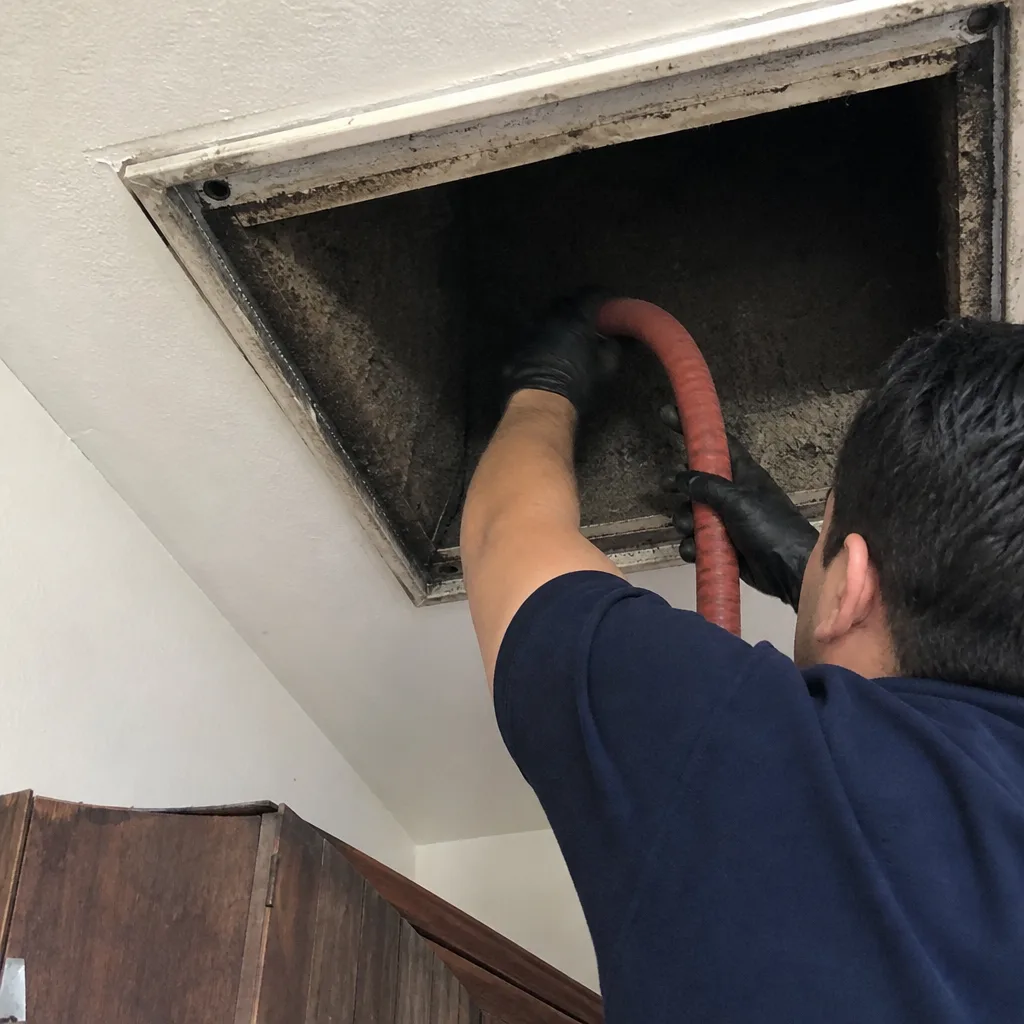 Before
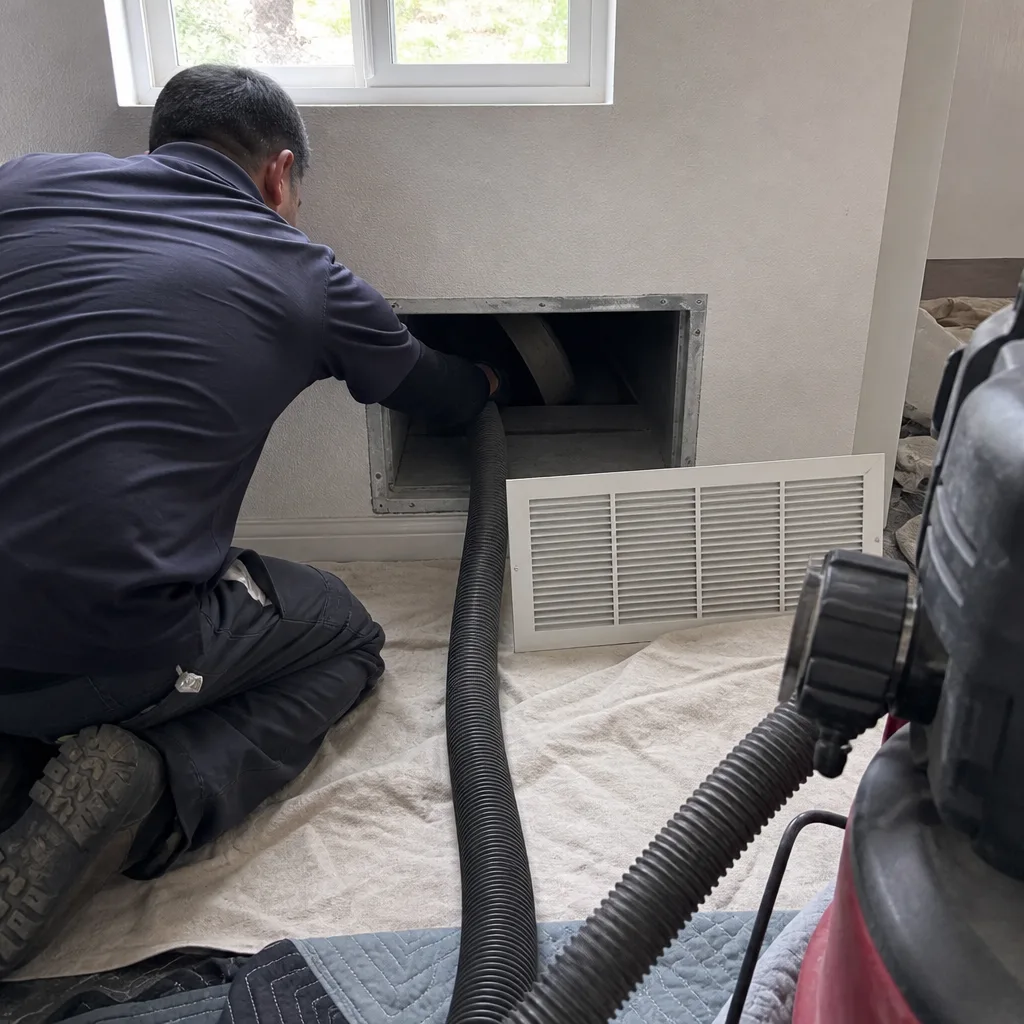 After
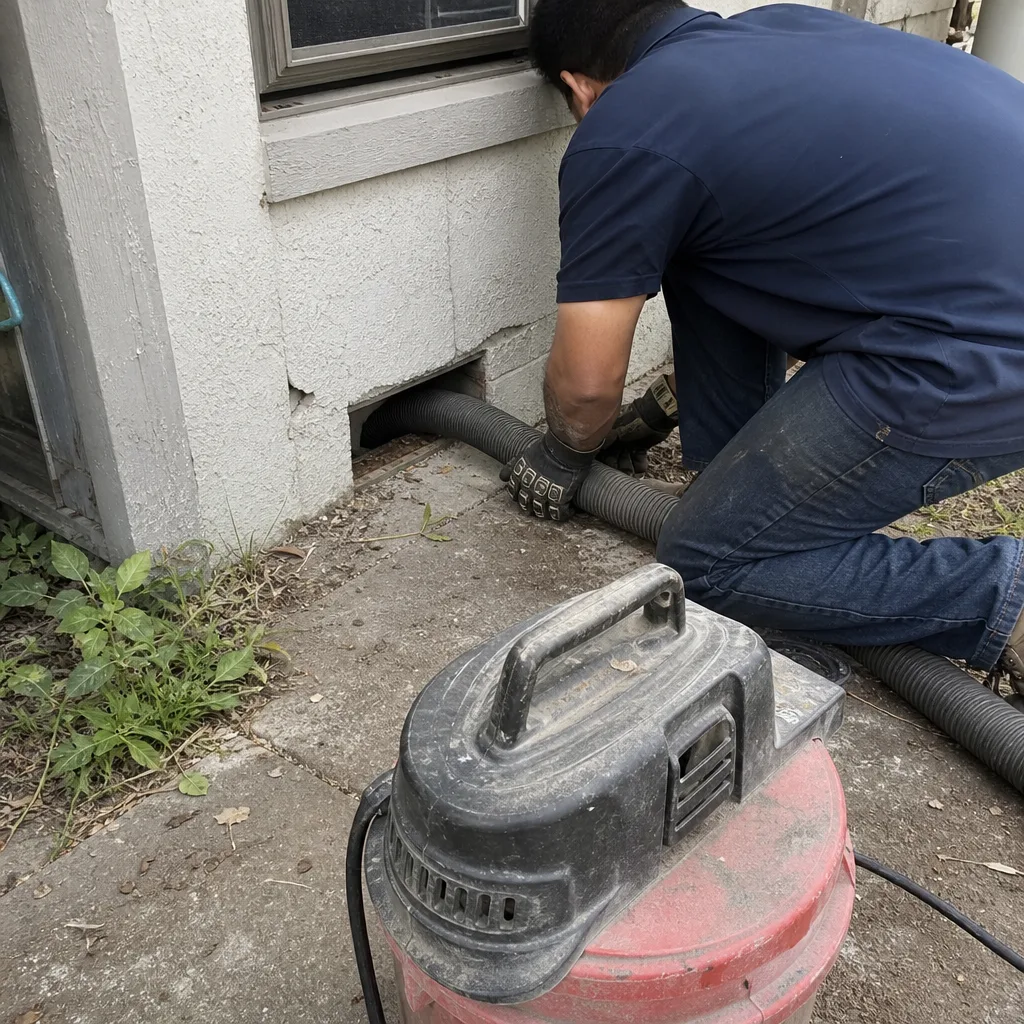 Before
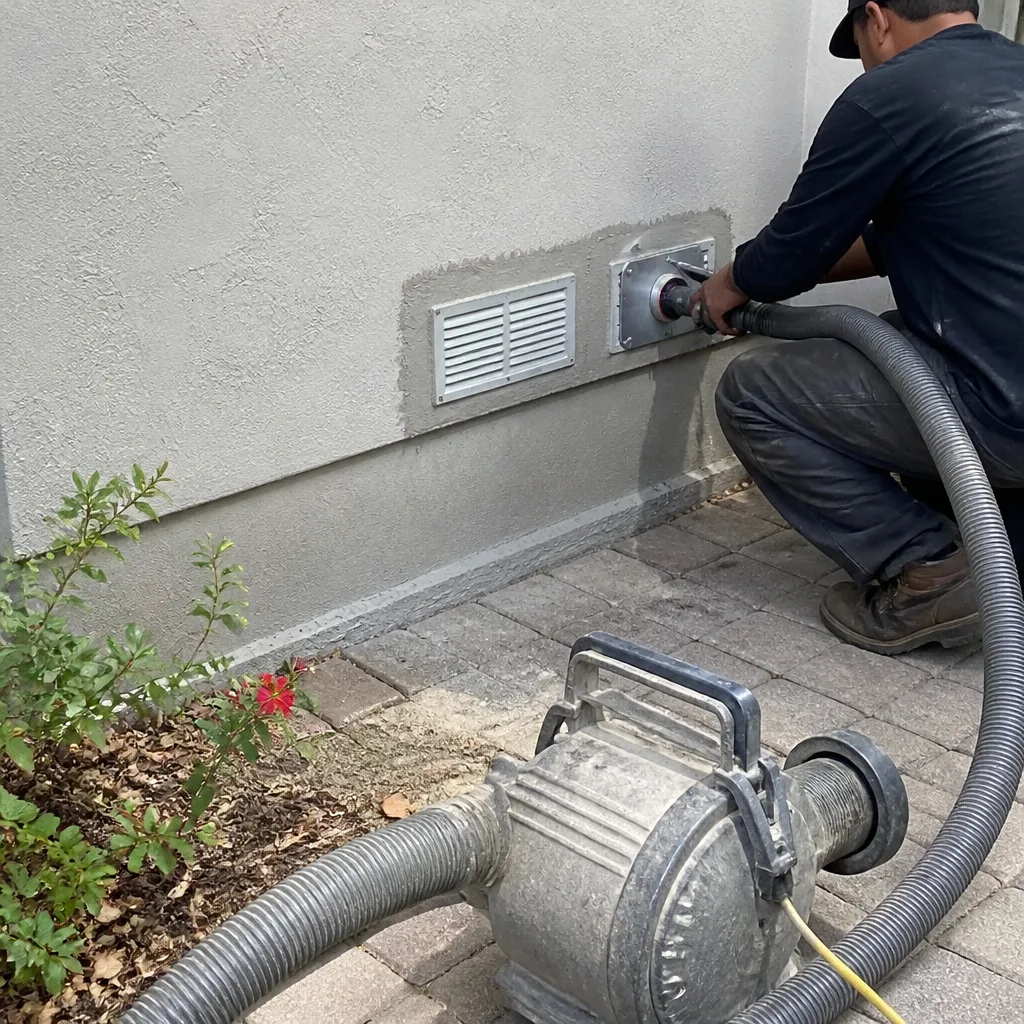 After
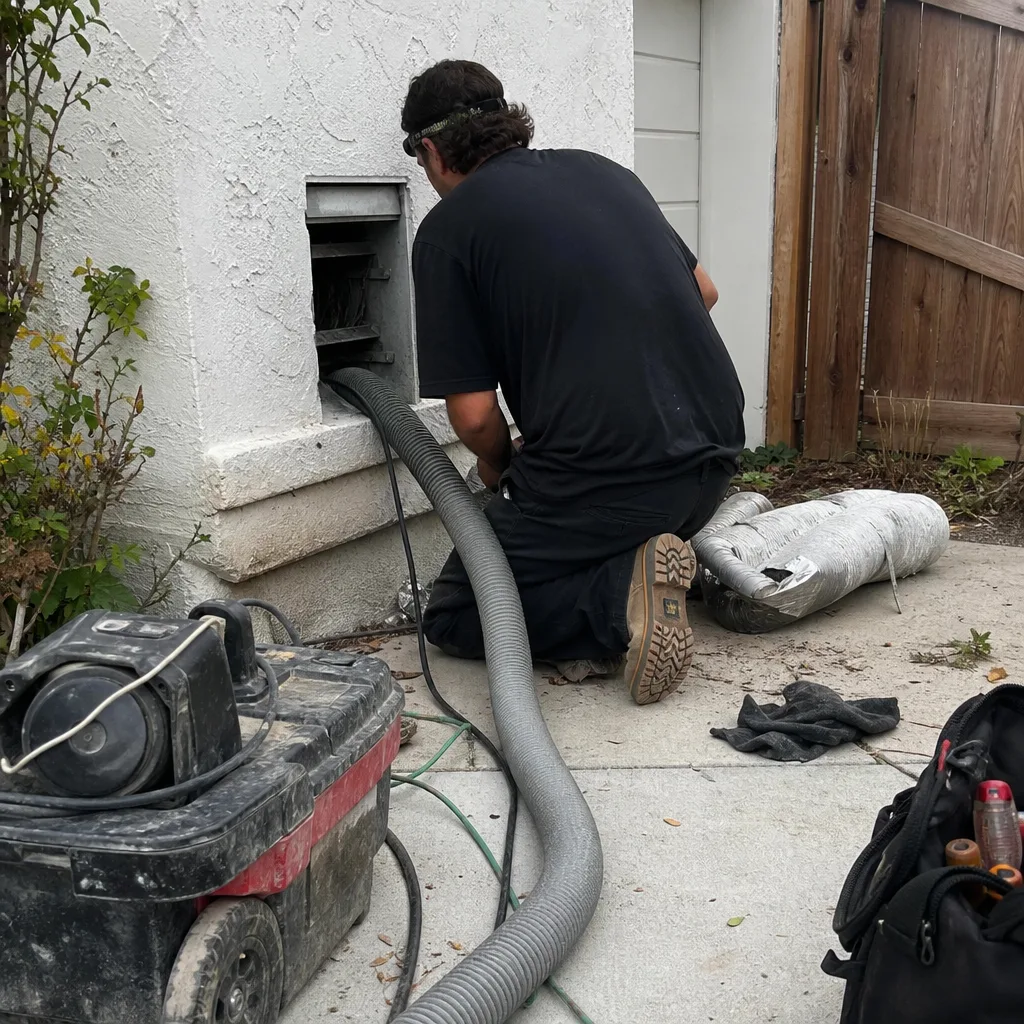 Before
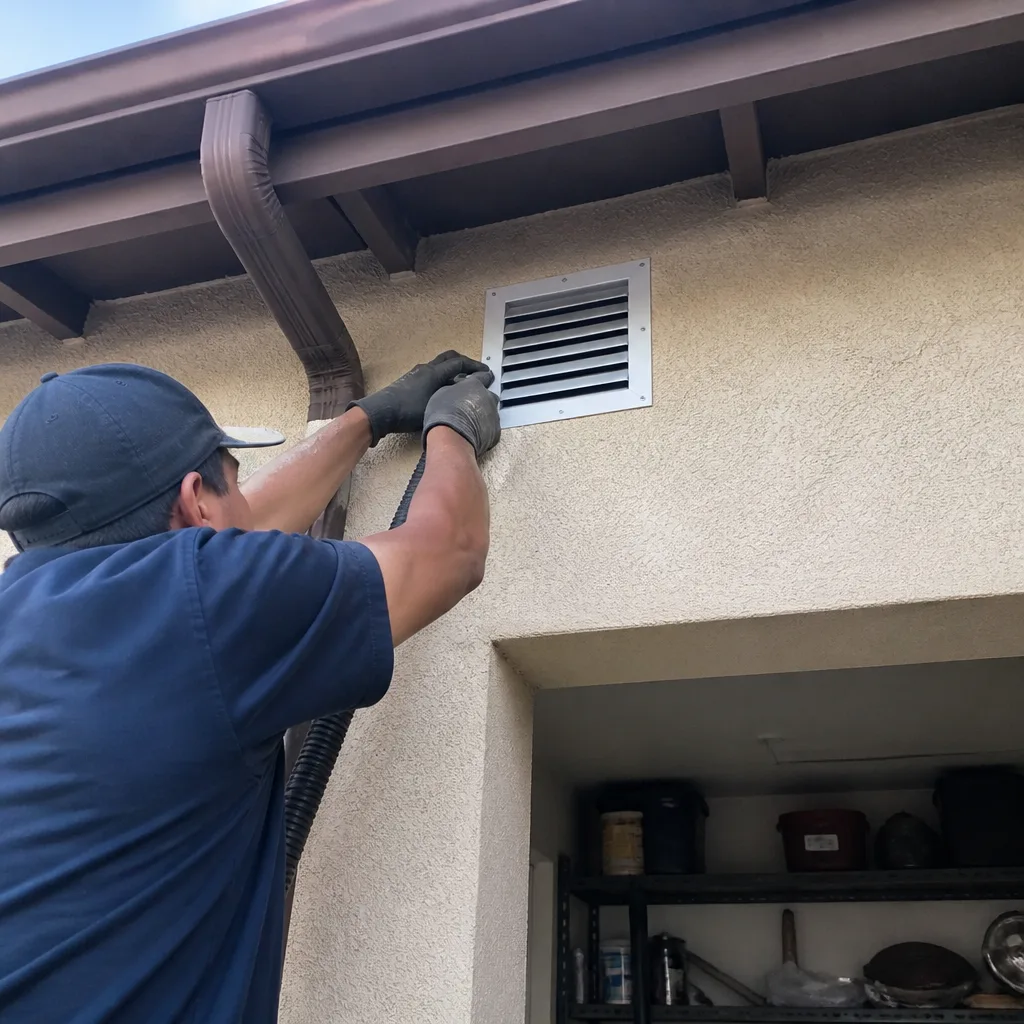 After
When to Call a Professional
Call a duct cleaning professional when you observe visible contamination in return ductwork after any smoke event, when occupants experience persistent respiratory symptoms that improve away from home, or when your filter shows heavy loading after less than 30 days in service during fire season. Same for homes where the HVAC system ran continuously during a multi-day smoke event regardless of what the filter looks like now. Those are conditions where the assessment and remediation benefit from professional equipment and trained eyes. For more guides & resources, visit our blog. Fairway Air Duct Cleaning offers free estimates in Pacific Beach, call (866) 241-3526.
Frequently Asked Questions
Remove a return grille and shine a flashlight into the return box and visible ductwork. If you see dark sooty coating, visible dust streaking, or debris accumulation that was not there before the event, smoke particulate entered your ducts. A filter that turned dark or gray during the event window is also a strong indicator that your ducts saw exposure, since the same air carrying that particulate passed through the filter before reaching the rest of the system.
For Pacific Beach homes that maintained a fresh MERV 13 filter through the event and show no visible contamination in the return ductwork, a filter change is often sufficient. For homes with older systems, salt-residue coated ducts, or visible soot in the return, professional cleaning is the only way to remove deposited particulate that will otherwise keep recirculating. The assessment comes down to what you observe, not a universal rule.
Annually, and we recommend doing it in spring before fire season starts. Pacific Beach homes deal with salt air, Santa Ana particulate, and periodic wildfire smoke in combination, which produces faster accumulation than inland systems. An annual inspection catches problems before an emergency forces you to deal with them reactively.
A MERV 13 media filter is the right choice for fire season, provided your system can accommodate it without airflow restriction. Aprilaire makes MERV 13 media filters designed to handle high particulate loads without collapsing. If your filter slot is too narrow for MERV 13 media, have it modified before fire season. A MERV 8 filter is not protective enough for smoke particulate in the PM2.5 range.
Coverage depends on your policy, the event, and your documentation. Policies vary on whether smoke remediation is a covered peril and what remediation scope falls within the claim. What matters most is that you maintain good records: filter purchase receipts, installation dates, pre-event photos, and professional inspection reports after the event. Documentation quality often determines claim outcomes.
Within two to four weeks for most cases. This allows deposited particulate to settle and gives you time to observe whether odors or respiratory symptoms persist. For homes where occupants have asthma, COPD, or other respiratory conditions, schedule inspection sooner. If you are filing an insurance claim, schedule inspection before disturbing the system so the adjuster can see documented conditions.
The Bottom Line
Pacific Beach homes face a specific set of ductwork risks during wildfire and Santa Ana events that inland homes do not. Salt-coated duct interiors, older housing stock with leaky distribution systems, and our position in the smoke path from fires across the region mean preparation matters more here than almost anywhere else in San Diego County. Set your system to recirculate before smoke arrives, run a MERV 13 filter year-round, keep documentation of filter changes and system conditions, and schedule professional inspection when visible contamination or persistent symptoms tell you the ducts are holding particulate. A clean duct system starts with the right tools and ends with proof, and the proof comes from a system you prepared in advance, not one you addressed after the damage was done.
Written by the team at Fairway Air Duct Cleaning, serving Pacific Beach since 2014.