
Last updated November 2, 2026
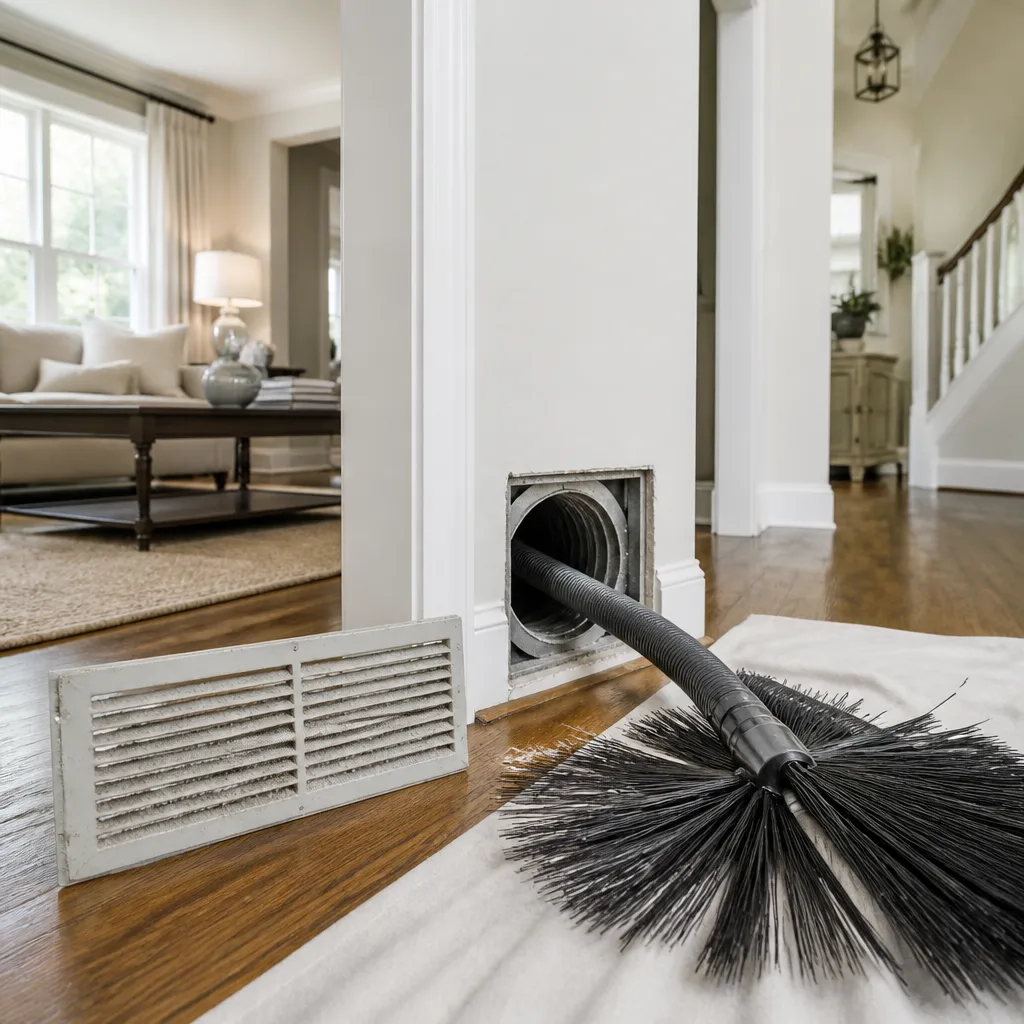 Whole-home duct cleaning
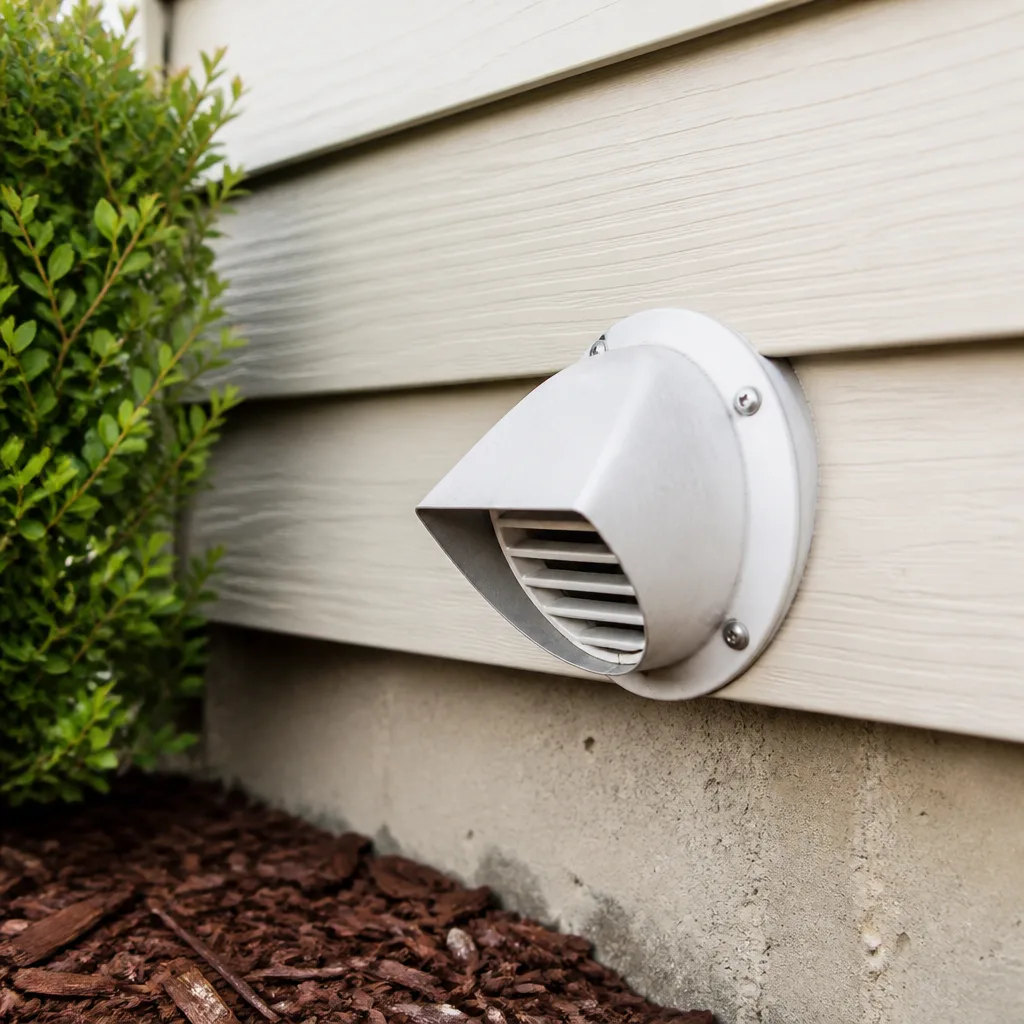 Dryer vent cleaning
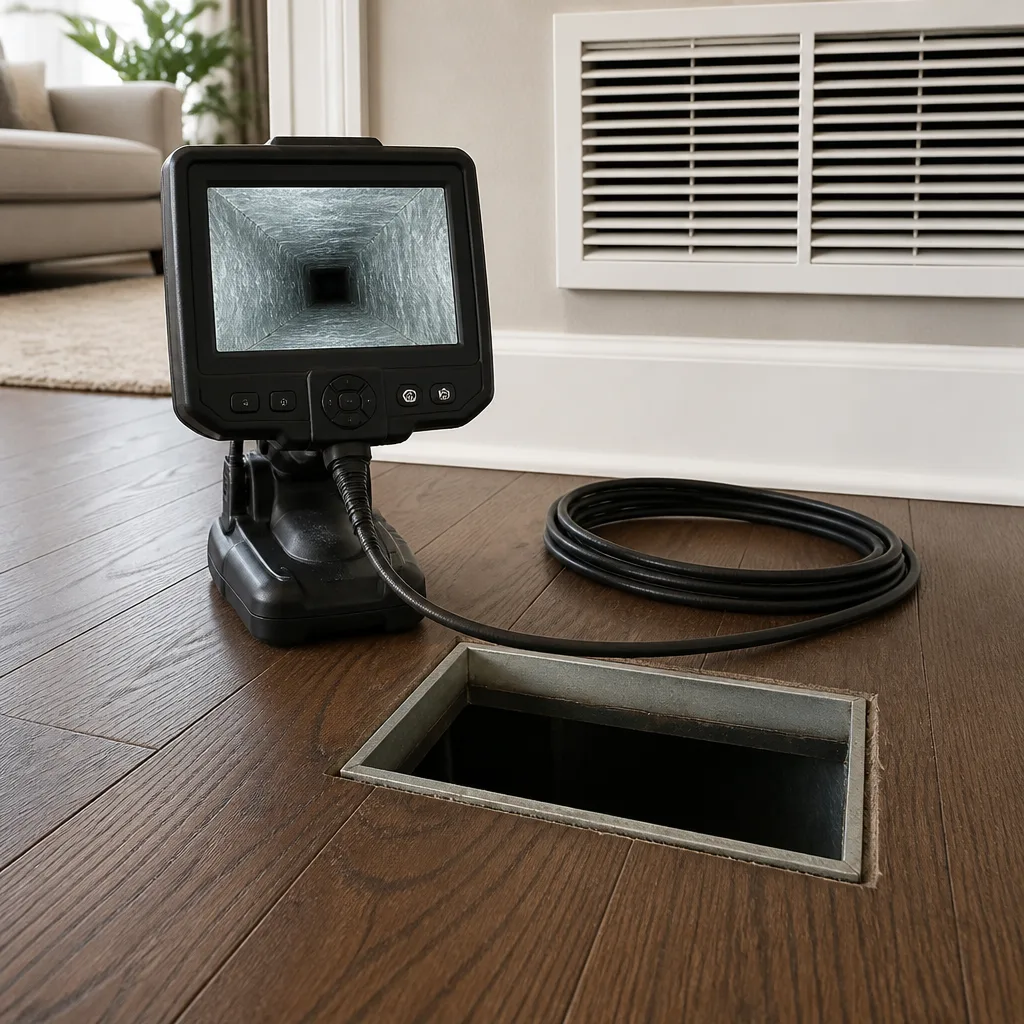 Camera inspection
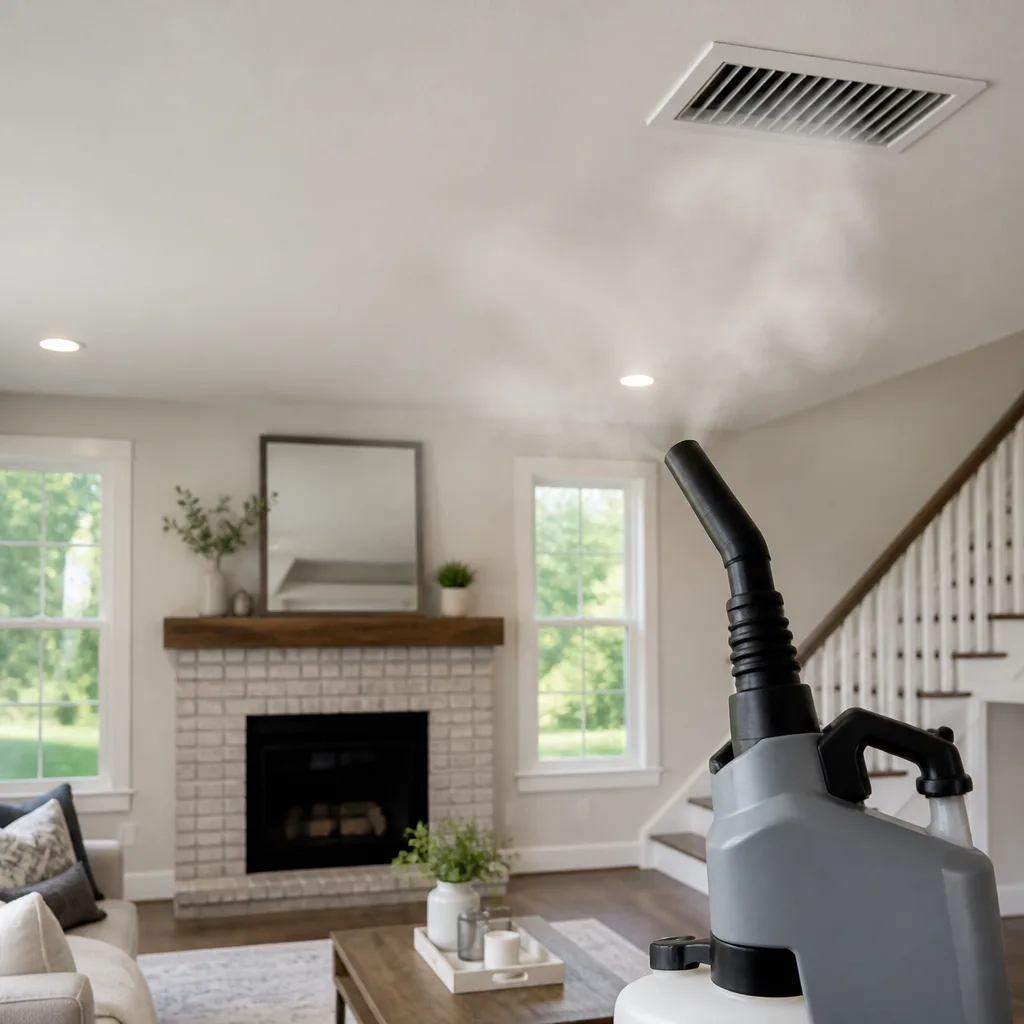 Sanitizing & deodorizing
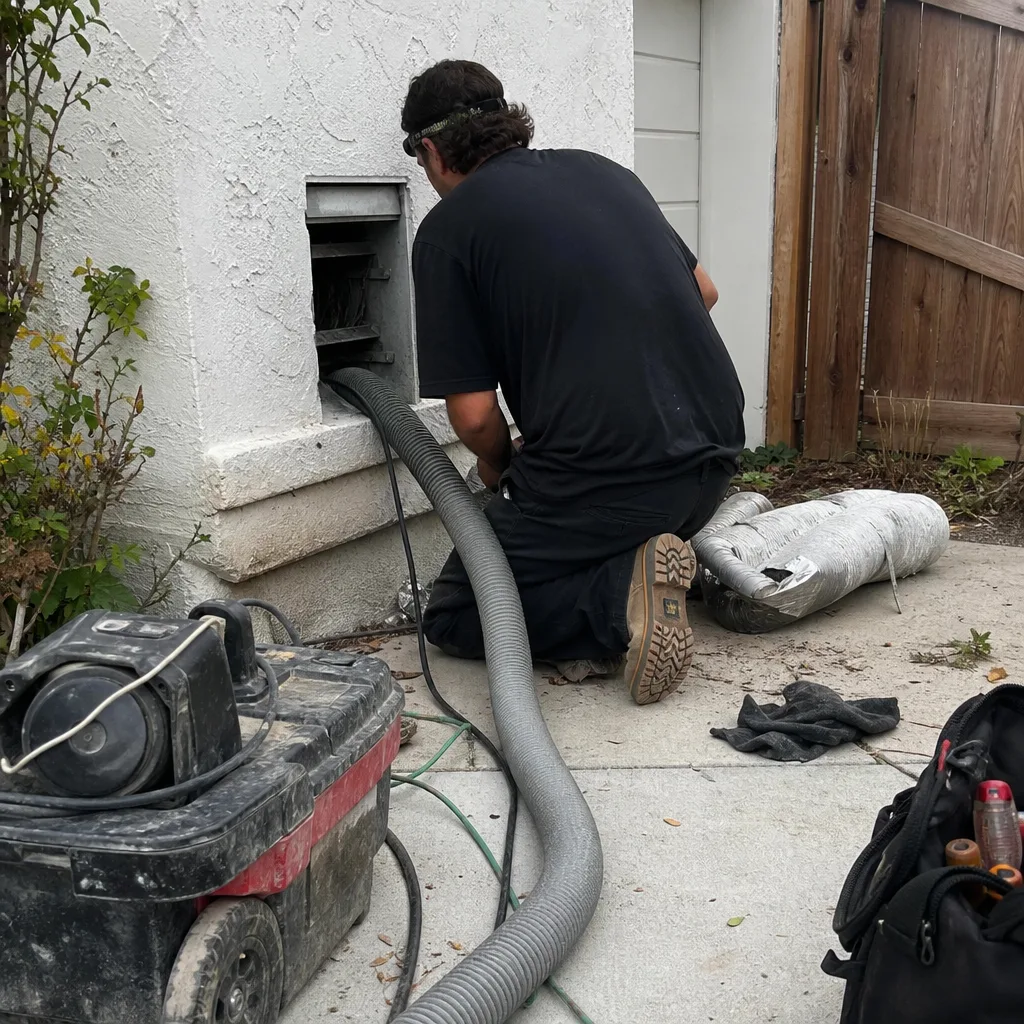
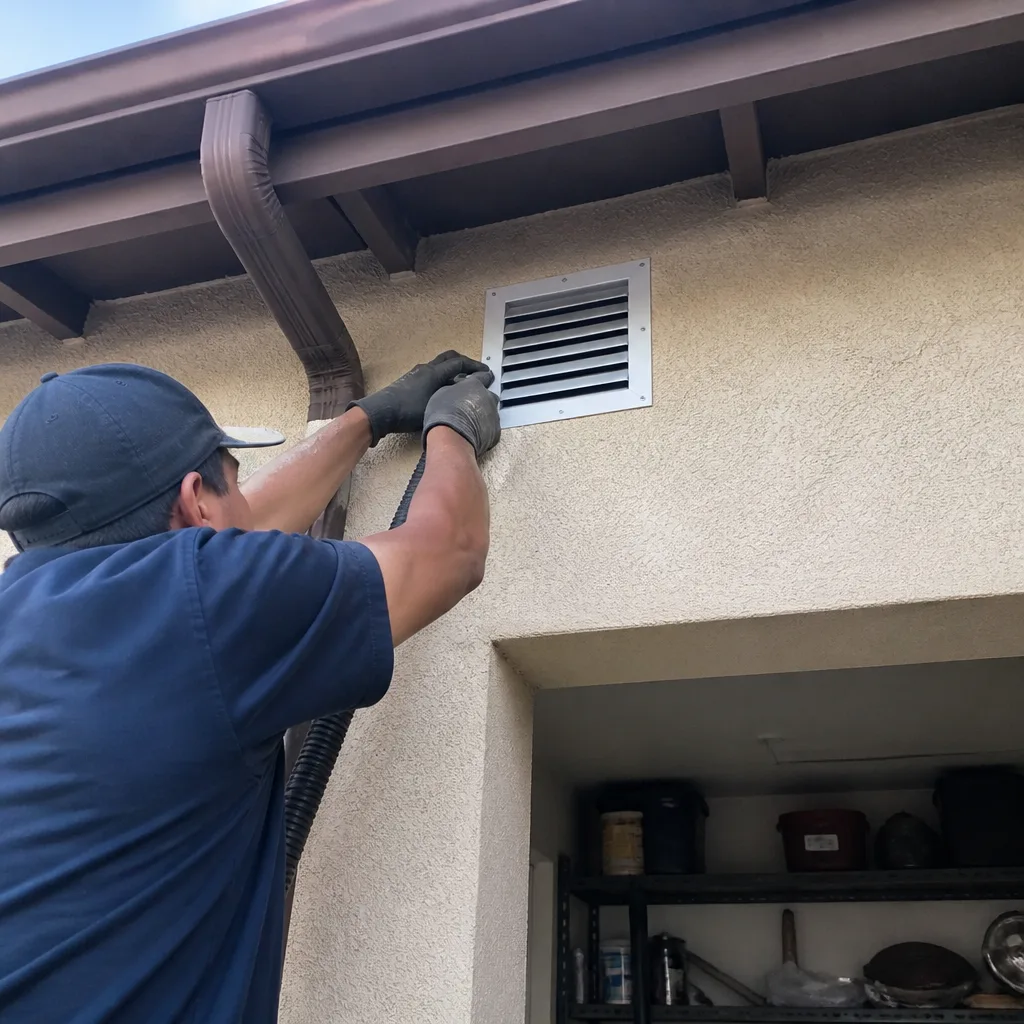
Whole-system duct and dryer vent check with before-and-after photos - you see exactly what came out of your vents
That "$99 whole-house special" is a bait ad - the real number appears once they are in your hallway, or the "clean" is a shop-vac at the register. We photograph the inside of your ducts before and after instead.
Air Duct Cleaning Maintenance Checklist for Pacific Beach Homeowners
Most duct maintenance checklists read like they were written by a marketing department: change your filter, call a professional, repeat. This one is different. It’s organized the way a technician actually inspects a system before quoting a job, so you can audit your own ductwork before anyone else steps foot in your Pacific Beach home. By the end, you’ll know what to look at monthly, what to log quarterly, what coastal conditions do to ductwork that inland homes never deal with, and what each finding actually means for your next step.
Styles & brands we work with
- Whole-home duct cleaning
- Dryer vent cleaning
- Camera inspection
- Sanitizing & deodorizing
Quick Answer
An effective Air Duct Cleaning maintenance checklist for Pacific Beach homes includes monthly filter and register checks, quarterly airflow and odor logging, semi-annual visual inspections of accessible ductwork and boots, and an annual professional assessment that accounts for salt air, marine-layer moisture, and the fine dust that coastal San Diego homes accumulate faster than inland properties. Document your findings over time: trends matter more than any single observation. If you see moisture staining, hear airflow changes, or notice dust returning within weeks of cleaning, that’s a repair signal, not just a cleaning one.
Table of Contents
- Monthly Tasks You Can Do Yourself
- Quarterly Indicators to Log
- Why Pacific Beach Ductwork Ages Differently
- Semi-Annual Visual Inspection Walkthrough
- What Your Findings Mean: A Decision Tree
- How to Document Findings Over Time
- Common Mistakes to Avoid
- When to Call a Professional
- Frequently Asked Questions
- The Bottom Line
Monthly Tasks You Can Do Yourself
These take under fifteen minutes combined. They’re not busywork. Each one is a data point that tells you whether your duct system is functioning or quietly degrading. In Pacific Beach, where ocean air pushes fine particulate through homes year-round, skipping these means catching problems months after they started.
- Check the filter. Hold it up to a light source. If you can’t see light through the media, it’s loaded. Coastal homes in Pacific Beach often need filter changes every 30 to 45 days during summer months when windows open and salt-laden air circulates, compared to 60 to 90 days inland. Write the install date on the filter frame with a permanent marker so you’re never guessing.
- Inspect each supply register. Remove the register cover and look inside. You’re checking for three things: dust crusting on the register vanes, visible debris sitting in the first few inches of the duct run, and any moisture staining on the metal or drywall surrounding the opening. Staining near a register in a coastal home often signals condensation forming inside the duct during marine-layer mornings.
- Check return air grilles. Returns pull harder than supplies push, so they collect dust faster. Vacuum the grille face with a brush attachment. If the grille looks clean but you still hear a hollow whistle when the system runs, the restriction may be inside the return duct, not at the face.
- Look at all visible duct boots. The boot is the sheet-metal transition between the duct and the register. In Pacific Beach homes, boots in rooms with exterior walls are prone to surface rust from humid air meeting cooled metal. Surface rust is cosmetic. Flaking rust or pinholes are structural and mean replacement, not cleaning.
- Do a ten-second visual scan of each room’s ceiling near registers. Ghosting, those gray smudge marks on paint near supply vents, tells you conditioned air is exiting the register and depositing entrained dust onto the ceiling surface. It’s one of the earliest visible indicators that dust is actively circulating through your system, not settling inside it.
None of these steps require opening ductwork or touching anything dangerous. They’re observation tasks. What they require is consistency. A single filter check in July tells you nothing. Six of them, logged, reveal the rate at which your system loads up, and that rate is what determines whether a cleaning is due or overdue.
Quarterly Indicators to Log
Quarterly logging turns random observations into a trend line. Four times a year (the equinoxes and solstices work well as memory anchors), record these five things in a notes app, a spreadsheet, or a notebook taped inside the HVAC closet door. Use the same phrasing each time so you can compare entries later.
- Airflow consistency room-to-room. Walk each room with the system running. Hold a piece of tissue paper near each supply register. It should flutter. Note anywhere it hangs limp or moves noticeably less than other registers. Pacific Beach homes with older duct systems often develop airflow imbalance as flex duct sags or steel duct joints separate, particularly in crawlspaces that see seasonal moisture swings.
- Unusual odors tied to HVAC cycling. The key word is “tied to.” A musty smell that appears only when the blower kicks on and fades when it shuts off is a duct-related signal. Damp earth or mildew notes in Pacific Beach systems often trace to condensation pooling in low spots of flex duct or moisture wicking into duct insulation during coastal fog events.
- Visible dust reappearance timelines. After a thorough cleaning, how many weeks pass before you see a visible dust film on dark furniture or electronics near supply registers? If it’s under three weeks, the system is actively distributing contamination, not merely holding it. Logging this quarterly shows you when the rate shifts.
- Pest activity indicators. Pacific Beach homes, especially those near canyons or the boardwalk, see rodent and pest pressure that inland communities don’t. Check registers for droppings, nesting material, or chew marks on flexible duct boots. Rodents love the temperature-stable environment of ducts.
- HVAC runtime changes. If your system runs longer to hit the same setpoint, airflow restriction anywhere in the system (filter, coil, ducts, returns) is a prime suspect. Note approximate daily runtime. It’s an indirect but honest measurement of system strain.
The value of quarterly logging isn’t any single entry. It’s the pattern that emerges after three or four cycles. A slow decline in airflow at one particular register, noted over nine months, tells you that a specific duct run is degrading. That’s actionable. A one-off observation isn’t.
Why Pacific Beach Ductwork Ages Differently
Ductwork in Pacific Beach doesn’t fail the same way ductwork in El Cajon or Poway fails. The marine layer, persistent salt air, and moderate-but-constant humidity create a specific set of conditions that inland HVAC technicians rarely see. If you’ve read generic duct-maintenance guidance and it didn’t quite match what you’re seeing in your home, this is why.
Salt residue is real and it’s cumulative. Pacific Beach sits directly in the sea-spray zone. Salt aerosol travels inland on prevailing westerly winds and gets drawn into homes through open windows, door gaps, and the HVAC system itself. Once inside ductwork, salt residue acts as a desiccant, pulling moisture from the air and holding it against metal surfaces. That accelerates corrosion on steel duct components, particularly boots, dampers, and the exposed ends of flex duct connectors.
Marine-layer humidity cycles create condensation inside ducts. Pacific Beach mornings often start foggy and damp, then warm into the 70s. When cool, humid air moves through a duct system that’s still holding the previous day’s conditioned air temperature, condensation forms on the interior duct walls. This happens most often in crawlspace-mounted duct runs where ambient moisture is already high. Over time, that moisture supports microbial growth inside insulation-wrapped flex duct.
Fine coastal dust matters more than volume of dust. The airborne particulate in Pacific Beach is finer and denser than what inland homes experience. It’s a mix of very fine beach sand, sea salt, and urban particulates from Mission Boulevard traffic. This fine material passes through coarse filters easily and packs into the pores of duct insulation and the fins of evaporator coils. It doesn’t create dramatic dust bunnies; it creates a consistent, resurfacing film that homeowners often mistake for “normal San Diego dust.”
What this means for your checklist: In Pacific Beach, annual professional duct assessments should be treated as standard maintenance, not as optional extra. A system that coasts for three years in a dry inland climate has already developed real problems after three years of salt and marine moisture here. If your home is within a half-mile of the ocean, shorten that professional interval to every 12 months without exception.
Semi-Annual Visual Inspection Walkthrough
Twice a year, spring and fall, do a more thorough walkthrough than the monthly quick checks. This takes about 30 minutes. You’re not disassembling anything. You’re looking at accessible duct components and the HVAC equipment that connects to them.
Step 1: Inspect all visible ductwork in the garage, attic, or crawlspace. If your Pacific Beach home has exposed duct runs in the garage or attic, look for sagging runs, separated joints, crushed sections, and damp or stained insulation. Flex duct should hang with gentle curves, not sharp bends or kinks. Steel duct should sit square at its joints, with foil tape intact and no visible gaps.
Step 2: Examine the plenum connections. The plenum is the large metal box that sits on top of your furnace or air handler. Look for gaps where it meets the equipment, loose or missing screws, and any dark staining that suggests air leakage. Air escaping the plenum before it enters the distribution ducts means conditioned air is being thrown into unconditioned space, and the system is working harder to compensate.
Step 3: Open the blower compartment (power OFF at the breaker first) and check the blower wheel. If the blower wheel blades are loaded with dust and debris, the wheel is throwing less air per rotation, which means longer runtimes and worse filtration. Blower wheel loading is one of the strongest indicators that the duct system upstream is overdue for cleaning.
Step 4: Look at the evaporator coil if accessible. In Pacific Beach, the evap coil is where fine coastal particulate and salt residue do their worst work. A coil with visible gray crust or corrosion on the fins is a red flag. A clean coil has shiny fins spaced evenly apart.
Step 5: Re-check every register boot you checked monthly, but with a flashlight. Look deeper into the duct run. What color is the interior duct surface? Dark gray or black staining suggests years of dust accumulation. Greasy or sticky residue suggests kitchen exhaust contamination if the kitchen is served by the same system. White crystalline residue on metal surfaces is salt, not something you can clean away with a household vacuum.
Log everything. Photograph what you can. The photos become your baseline for comparing conditions next season.
What Your Findings Mean: A Decision Tree
Observation without interpretation is just curiosity. Each finding on this checklist falls into one of three action buckets: handle it yourself, call for repair, or schedule a professional cleaning. The distinction matters because calling for a cleaning when you need a repair wastes money, and calling for a repair when you need a cleaning wastes everyone’s time.
Bucket One: DIY Fixes (you can do these today)
- Dirty filter: Replace it. This is always a DIY item.
- Dusty register covers: Remove, wash with soap and water, dry thoroughly, reinstall.
- Loose register screw: Tighten it. Loose registers rattle and leak conditioned air around the edges.
- Obstructed return grille: Move furniture, boxes, or curtains away from returns to restore airflow.
- Light surface dust on visible duct exterior: Wipe it down with a damp cloth.
Bucket Two: Repair Calls (a cleaning won’t fix these)
- Visible moisture staining on duct insulation or interior duct surfaces: You have a condensation or moisture-intrusion problem. Cleaning removes the symptom; it doesn’t stop the source. Call for Air Duct Repair in Pacific Beach to identify and fix the water source first.
- Separated or sagging duct runs: Air is leaking into unconditioned space. In Pacific Beach crawlspaces, that leaked air is humid and salt-laden. This is a repair issue.
- Crushed or kinked flex duct: Airflow restriction caused by physical damage. Repair or replacement is the fix.
- Rodent droppings, nesting material, or chewed duct components: This is a contamination and access issue. Repair what’s damaged, then clean thoroughly.
- Rust pinholes or flaking on metal duct components: Deterioration has reached the failure point. Replacement of the affected components is required.
Bucket Three: Cleaning Calls (the system is dirty, not damaged)
- Consistent dust film reappearing within weeks of cleaning surfaces: The system is actively distributing dust. Schedule Air Duct Cleaning in Pacific Beach.
- Gray or black dust visible inside ducts when you shine a flashlight beyond the register: Accumulation has reached an interior surface level that warrants professional extraction.
- Filter loading faster than 30 days despite no construction or unusual activity: The system is pulling contamination from somewhere, and the ductwork is the likely reservoir.
- Musty smell that appears only when the HVAC system runs: Microbial growth inside ducts is a professional remediation cleaning situation.
- Dryer takes noticeably longer to dry clothes than it did a year ago: This is the classic restricted-vent symptom. Call for Dryer Vent Cleaning in Pacific Beach.
When in doubt, call for an assessment rather than a service. A specialist who inspects first and recommends a specific service based on findings is worth more than a company that quotes a cleaning sight-unseen.
How to Document Findings Over Time
Trends beat snapshots. The homeowner who logs six months of observations knows more about their duct system than a technician who sees it for twenty minutes. Setting up a simple documentation system is the highest-leverage thing in this entire guide.
Here’s a system that takes five minutes per entry and produces genuinely useful data after just two cycles.
- Create a single document or spreadsheet. Columns: Date, Filter Status, Registers Checked, Odors Noted, Dust Timeline, Airflow Notes, Action Taken. One row per inspection, whether monthly or quarterly.
- Use consistent language. “Register in master bedroom shows light dust” is fine. “Master bedroom register slightly dusty but not crusty” is also fine. Pick one phrasing style and stick with it. Inconsistent descriptions can’t be compared.
- Photograph the same angles each inspection. Wide shot of the filter held to light. Close-up of one representative register interior. Shot of the most accessible duct run in the garage or closet. Photos from the same angle over months tell you more than notes alone.
- Note the outdoor conditions at inspection time. “Checked July 14, foggy marine layer morning, high humidity” matters in Pacific Beach because coastal conditions directly affect what you’re seeing inside the ductwork. A condensation stain that appears during a heavy fog week and disappears later is different from a stain that persists year-round.
- Record filter install dates on the physical filter and in your log. Both systems. The filter frame date is for anyone standing at the equipment; the log is for your six-month review.
- Review quarterly for trends. Look for changes in airflow at specific registers, changes in dust reappearance rate, new odors, or any finding that moved from one bucket to another in the decision tree above.
This documentation becomes genuinely useful when you eventually call a professional. Handing a technician two years of logged observations gives them a diagnostic head start no walkthrough can match. It also protects you: a contractor who recommends work that doesn’t align with your documented findings will have a hard time explaining why.
Common Mistakes to Avoid
- Changing the filter only when it looks dirty. By the time a filter looks visibly loaded, it has been restricting airflow for weeks. The pressure drop across a loaded filter makes the blower work harder and can pull unfiltered air around the filter edges. Pacific Beach’s fine coastal dust loads filters faster than the recommended change intervals on the packaging.
- Assuming one room’s weak airflow is “just how it’s always been.” Weak airflow is a symptom, not a personality trait of your house. It means restriction, leakage, or undersizing somewhere in that specific duct run. Document it, watch it, and act if it worsens.
- Using the cheapest possible fibreglass filters and assuming that’s “good enough.” Cheap filters catch large particles and let fine matter through. In Pacific Beach, that fine matter includes salt aerosol and very fine beach sand that accumulate on coils and inside ducts. A mid-grade pleated filter is a meaningful upgrade.
- Closing registers in unused rooms to “save energy.” Closing registers raises static pressure in the duct system, which can force air through leaks at joints and seams. It also changes the airflow balance across the entire system. If you need to zone your home, do it with proper dampers, not by closing register louvers.
- Treating musty odor with air fresheners or scented filters. Masking a biological smell doesn’t eliminate the microbial growth causing it. In Pacific Beach’s humid marine environment, musty HVAC odors are a moisture signal. Address the moisture and the growth, not the smell.
- Waiting until there’s a problem to schedule professional attention. Preventive cleaning is cheaper than restorative cleaning. A system that’s professionally maintained annually in a coastal environment rarely needs the deep-remediation work that a neglected system does. The cost difference is substantial.
- Hiring a duct cleaner who quotes without inspecting. If a company gives you a firm price over the phone without asking about your system’s age, configuration, access points, or condition, they’re pricing a guess. A real specialist asks questions before quoting. Fairway Air Duct Cleaning home pricing always follows an actual assessment, not a scripted phone estimate.
When to Call a Professional
Some findings on this checklist are informational. Some are action items you can handle. And some genuinely require a specialist with professional equipment. Here’s how to tell the difference.
Call a professional when you see moisture staining that persists beyond a single fog event, when airflow at a specific register declines noticeably over two consecutive logging periods, when dust returns to surfaces within three weeks of a thorough cleaning, when you find rodent activity inside ducts, or when the system develops an odor that appears only during HVAC operation. These are not cleaning-optional situations. They are diagnostic calls.
Professional duct cleaning in Pacific Beach should involve inspection first, honest findings second, and cleaning third. The right equipment matters: professional-grade systems like Nikro and Rotobrush units used by certified specialists extract what household vacuums and shop equipment can’t reach. Fairway Air Duct Cleaning offers free estimates in Pacific Beach. Call (866) 241-3526 to schedule an assessment, and bring your maintenance log to the appointment.
Frequently Asked Questions
For homes within a half-mile of the ocean, professional cleaning every 2 to 3 years is a reasonable baseline, with annual assessments recommended. Homes further inland in Pacific Beach, or homes without pets, recent construction, or respiratory sensitivities, can often extend that to 3 to 5 years. The rate at which your filters load and dust reappears on surfaces is a better guide than a calendar.
Air duct cleaning in Pacific Beach typically runs between $450 and $900 for a standard single-system home, depending on the number of vents, system complexity, and accessibility. Homes with crawlspace ducts, multiple systems, or significant contamination can run higher. Beware of quotes under $300: they’re usually bait for upsells or they skip major components. Call (866) 241-3526 for a free estimate based on your actual system.
Cheap duct cleaning quotes are almost always built around a low-touch process: a single technician with a portable vacuum, rushed register-by-register work, and no containment. Professional cleaning uses truck-mounted or high-powered portable negative-air systems (like Nikro and Rotobrush equipment), takes 3 to 6 hours for a full system, and includes encapsulation of access points. The price difference reflects equipment and process, not markup.
Ask for before-and-after photos of the duct interior at representative points: the trunk line, a remote branch, and the return plenum. Request a visual inspection with the technician after the work completes. A specialist who cleaned properly will happily walk you through what was removed and show you the containment bags. A contractor who won’t show you the work didn’t do the work. Call us at (866) 241-3526 and we’ll show you the before-and-after, because proof is part of the service.
Yes. Salt aerosol, marine-layer humidity, and fine beach sand create conditions that inland duct systems don’t face. Salt accelerates corrosion on steel components, humidity supports condensation inside ducts, and fine particulates pack into insulation and coils. Homes within a half-mile of the Pacific coastline should treat annual duct assessment as standard maintenance.
You can vacuum the visible interior of register boots and the first few inches of accessible duct runs, but that’s not duct cleaning. A shop vacuum lacks the negative-air pressure, agitation, and containment that professional Nikro or Rotobrush systems provide, and without proper access and sealing, you’ll stir up contamination rather than remove it. The deeper portions of your duct system are simply not reachable with consumer equipment.
The Bottom Line
A useful maintenance checklist is an inspection framework, not a to-do list you hand off. For Pacific Beach homeowners, that framework needs to account for what coastal air actually does to ductwork: salt residue, marine moisture, fine beach particulate, and faster-than-inland accumulation rates. Log your findings monthly and quarterly, inspect accessible components twice a year, make repair-vs-clean decisions using the three-bucket framework, and call a specialist when observations point to restriction, contamination, or damage. Documented trends are the strongest basis for maintenance decisions. The goal isn’t to become your own HVAC technician. It’s to know what you’re looking at before anyone else looks, so every service call you make is a decision, not a guess. For more guides & resources, explore our blog.
Written by the team at Fairway Air Duct Cleaning, serving Pacific Beach since 2014.
See the difference
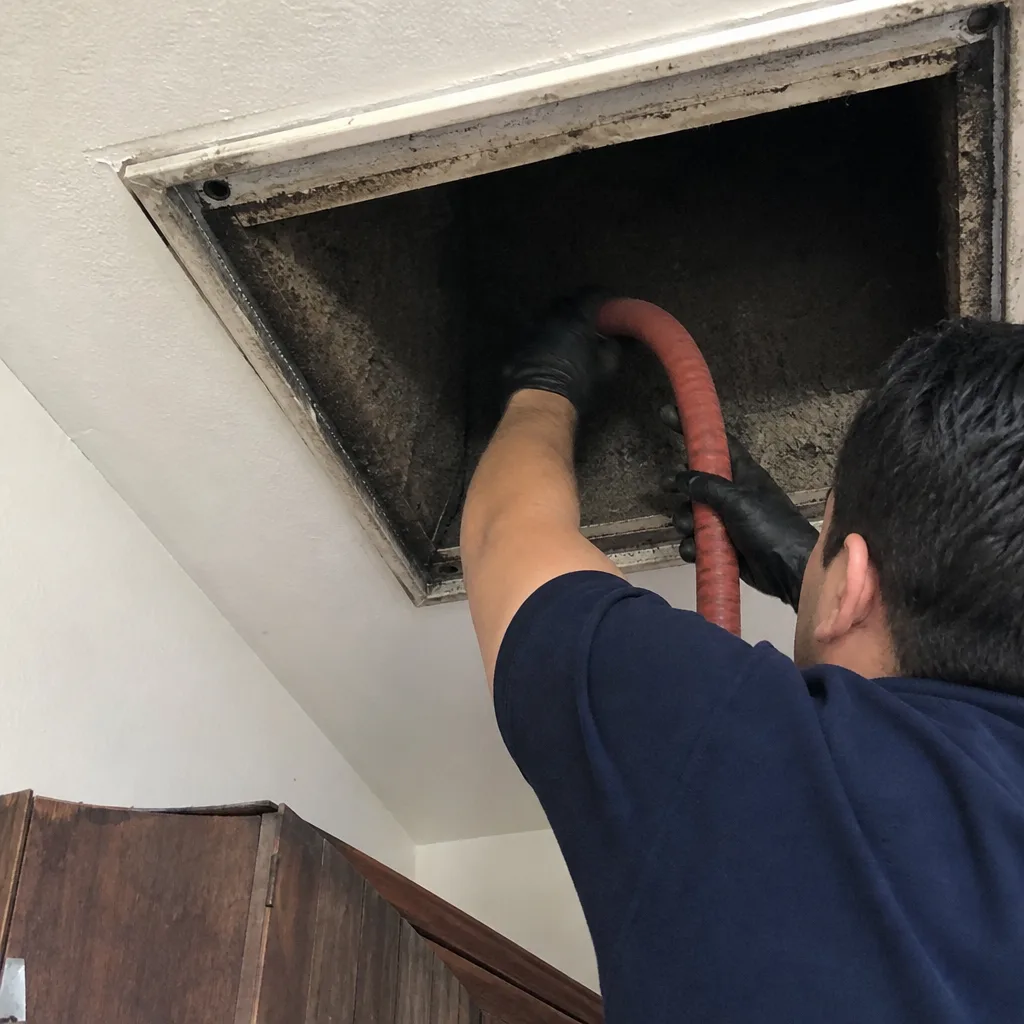 Before
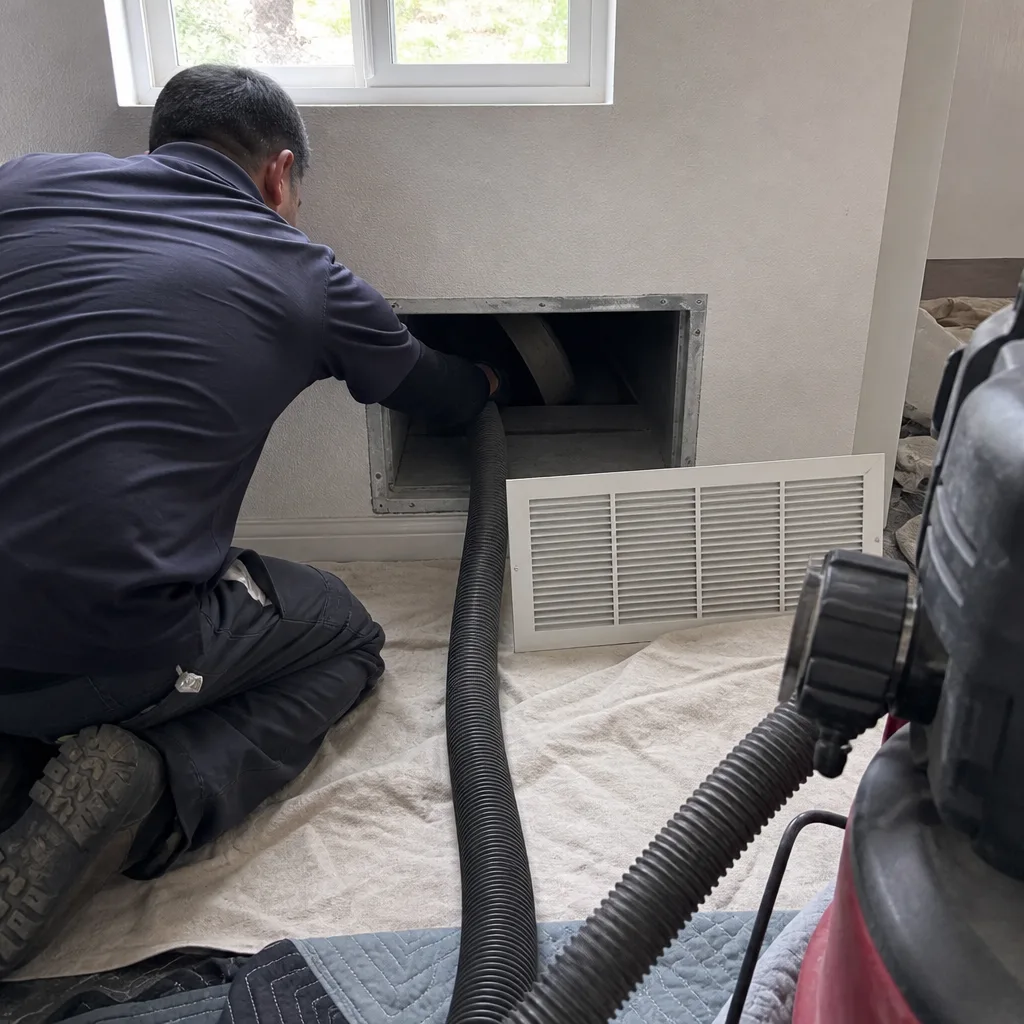 After
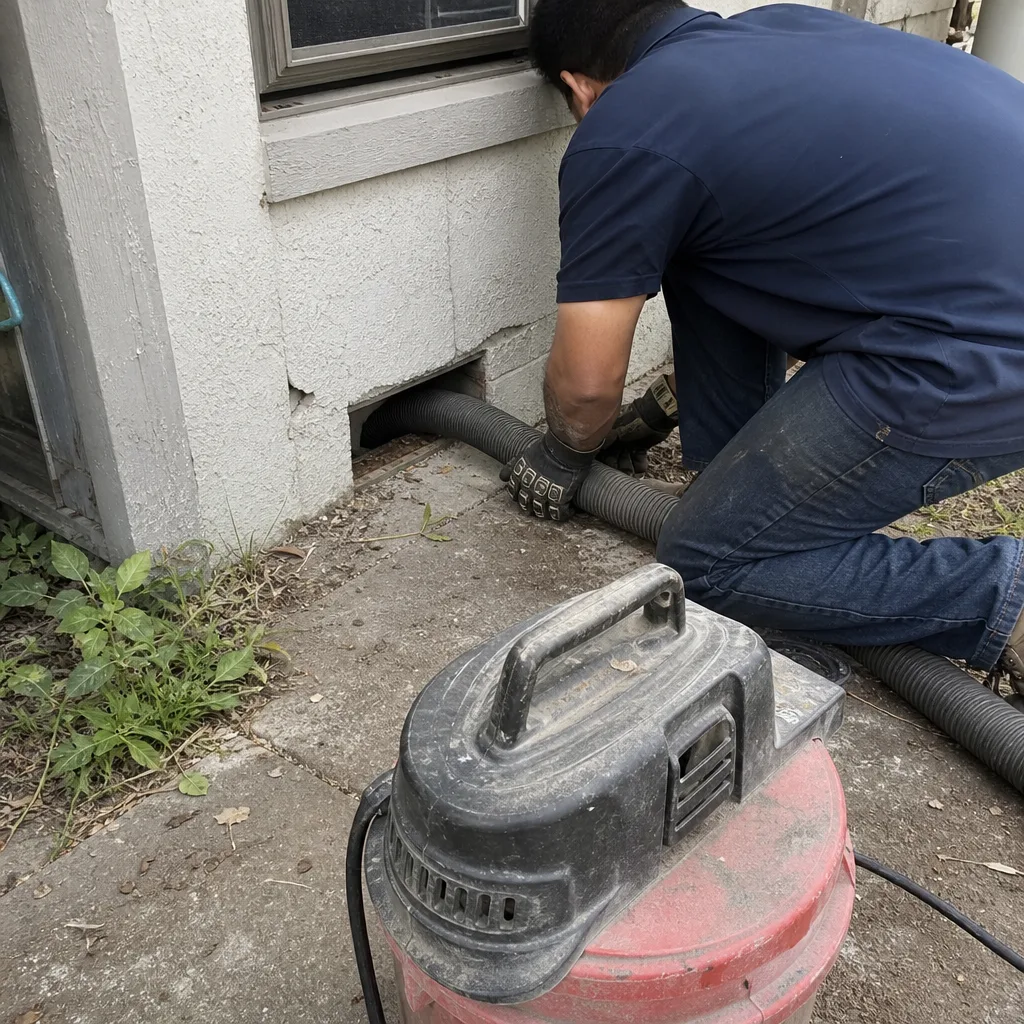 Before
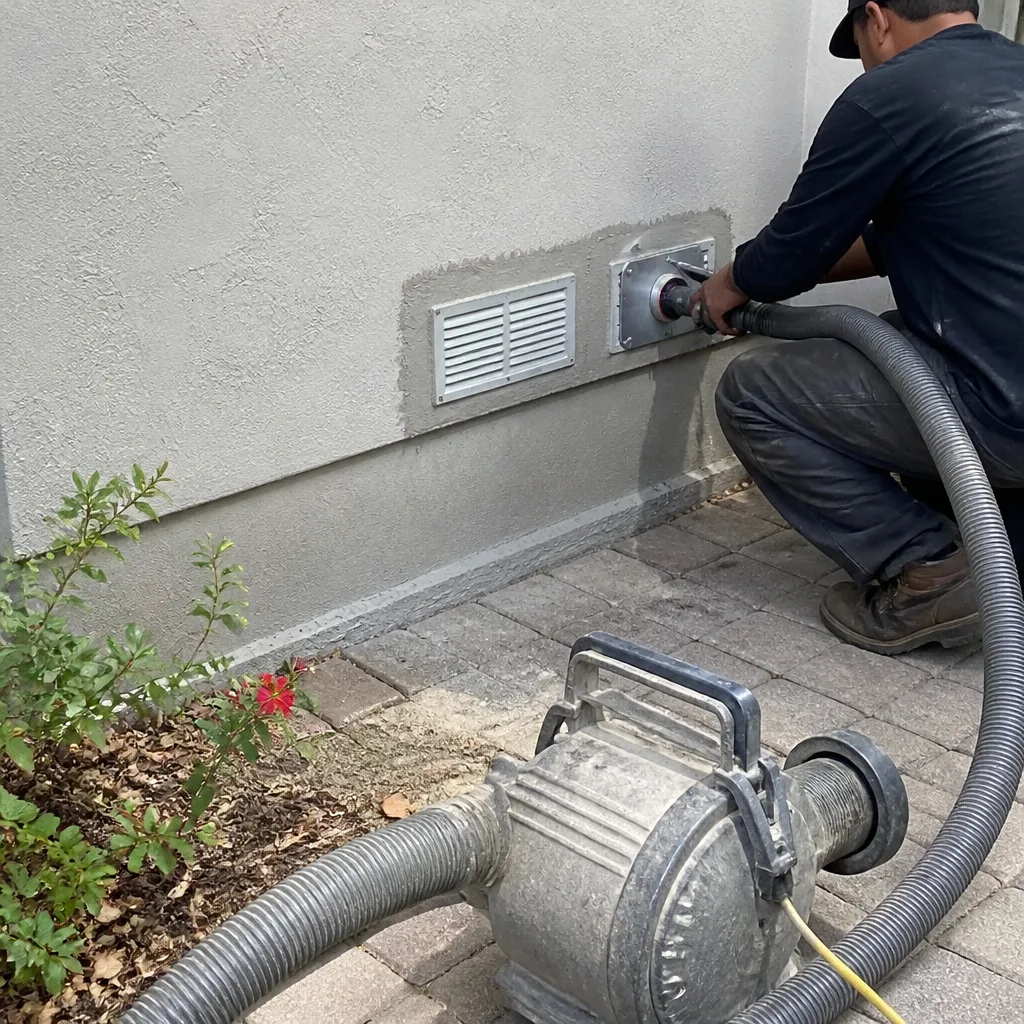 After
 Before
 After