
Last updated November 2, 2026
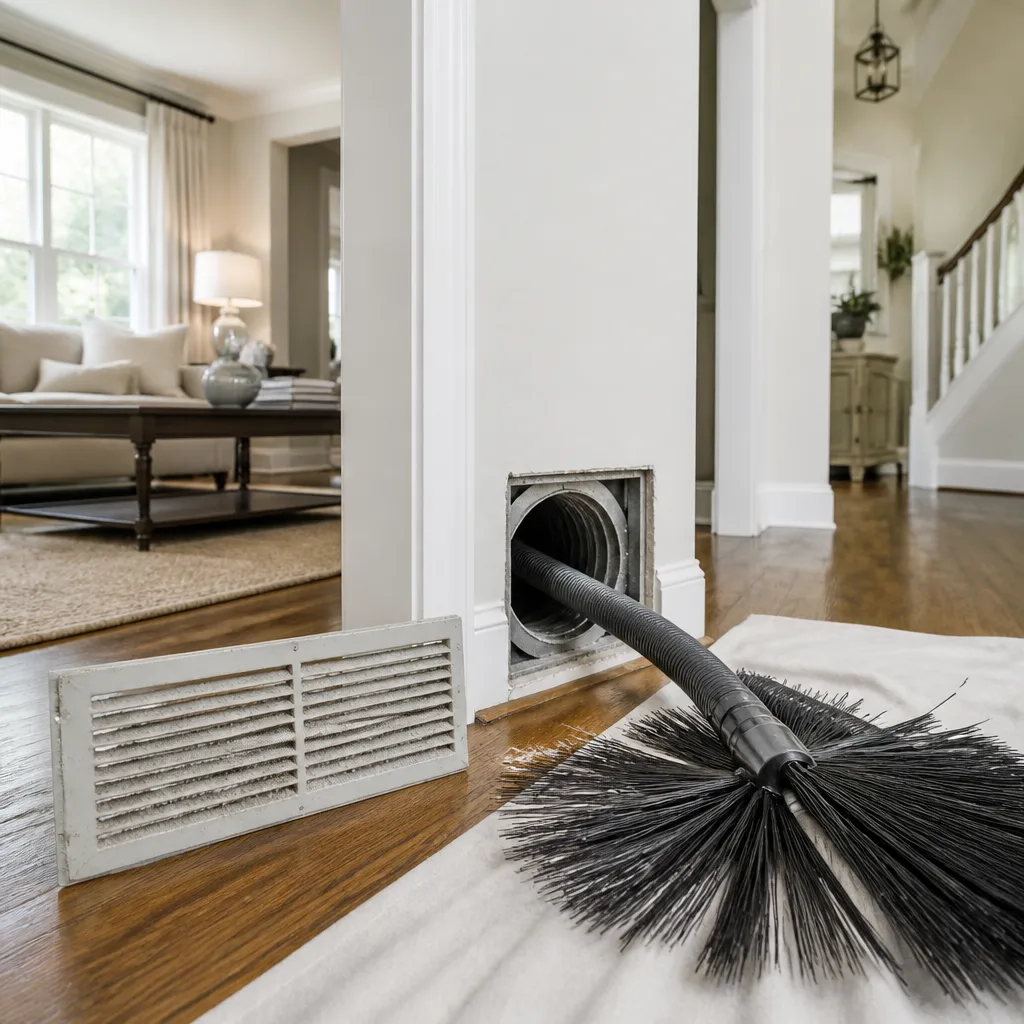 Whole-home duct cleaning
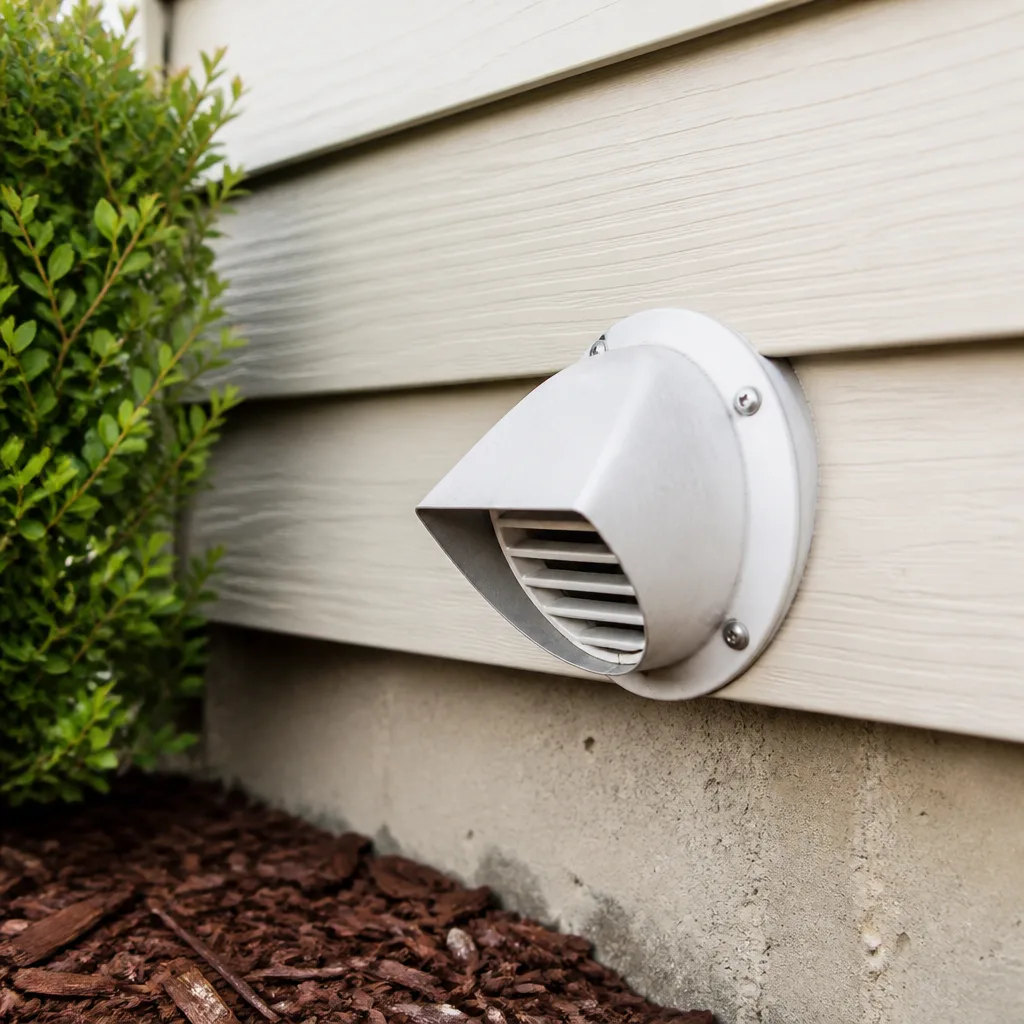 Dryer vent cleaning
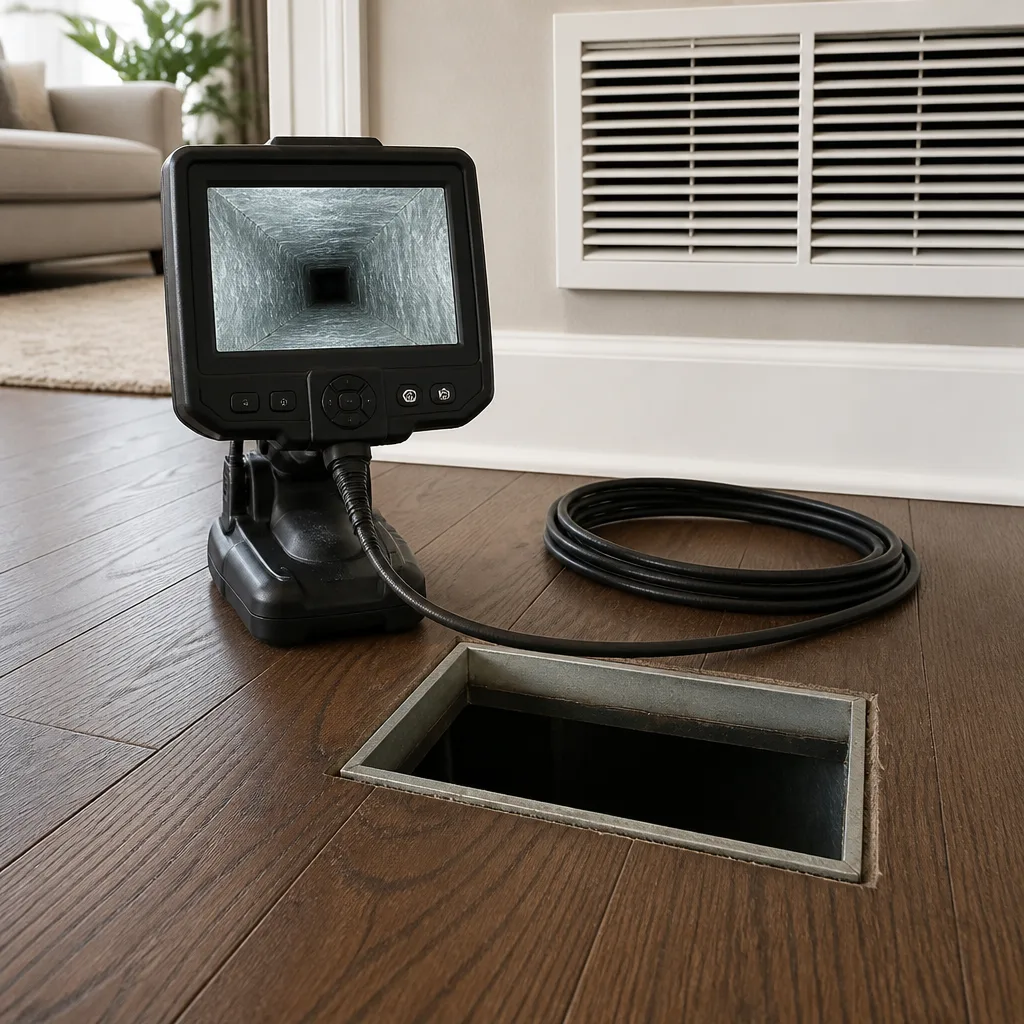 Camera inspection
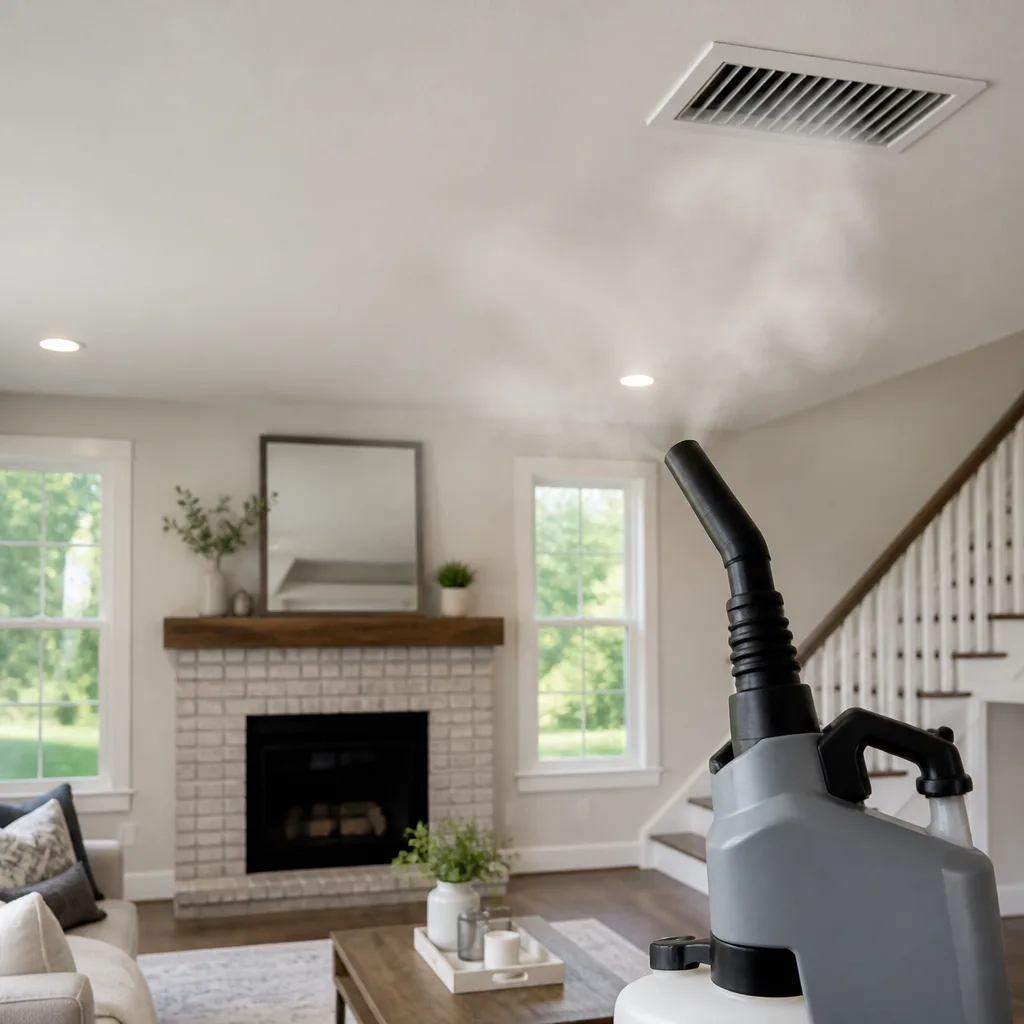 Sanitizing & deodorizing
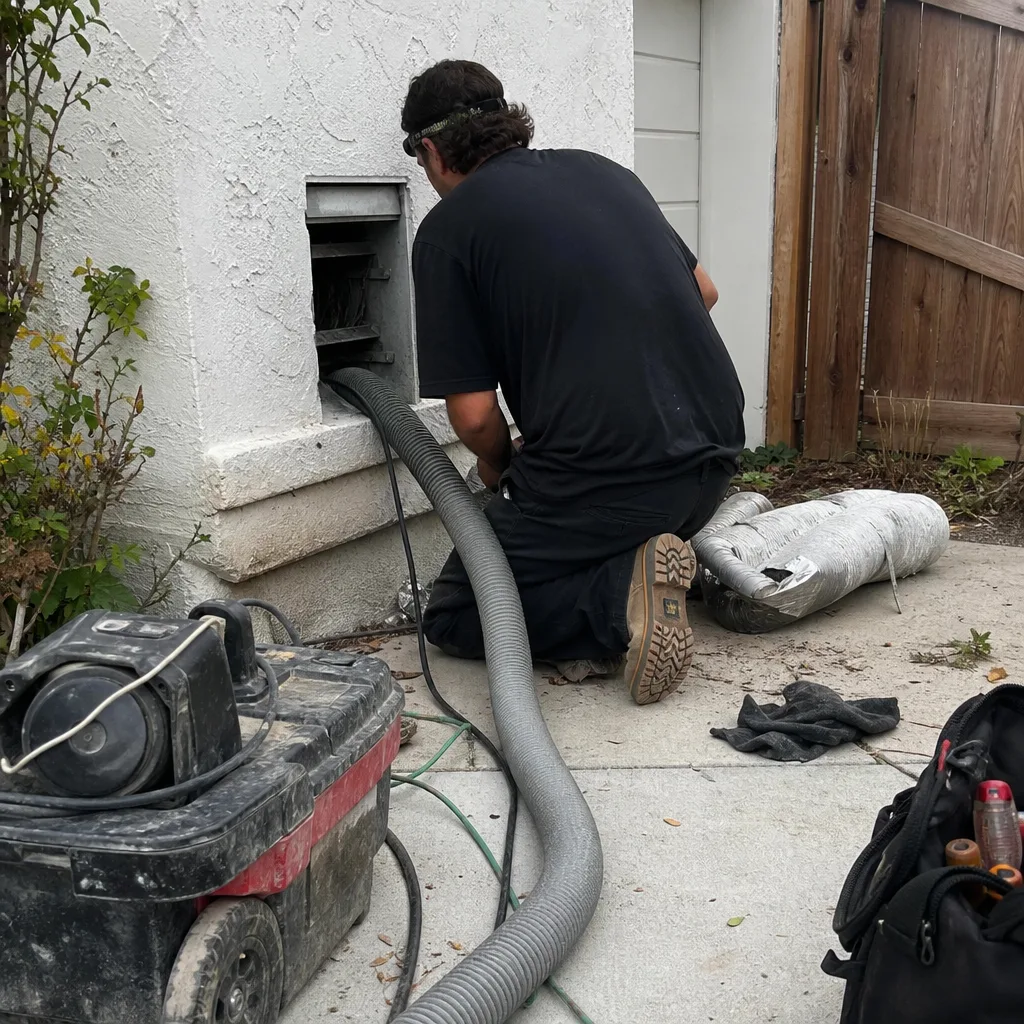
Whole-system duct and dryer vent check with before-and-after photos - you see exactly what came out of your vents
That "$99 whole-house special" is a bait ad - the real number appears once they are in your hallway, or the "clean" is a shop-vac at the register. We photograph the inside of your ducts before and after instead.
DIY vs Professional Air Duct Cleaning: The Pacific Beach Homeowner’s Decision Guide
The problem with DIY duct cleaning isn’t effort. It’s airflow direction. Most consumer-grade tools, from a shop vac to a hardware-store brush kit, push air and debris around rather than pulling it out. In Pacific Beach, where salt-laden coastal air settles as a fine film inside return ducts, a well-intentioned cleaning can redistribute that contaminant layer deeper into the system instead of removing it. This guide explains the mechanical difference between moving debris and extracting it, what you can safely do yourself, and where a professional air duct cleaning in Pacific Beach becomes the only option that actually works.
Styles & brands we work with
- Whole-home duct cleaning
- Dryer vent cleaning
- Camera inspection
- Sanitizing & deodorizing
Quick Answer
For most Pacific Beach homes, our Air Duct Cleaning services are the better choice because professional work uses negative-pressure extraction that removes contaminants rather than redistributing them. DIY methods that rely on positive pressure, like shop vacs and brushes, push debris downstream into trunk lines and the air handler. Homeowners can handle register cleaning, filter changes, and accessible boot wipe-downs, but anything beyond that calls for a truck-mounted or portable negative-air system run by a specialist.
Table of Contents
- The Physics Problem: Why Airflow Direction Decides Everything
- What a Pacific Beach Homeowner Can Legitimately Do Themselves
- Where DIY Stops Being Useful
- The Equipment Gap: Consumer Tools vs Professional Systems
- The Cost of Failure: Repeated DIY vs One Professional Service
- The Pacific Beach Coastal Factor
- Common Mistakes to Avoid
- When to Call a Professional
- Frequently Asked Questions
- The Bottom Line
The Physics Problem: Why Airflow Direction Decides Everything
Duct cleaning, at its core, is a study in applied physics. You need to separate particulate matter from the interior surfaces of sheet metal, flex duct, or fiberboard and then transport it out of the building envelope entirely. The tool you choose determines whether that second step happens. And most consumer-grade equipment fails that step.
Here’s the principle in plain terms: negative pressure pulls; positive pressure pushes. A professional duct cleaning system, like the Rotobrush or Nikro machines we run on Pacific Beach jobs, connects to the ductwork and creates a vacuum. The air inside the system moves toward the machine at high velocity, carrying loosened debris with it. That debris is captured in a HEPA-filtered collection chamber before the air is exhausted. Nothing gets redistributed because nothing is blown in the wrong direction.
Now consider what a shop vac does. A shop vac creates suction at the hose end, yes. But its exhaust port blows air out the back, often unfiltered to the micron level needed for fine particulate. Place that exhaust near a return vent and you’ve just aerosolized dust back into the living space. Worse, the agitation methods DIYers rely on, like whipping a brush or running a “duct cleaning” attachment from a drill, dislodge debris from one section of the duct only to send it downstream. With the system’s static pressure disrupted and no extraction at the far end, that debris settles in trunk lines, inside the air handler cabinet, or across the evaporator coil.
We’ve seen the aftermath in Pacific Beach homes more times than we can count. A homeowner spends a weekend cleaning the first three feet of every register they can reach. Two weeks later, the return side of the system is coated in a fresh layer of the exact material they thought they removed. The dust didn’t leave the system. It just found a quieter corner.
Understanding that single principle, extraction versus redistribution, resolves 90% of the DIY versus professional debate. For more on this topic, see our How to Hire an Air Duct Cleaning Contractor in Pacific Beach: A Step-by-Step Guide. The rest is about scope, access, and consequence.
What a Pacific Beach Homeowner Can Legitimately Do Themselves
Let’s be direct about what DIY maintenance on a duct system looks like when it’s done correctly. There are three tasks that are genuinely within a homeowner’s reach, require no specialized training, and produce real, measurable results when performed regularly. These tasks don’t clean the duct system. What they do is control the amount of particulate entering the system and the amount re-entering your living space. That distinction matters.
A structured DIY maintenance routine looks like this:
- Register and grille cleaning every 90 days. Remove each supply register and return grille, wash them in warm soapy water, and wipe down the accessible boot, the metal transition just behind the register opening, with a damp microfiber cloth. In Pacific Beach, this is the single highest-value DIY task because the coastal air deposits a fine gray film on any surface with consistent airflow. If your registers have visible buildup between quarterly cleanings, that’s a signal the interior ductwork needs professional attention.
- Filter replacement on a strict calendar, not a visual check. Use the highest MERV rating your system’s blower motor can handle without excessive static pressure drop, which for most residential units is MERV 8 to 11. Check monthly during summer months when Pacific Beach’s marine layer keeps windows closed and recirculation high. Replace every 60 to 90 days minimum. A clogged filter doesn’t just reduce airflow. It changes pressure dynamics across the entire system, which can pull unfiltered air through any gap in duct joints.
- Visual inspection of every accessible duct run. In crawl spaces and attics, check for disconnected sections, visible holes, compression in flex duct, and insulation that’s fallen away. You don’t need to fix these yourself, but identifying them early prevents a small gap from pulling in crawl space air, dust, and humidity for months before a professional catches it.
These three routines do more to preserve indoor air quality in Pacific Beach than any store-bought duct cleaning kit. They’re preventative, they’re safe, and they don’t risk damaging the system. The moment you’re tempted to go beyond them, the calculus changes.
Where DIY Stops Being Useful
There’s a hard line in every duct system where accessible, visible surfaces end and the actual ductwork begins. Understanding where that line falls will save you from wasting weekends and potentially causing damage that costs more to repair than a professional cleaning would have cost in the first place.
DIY methods stop being useful in four specific zones:
- Inside trunk lines and branch runs beyond the first few feet. The main supply trunk and return trunk run through walls, floors, and ceilings. They have no access points beyond the registers and maybe a cleanout port if the original installer included one, which most Pacific Beach homes don’t have. Consumer tools reach six to ten feet at best. The remaining twenty to fifty feet of ductwork stays untouched. Debris loosened at the accessible end migrates into the inaccessible section and stays there.
- At the air handler and evaporator coil. The blower motor housing, coil fins, and drain pan collect more particulate than any other part of the system. Accessing them requires removing panels, working around electrical components, and using coil-specific cleaning methods. Get this wrong and you’ll bend fins, damage the blower wheel, or leave moisture that feeds microbial growth. A bent or unbalanced blower wheel is a multi-hundred-dollar repair. A $89 hardware store duct cleaning kit isn’t worth that risk.
- In flexible duct runs. Flex duct is a thin plastic liner wrapped in fiberglass insulation and an outer vapor barrier. Aggressive brushing tears holes in the liner, and once insulation fibers enter the airstream, you’ve created a particle problem far worse than the dust you were trying to remove. Repairs mean opening ceilings or crawl spaces. This is a duct repair job in Pacific Beach, not a maintenance task.
- Anywhere with insulation contact. If you can see fiberglass batting, spray foam, or duct wrap anywhere near the area you’re cleaning, stop. Contaminant removal and insulation disturbance are mutually exclusive in an effective cleaning process. Professionals use negative pressure to remove debris while leaving insulation intact and undisturbed.
The common thread across all four zones is this: the deeper you go, the more the risk profile changes. Surface cleaning is safe. System cleaning is a different job with different tools, and mistaking the second for the first is where DIY duct cleaning goes wrong.
The Equipment Gap: Consumer Tools vs Professional Systems
We name our equipment because it matters. The difference between a $45 brush kit from a big-box store and the systems we run isn’t a matter of degree, it’s a matter of function. They do different jobs. Understanding the specifications makes the DIY-versus-professional decision a straightforward engineering calculation rather than a marketing argument.
Consumer-grade tools, what they do and what they can’t do:
- Shop vacs and household vacuums with brush attachments. These create 80 to 120 CFM of airflow in the best case and from a single point. The exhaust side is unfiltered or filtered to a level far too coarse for fine particulate. They cannot create the sustained negative pressure required to move debris from the far end of a main trunk line back to the collection point.
- Drill-powered brush kits. These agitate debris loose. That’s all they do. With no extraction attached, the loosened material moves downstream or becomes airborne. In a Pacific Beach return duct, where months of recirculated coastal dust have settled, this turns a visible dust layer into an invisible airborne one that the system redistributes through every supply register.
- Rental equipment with smaller portable vacuums. Some equipment rental yards offer portable duct cleaning machines. These are better than nothing, but they lack the agitation mechanism that separates adhered particulate from duct walls, and their capture chambers are small. You’ll spend more time emptying the unit than cleaning, and you still won’t reach the return trunk without cutting access holes.
Professional systems, built for extraction:
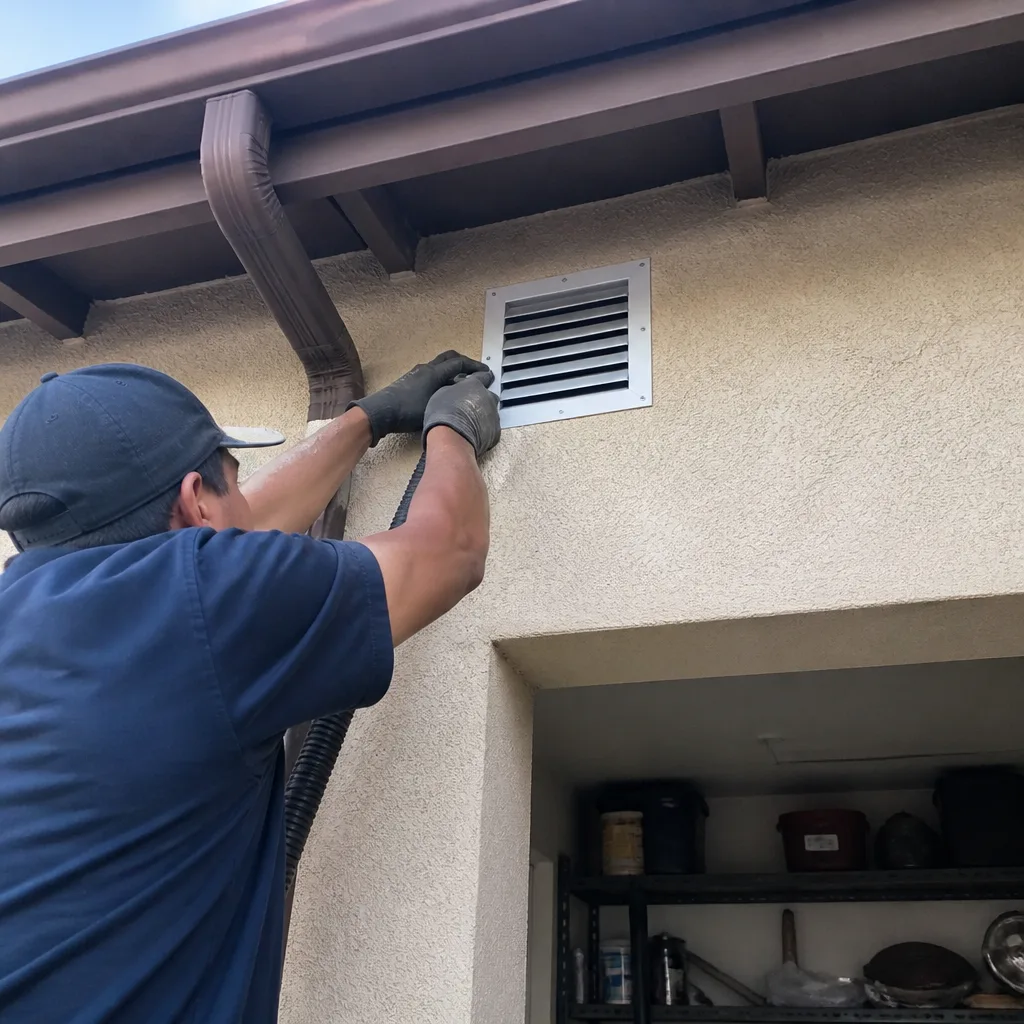
The Rotobrush and Nikro systems we operate follow a common professional architecture. A vacuum unit, either truck-mounted or portable, connects directly to the ductwork and pulls the entire system into negative pressure. Simultaneously, an agitation device, a rotating brush or compressed-air whip, travels inside the duct to dislodge adhered material. The extraction direction carries that material back to the collection chamber continuously. The system isn’t cleaning a few feet of duct at a time. It’s cleaning the entire run as a connected system, which is what makes professional service fundamentally different from point-cleaning with consumer tools.
Part of that professional setup involves containment and filtration, which is where products like those Honeywell and Aprilaire filtration lines serve a distinct role in the broader indoor air quality picture. We integrate recognized filtration and purification products because extraction alone isn’t the end of the conversation, it’s the beginning of maintaining what a clean system provides. But the extraction step itself comes first, and it comes from purpose-built negative-pressure equipment, not from a household vacuum working against itself.
The Cost of Failure: Repeated DIY vs One Professional Service
Homeowners who choose DIY duct cleaning usually do so because of price. A $45 brush kit versus a professional cleaning feels like an obvious savings. But that calculation ignores what a failed cleaning costs, and it’s worth examining the accounting honestly.
The real numbers behind a DIY attempt look like this:
- The tool cost. A basic brush kit runs $30 to $60. A “prosumer” kit with rods and a drill attachment, $80 to $150. A wet/dry vac that actually moves enough air to matter, $100 to $300 if you don’t already own one.
- The time cost. A thorough DIY attempt across every accessible register in a typical Pacific Beach 3-bedroom home takes a full weekend, about 8 to 12 hours total, once you factor in moving furniture, removing registers, working each vent, and reassembling. Assign your time any hourly value you like, but even at minimum wage, that’s $130 to $195 in labor equivalent.
- The failure cost. If the cleaning is ineffective, which it will be for anything beyond accessible register boots, the dust remains. If it’s counterproductive, which it often is when agitation pushes debris deeper and airflow redistributes it, the system may end up dirtier than when you started. And if you damage a flex duct liner, bend a coil fin, or throw a blower wheel out of balance, the repair bill lands between $200 and $1,500 depending on the damage.
Now compare one professional service:
A professional air duct cleaning for a standard Pacific Beach home typically runs in the $350 to $550 range for a complete system, supply and return sides, with the air handler and coil included. One appointment. Four to six hours. Extraction-based removal of what’s actually inside the ductwork, not just what you can see through the register. And the result is verifiable through before-and-after photos taken inside the duct runs, which are part of the service record, not a separate charge.
Run the numbers over three years. The homeowner who DIYs every six months with inexpensive tools may spend $300 to $600 in equipment and 30 to 40 hours of labor, and at the end of that period, the duct system is likely in roughly the same condition it started. The homeowner who gets one professional cleaning spends less money, a fraction of the time, and starts from a verified-clean baseline. Maintenance from there is a matter of filters and registers, which are the tasks DIY does well. The economic case for DIY duct cleaning collapses under any honest accounting, especially in a coastal environment where incomplete cleaning leaves a contamination layer that grows seasonally. For tips on staying ahead of this, read our Seasonal Air Duct Cleaning Care for Pacific Beach: Year-Round Homeowner’s Guide.
The Pacific Beach Coastal Factor
The DIY-versus-professional calculation changes depending on where you live. In a dry inland climate, a mediocre duct cleaning might still leave a system “clean enough” because low humidity limits what grows in the residual dust. Pacific Beach is not that climate. And the difference is substantive enough to shift the recommendation for anyone living west of the I-5.
The Pacific Beach air carries marine aerosols, small salt particles suspended in moisture, along with whatever pollen and urban particulate the breeze picks up. That air enters your return ducts through open windows, door gaps, and general air exchange. Inside the duct system, the marine layer’s characteristic humidity, think 65% to 75% relative humidity on typical summer mornings before the fog burns off, does something specific to the dust that settles there.
Dry dust is inert. It sits in place until disrupted. Humid, salt-laden dust is a different material. The moisture creates adhesion, bonding particulate to duct surfaces so it resists simple brushing. The salt content attracts additional moisture from the air, amplifying the effect. And the humidity creates conditions where any organic material in the settled dust, skin cells, pet dander, pollen, can support microbial growth. In a Pacific Beach duct system, the problem isn’t just dust. It’s a semi-adhered, moisture-reactive layer of composite debris.
What does that mean for the DIY question? It means incomplete cleaning has higher consequences than it would in, say, Poway or El Cajon. Leaving a layer of that coastal residue in place means it keeps growing. A partial DIY job that removes some visible dust but leaves the adhered layer intact delivers no lasting improvement. The system’s airflow patterns remain restricted by the same material, and the residue continues to hold moisture against metal surfaces, which is the starting point for the corrosion issues we see in older beach-area systems.
Professional extraction addresses that adhered layer because the agitation mechanism is designed to separate bonded material from duct surfaces, not just sweep loose dust. The negative pressure carries it out in a single pass. That’s the specific reason Pacific Beach homeowners get more value from professional cleaning than inland homeowners do from the same service. The coastal environment makes thoroughness worth paying for.
Common Mistakes to Avoid
- Using a leaf blower to “clean” your ducts. This is the worst version of the positive-pressure problem. A leaf blower forces debris down the ducts under pressure and into the air handler, the coils, the flex runs, everywhere you don’t want it. We’ve had to clean systems after this exact mistake more often than any other DIY mishap.
- Removing duct tape or foil tape without resealing it. If you peel back an existing seam to look inside and don’t reseal it properly with UL-listed foil tape, that seam now leaks conditioned air into the crawl space or attic. In Pacific Beach, it also becomes an entry point for humid air that condenses inside the duct.
- Spraying disinfectant or deodorizer into registers. Most household sprays are not rated for use inside ductwork. They leave residue that captures dust faster than a clean surface, and some contain compounds that off-gas into your supply air. If you suspect microbial growth inside the system, that needs professional assessment, not a scented spray.
- Cleaning only the supply registers and ignoring the return side. The return side carries the dirtiest air in the system, unfiltered air from your living space. Every Pacific Beach system we’ve seen with a heavy return-side buildup had a homeowner who diligently cleaned supply registers and never touched the returns. Half a cleaning isn’t a cleaning.
- Attempting to access the air handler interior without disconnecting power. Even with the breaker off, capacitor discharge in some blower configurations can deliver a shock. The air handler area also sits adjacent to gas lines in many forced-air systems. This isn’t a “be careful” warning, it’s a “don’t do this yourself” one. The risks outweigh any possible savings.
- Assuming a clean-looking register means a clean system. The register boot is the last point air passes through, and it’s a quarter-inch from the room. The trunk line, branch runs, and return side are what determine system cleanliness. If you’re not inspecting the full system with a camera, you’re making assumptions based on cosmetic evidence.
When to Call a Professional
Some situations are unambiguous. If you’ve lived in your Pacific Beach home for more than three years and have never had the ducts professionally cleaned, that’s not a judgment call, it’s a maintenance gap. If you’ve done renovation work, especially anything involving drywall sanding, flooring removal, or cabinet installation, construction dust in the duct system needs extraction, not a register wipe-down. If anyone in the home has respiratory conditions, allergies, or chemical sensitivities, professional cleaning removes a variable that DIY approaches can actually worsen. If you see visible dust accumulating on registers within weeks of cleaning them, that’s the system delivering contaminants from upstream, and no register-level cleaning will stop it.
If you’re in any of these situations, Fairway Air Duct Cleaning offers free estimates in Pacific Beach. Call (866) 241-3526 and we’ll inspect the system before you commit to anything. If the system doesn’t need cleaning, we’ll tell you that too. A specialist’s job is to give you accurate information about your ducts, not to sell a service regardless of the evidence.
Frequently Asked Questions
Professional air duct cleaning for a standard single-family home in Pacific Beach typically runs between $350 and $550 for a complete system, including supply and return sides, the air handler, and the evaporator coil where accessible. Prices vary based on system size, accessibility, and condition. Call (866) 241-3526 for an exact quote based on your system, estimates are free and you’ll get the full price before any work begins.
Cheaper quotes almost always mean scope reduction. Some companies charge a low base price then add per-vent fees that multiply the final invoice. Others skip the return side, the air handler, or the coil. Some use consumer-grade equipment that can’t perform true extraction. A legitimate quote includes the full system in one flat price. If a price seems too far below the $350 to $550 range for Pacific Beach, ask what’s excluded. The answer will tell you why.
Ask for before-and-after photos taken inside the duct runs themselves, not just pictures of the equipment. A professional service should be able to show you the interior surface of your main trunk line before and after cleaning. If the company can’t provide this, they likely didn’t carry camera inspection equipment, which raises legitimate questions about what they were able to see or verify. Photo documentation is a standard part of professional service, not a premium add-on.
Most Pacific Beach homes benefit from professional cleaning every three to five years. The coastal humidity and marine aerosol load make the interior of duct systems accumulate residue faster than in inland areas, so homes closer to the water trend toward the shorter end of that range. Homes with pets, smokers, recent construction, or residents with respiratory conditions may need service more frequently. A filter-and-register maintenance routine extends the time between professional cleanings, but it doesn’t replace them.
A shop vac can create suction at the point of contact, but it cannot create system-wide negative pressure, and its exhaust side reintroduces fine particulate into the room unless vented outdoors through a HEPA filter. More critically, a shop vac hose reaches a few feet into a register boot while the rest of the run remains untouched. Debris you dislodge moves downstream into sections you’ll never reach. What a shop vac can do is handle the register boot wipe-down and visible surface cleaning, which are legitimate DIY tasks. The duct system itself needs different equipment.
There are no Pacific Beach-specific permits required for routine duct cleaning, but the work does intersect with California’s Title 24 energy efficiency standards, which focus on duct sealing and insulation integrity. Any cleaning process that damages seals, separates duct sections, or compresses insulation creates compliance issues and energy loss. Professional cleaning done with agitation equipment designed for duct interiors avoids these problems. If a cleaning exposes damaged sections, those should be addressed through a duct repair service rather than left as leaks in the system.
It should be considered alongside it, though it’s a separate system with separate hazards. The Pacific Beach dryer vent cleaning service exists because lint accumulation in the dryer exhaust creates a documented fire and carbon monoxide hazard. The same negative-pressure principle applies, and the consequences of incomplete cleaning are more immediate than a dirty supply duct. A clogged dryer vent isn’t a maintenance preference, it’s a fire-safety appointment. Like air ducts, a partial DIY job leaves the most dangerous accumulation in the section of the run you can’t reach.
The Bottom Line
The DIY versus professional duct cleaning decision in Pacific Beach comes down to a mechanical fact: consumer tools push debris around, professional systems pull it out. That single distinction resolves nearly every other question in this guide. You can maintain your registers, replace your filters, and inspect accessible ductwork on your own, and you should. Those tasks control what enters the system. But the system itself, from trunk lines to the air handler, requires negative-pressure extraction and agitation equipment that isn’t available at a hardware store, and the coastal environment makes incomplete cleaning more consequential here than almost anywhere else in the county. One professional cleaning every three to five years, done by a specialist with the right equipment and verifiable results, costs less over time than repeated DIY attempts and leaves you with a system that’s actually clean, not one that looks clean from the register outward.
Ready to see what’s actually inside your Pacific Beach duct system? Call Fairway Air Duct Cleaning at (866) 241-3526 for a free estimate and a camera inspection. You’ll get a straight answer about whether your ducts need cleaning, and if they do, one flat price for the complete system before we start.
Written by the team at Fairway Air Duct Cleaning, serving Pacific Beach since 2014.
See the difference
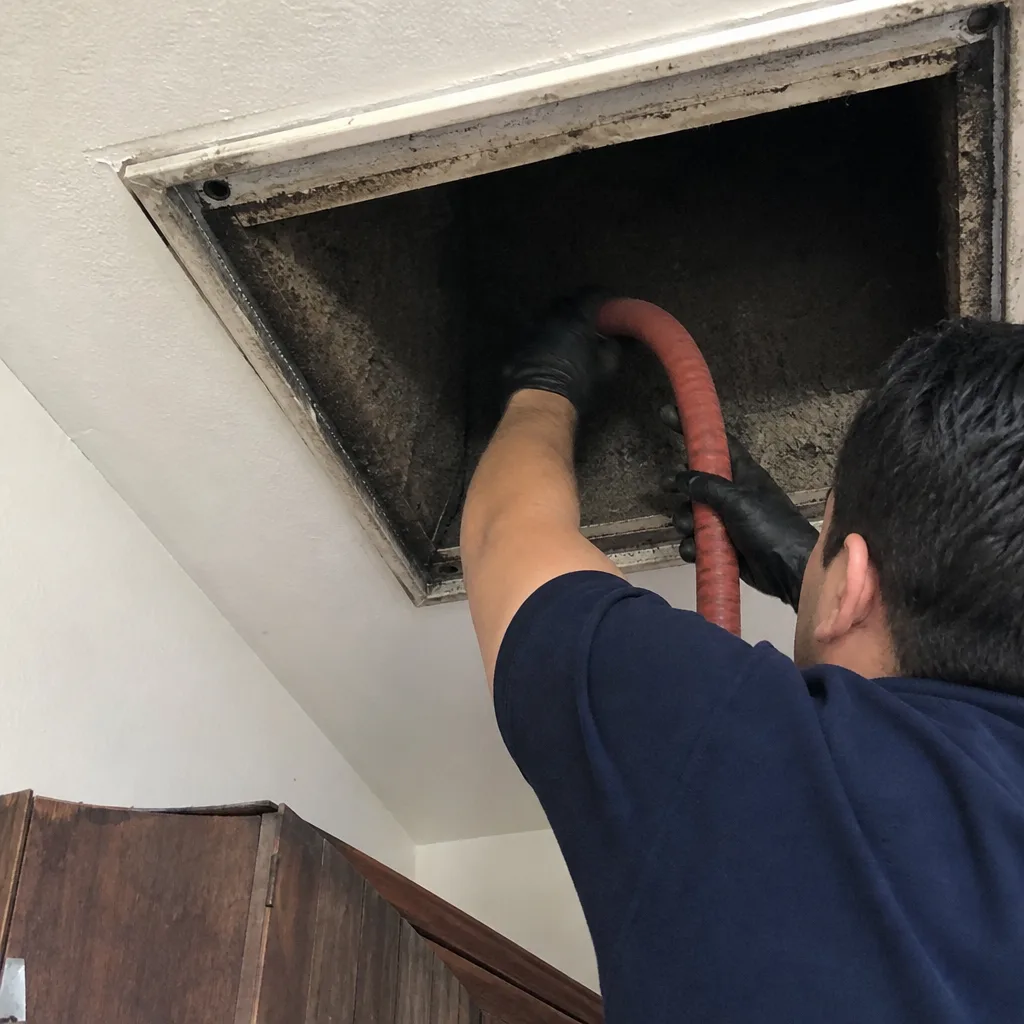 Before
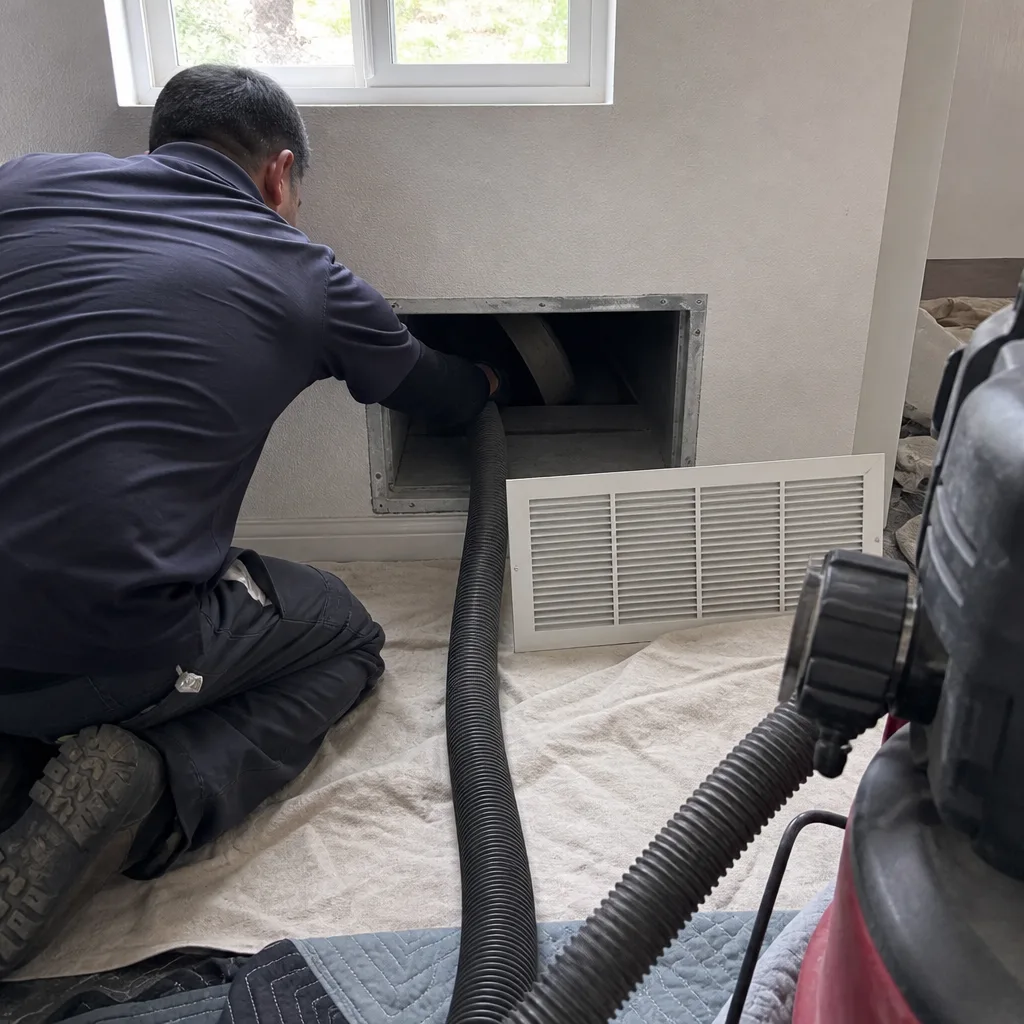 After
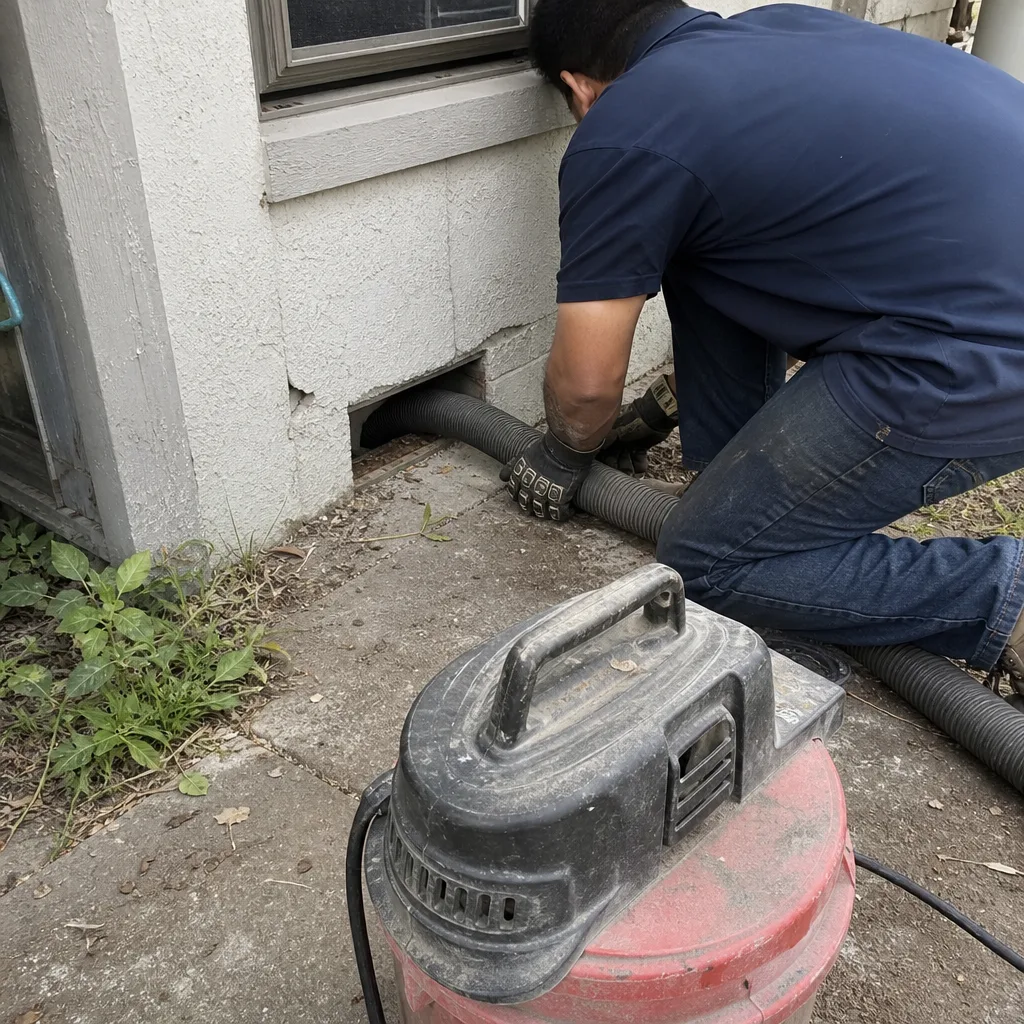 Before
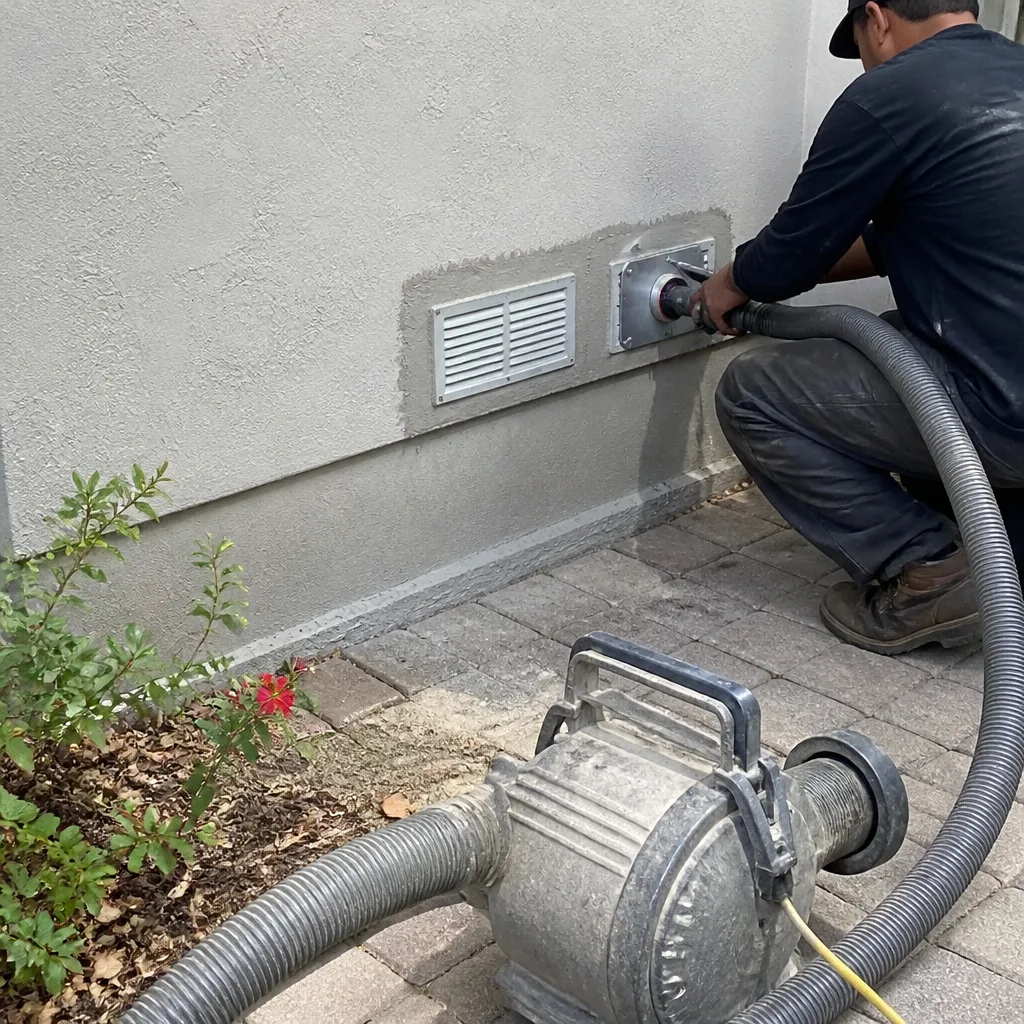 After
 Before
 After