
Last updated November 2, 2026
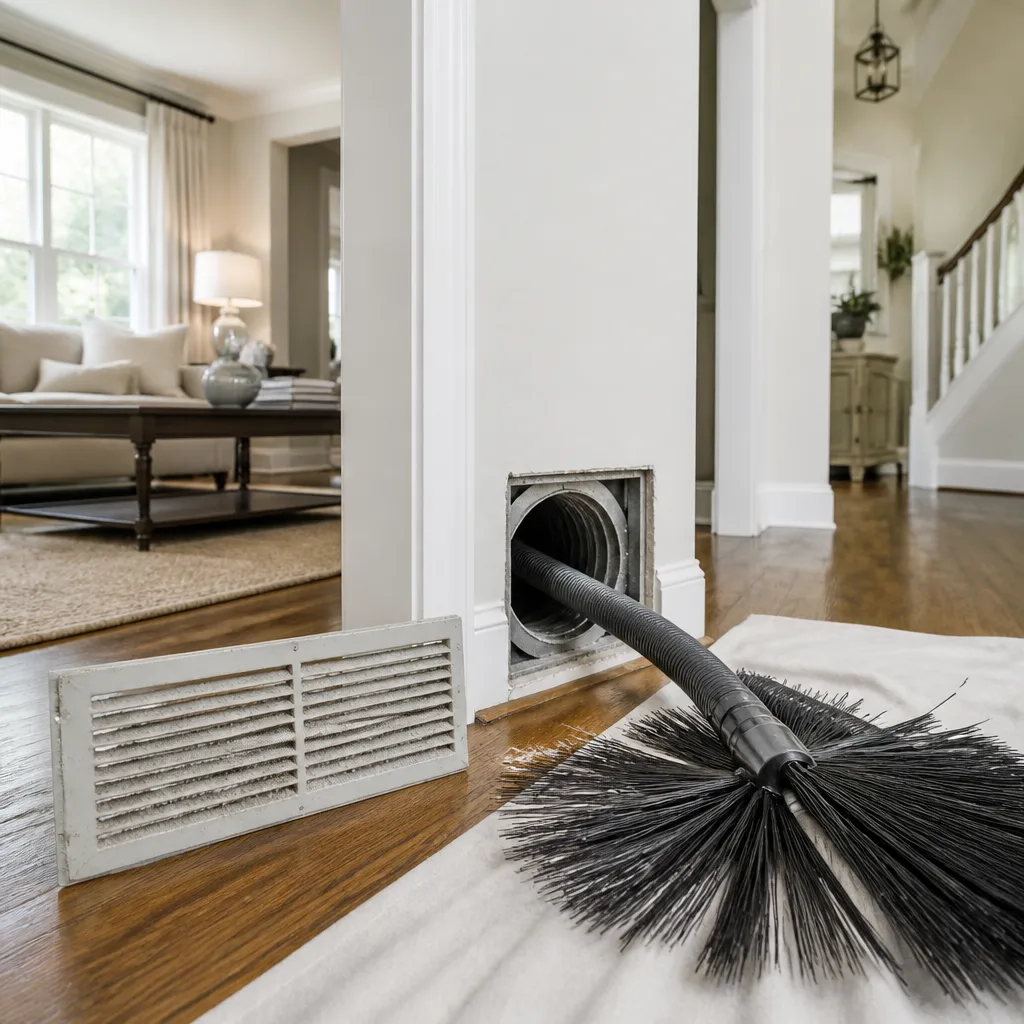 Whole-home duct cleaning
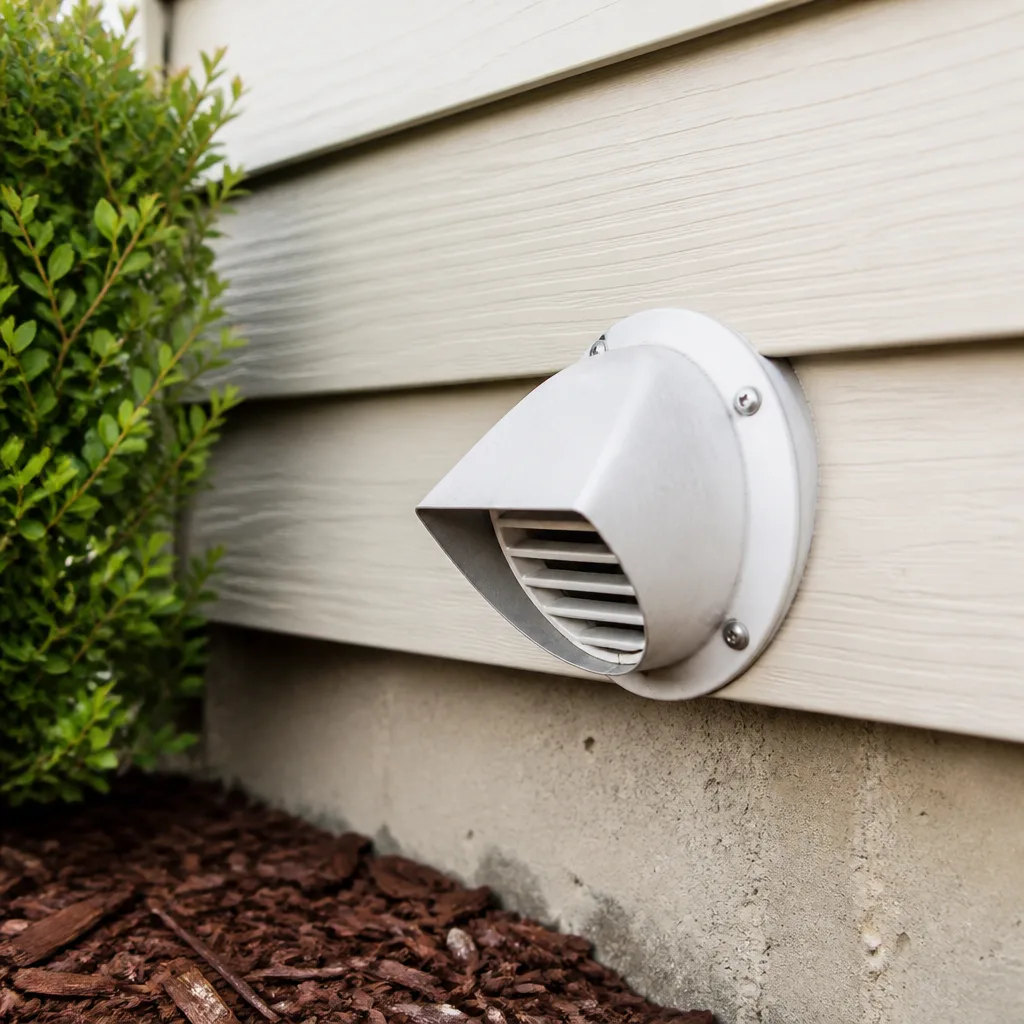 Dryer vent cleaning
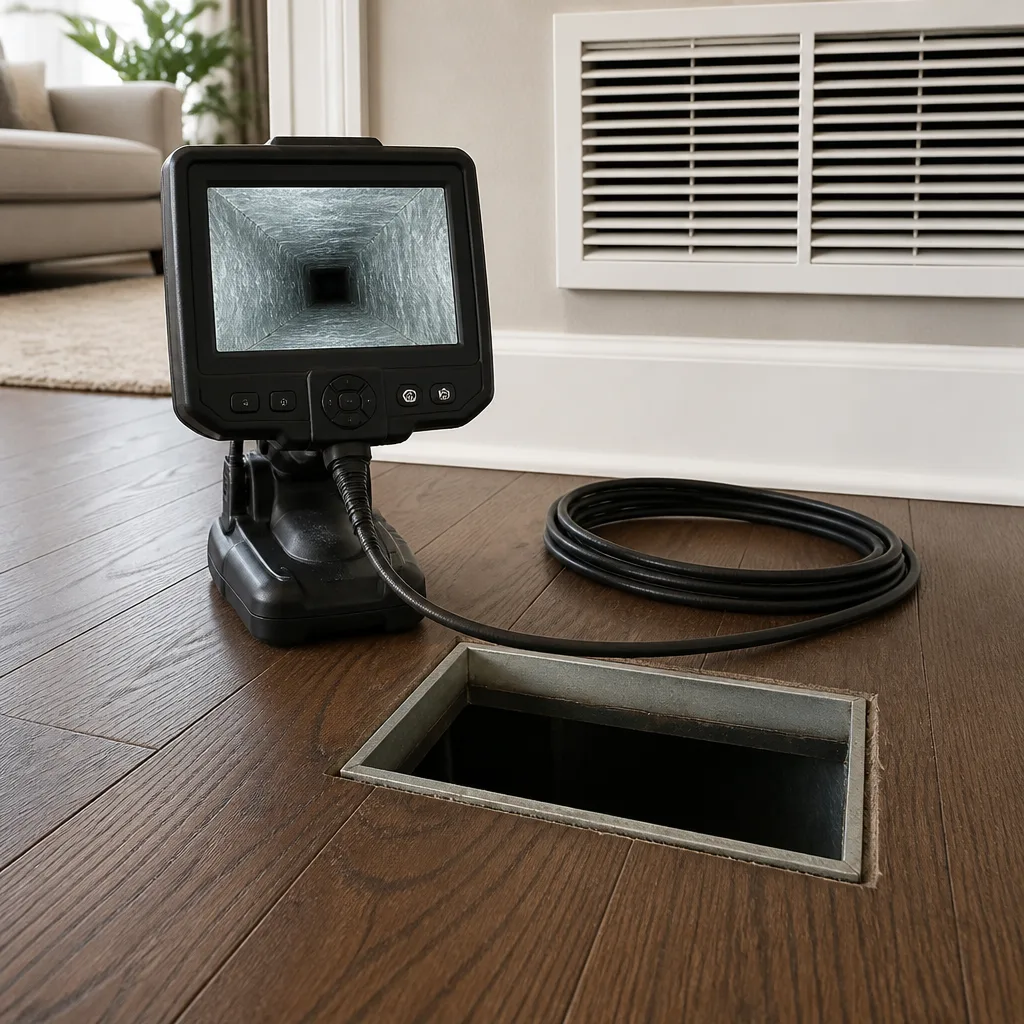 Camera inspection
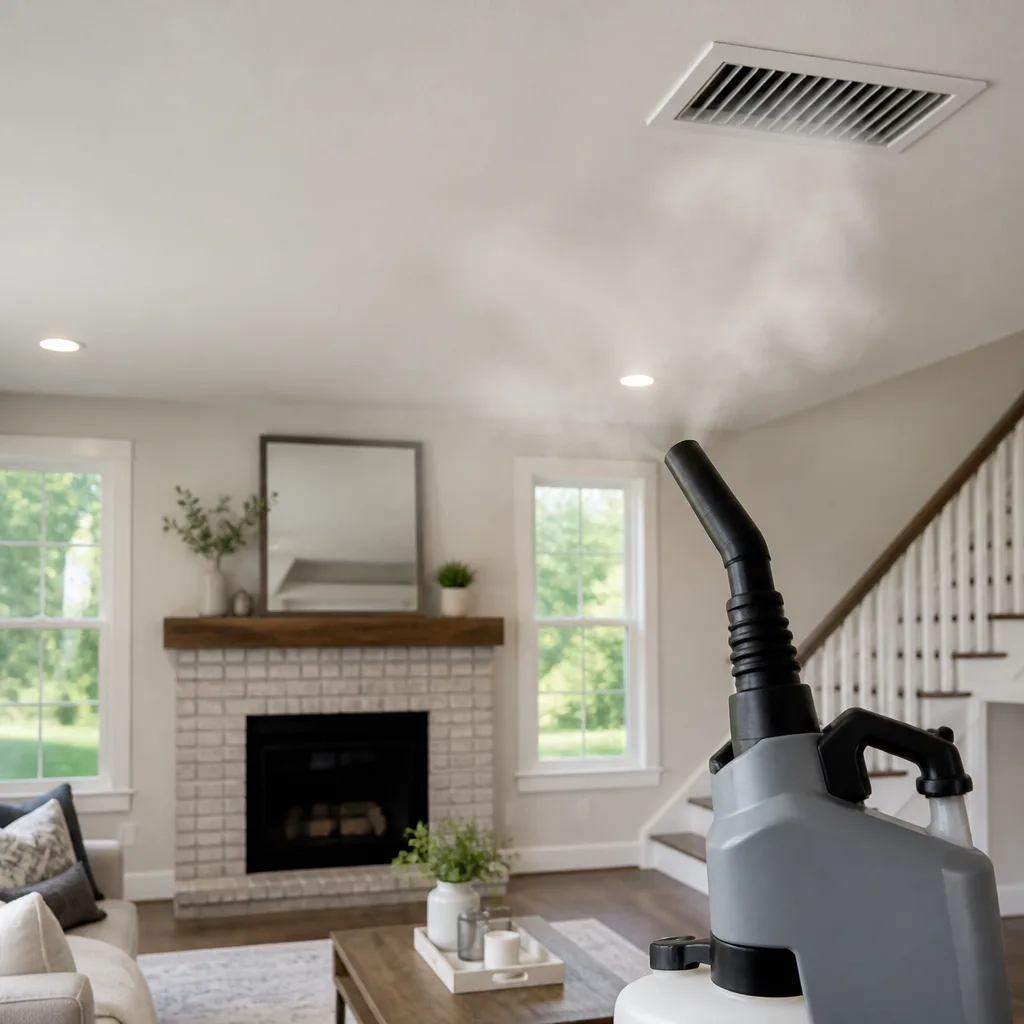 Sanitizing & deodorizing
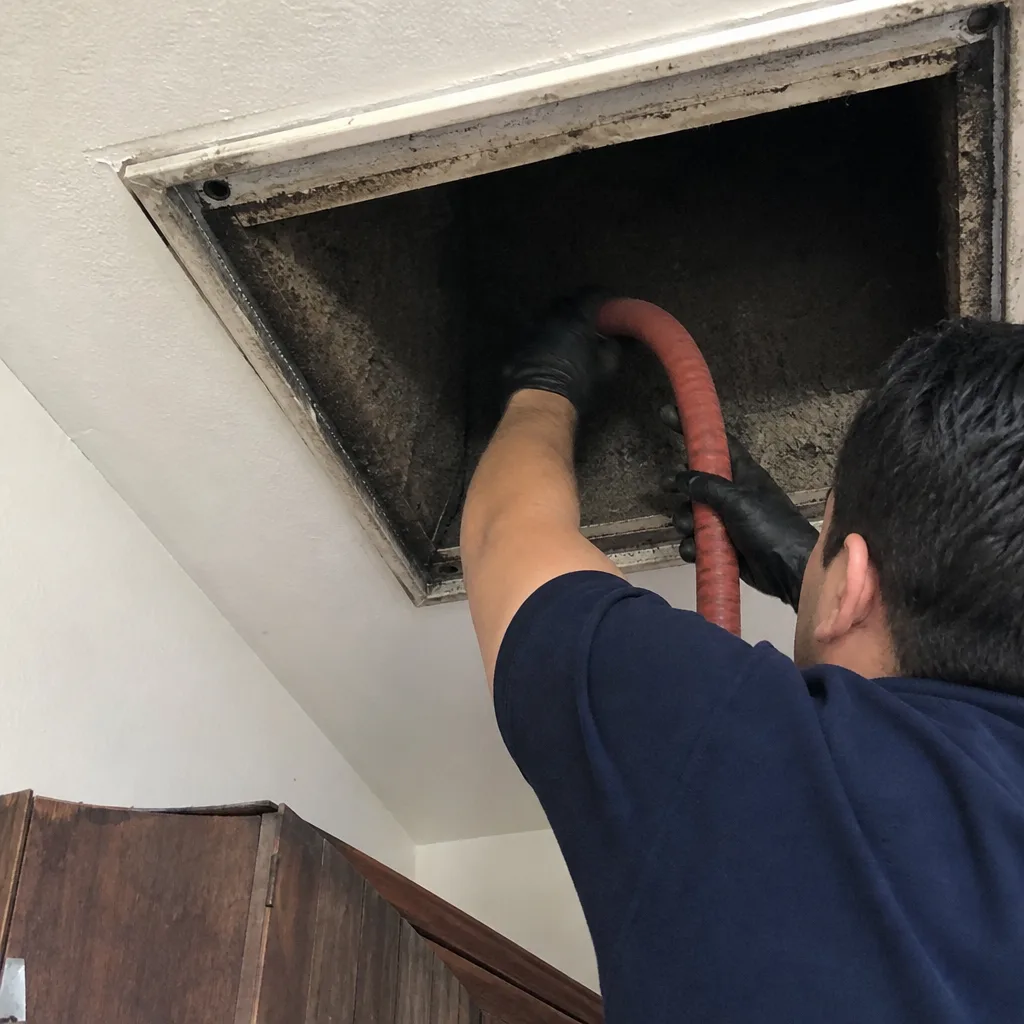
Whole-system duct and dryer vent check with before-and-after photos - you see exactly what came out of your vents
That "$99 whole-house special" is a bait ad - the real number appears once they are in your hallway, or the "clean" is a shop-vac at the register. We photograph the inside of your ducts before and after instead.
Seasonal Air Duct Cleaning Care for Pacific Beach: Year-Round Homeowner’s Guide
The standard advice you’ll hear is to clean your air ducts every three to five years. That schedule was written for places with real winters, furnaces running five months straight, and snow melt tracking salt into the house. Pacific Beach doesn’t work that way. What we have instead is a marine layer that sits on the coast for weeks each spring, Santa Ana winds that blow desert dust into every window seam each fall, and a cooling season that runs longer than most transplants expect. Each of those patterns does something different to the air moving through your home. If your duct maintenance is pinned to a generic national calendar, you’re responding to the wrong inputs. This guide maps duct care to what’s actually happening outside your Pacific Beach windows, month by month.
Quick Answer
In Pacific Beach, the two periods that most affect your duct system are the May-July marine layer season and the September-November Santa Ana wind season. The marine layer raises indoor humidity and can dampen duct liners and filters; the Santa Anas push fine desert particulate through returns and into the ductwork. The smartest schedule for this climate is our Air Duct Cleaning services in late spring or early fall, filter checks every 30-60 days during high-particulate months, and a dryer vent cleaning once a year regardless of season. The single best window for a full professional duct cleaning in Pacific Beach is April through early May, before the marine layer settles in for the summer.
Styles & brands we work with
- Whole-home duct cleaning
- Dryer vent cleaning
- Camera inspection
- Sanitizing & deodorizing
Table of Contents
- May Through July: The Marine Layer’s Effect on Ductwork
- September Through November: Santa Ana Wind Particulate Loading
- Winter and Spring: The Right Window for Professional Cleaning
- How to Time Filter Changes Around Pacific Beach Weather Patterns
- Dryer Vent Cleaning: A Year-Round Fire Safety Appointment
- What Healthy Ductwork Looks Like in a Coastal Climate
- Common Mistakes to Avoid
- When to Call a Professional
- Frequently Asked Questions
May Through July: The Marine Layer’s Effect on Ductwork
Every year, starting in late May and often running through July, Pacific Beach gets the marine layer. It rolls in overnight, hangs around until mid-morning, and then burns off, only to return the next evening. For anyone living west of Ingraham Street, this is the cloud cover you see out your window for six straight weeks. What you don’t see is what it does to indoor air.
The marine layer keeps overnight relative humidity in the 80-90% range for weeks at a time. When that moist coastal air gets pulled into your return ducts and pushed through the system, it raises the moisture content inside the ductwork itself. Most residential duct systems in Pacific Beach are lined with fiberglass or foil-faced insulation on the interior. That liner is porous. When it absorbs moisture repeatedly over a multi-week stretch, it becomes a surface where biological growth can start, particularly in the darker, cooler sections of duct runs that run through unconditioned spaces like attics or crawl spaces.
Here’s what we tell homeowners to monitor during marine layer season:
- Check your filters mid-season, not just quarterly. A filter that looks clean in March can be damp, warped, and partly clogged by mid-June. Moisture and dust combine on a filter surface differently than dry dust alone.
- Listen for a damp, musty smell from vents when the AC first kicks on. That odor is usually moisture that settled in the duct liner overnight. It’s often the earliest sign that the marine layer is getting into your system.
- Watch for condensation on supply registers in the early morning. If you see water beading on the vent cover itself before the system runs, that’s high-humidity air meeting a cool metal surface. It’s a signal worth checking further.
- Run your fan periodically even when cooling isn’t needed. Circulating air through the system for 15-20 minutes on a dry afternoon helps reduce moisture that settled overnight.
One thing we’ve seen repeatedly in Pacific Beach homes: duct systems in older buildings, especially the 1940s-1960s cottages and bungalows concentrated near the beach, often have return ducts that draw air from under the house. During marine layer months, the crawl space under a beach cottage is essentially a humidity chamber. That air goes straight into your ducts. If you live in one of these older PB homes, your duct system is working harder against ambient moisture than a newer sealed system would be.
The marine layer season isn’t a reason to panic. It’s a reason to pay attention. Most of the time, duct liner handles moderate humidity without an issue. The problems develop when moisture combines with the accumulated dust and debris already sitting in the duct system from the previous year. That’s why Air Duct Cleaning Cost Breakdown: The Pacific Beach Homeowner’s Reference for 2026 matters so much here. A duct system that got cleaned in early spring has a clean liner going into marine layer season. A duct system that hasn’t been touched in four years has a moist, dusty liner for six weeks straight. Those are two very different starting points.
September Through November: Santa Ana Wind Particulate Loading
If the marine layer is a moisture problem, the Santa Ana winds are a particulate problem. Starting as early as late September and running through November, Pacific Beach gets these hot, dry offshore winds that blow from the desert toward the coast. The gusts hit 40-60 mph in some events, and they carry fine dust, pollen, and microscopic particulate from inland San Diego County straight into coastal neighborhoods.
During a Santa Ana event, the air quality in Pacific Beach degrades quickly. You’ll see it as a haze over Mission Bay, smell it as a dry, gritty quality to the air, and if you’re paying attention, notice it on your windowsills and patio furniture within a couple of days. Your HVAC system is pulling that same air through the return grille every time it cycles. The filter catches some of it. The rest moves into the ductwork.
Here’s why Santa Ana season matters for ducts specifically. The particulate blowing in is extremely fine, much finer than typical household dust. It passes through standard fiberglass filters that would catch larger debris. It settles inside duct runs, especially in the low-velocity sections where the duct makes turns or where the system has been running for years with a marginal filter. Then, when the event passes and the system cycles normally, that fine particulate re-enters the air stream and circulates through the house.
After a significant Santa Ana event, we recommend homeowners do a visual inspection:
- Remove a supply register in a high-use room and look inside with a flashlight. If the duct surface looks dusty rather than clean sheet metal or clean liner, that’s post-event loading.
- Check the return grille slats. If there’s visible dust accumulating on the grille itself, the system is pulling heavy particulate.
- Inspect the area around the furnace or air handler filter slot. If the filter is heavily loaded after only 30 days, your system ran hard during the wind event.
- Notice how the house feels 2-3 days after the wind stops. If you’re dusting surfaces more frequently than normal, the system may be redistributing particulate from the ducts.
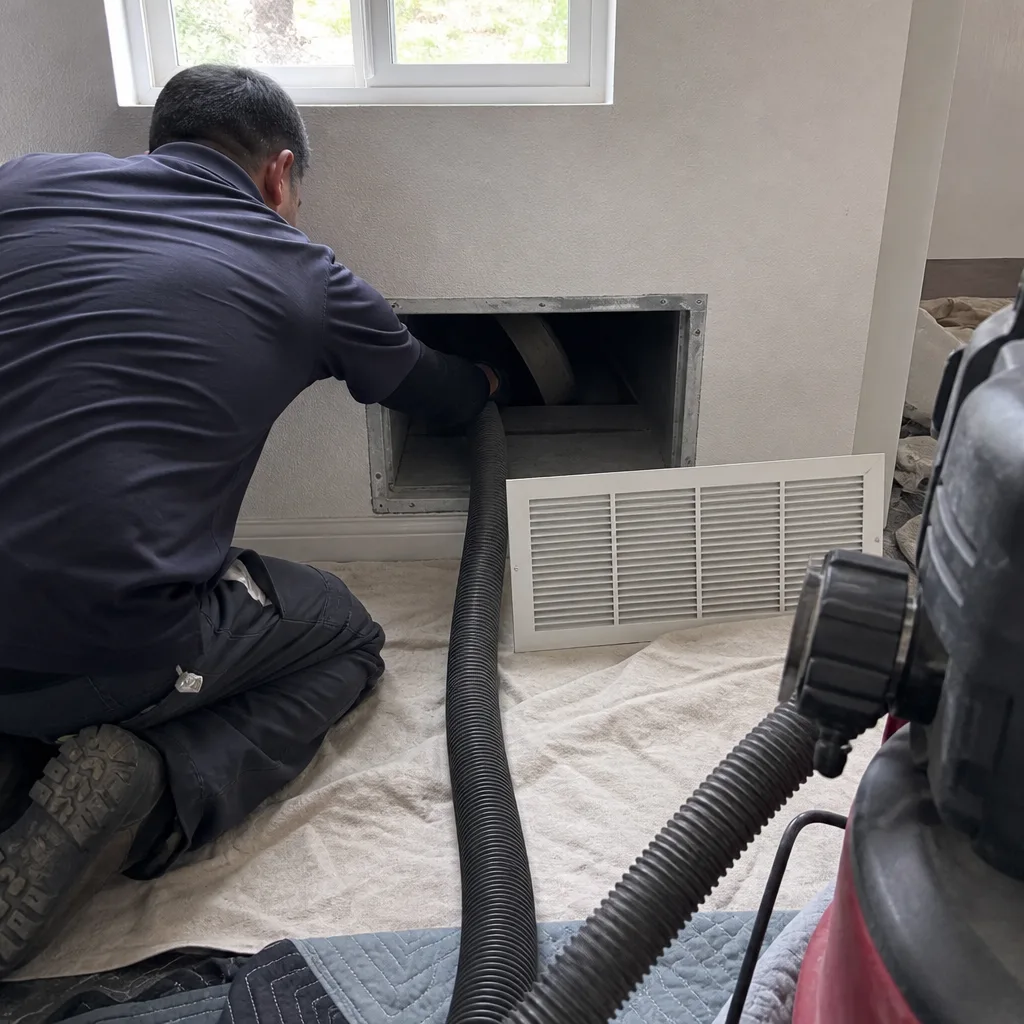
This is also the season when professional equipment matters. A duct cleaning system using negative air with proper containment, like the professional systems used with Nikro equipment, captures fine particulate rather than redistributing it. A consumer-grade vacuum attached to a vent doesn’t create negative air pressure through the full duct run, so it leaves fine material sitting exactly where it was. For homeowners in Pacific Beach who’ve just watched their outdoor furniture turn gritty after a Santa Ana, the distinction between capturing particulate and moving it around the ducts is the entire point.
Winter and Spring: The Right Window for Professional Cleaning
Pacific Beach winters are mild, but they still change how a home’s HVAC system runs. From December through February, many PB homes switch between cooling and heating within the same week, sometimes the same day. That frequent cycling moves air through the duct system at changing temperatures and velocities, which can dislodge accumulated debris from the previous year’s marine layer and Santa Ana seasons.
Here’s the practical takeaway: if you get one professional duct cleaning per year, schedule it in late March or April. Here’s why that window works for Pacific Beach specifically:
- The marine layer hasn’t arrived yet. You’re cleaning the system before coastal humidity becomes a daily factor. A clean liner enters the high-moisture season with no accumulated dust to absorb moisture.
- The Santa Ana season is well behind you. Whatever particulate got pushed through the system in October and November can be removed rather than sitting through another full year.
- HVAC demand is moderate. The system isn’t running hard for cooling yet, so scheduling a cleaning doesn’t mean going without AC on a hot day.
- It’s easier to identify and repair problems. If a duct run has a loose connection, a torn liner, or a separation at a joint, a spring inspection finds it before cooling season puts the system under full load.
For households with a full house of occupants, pets, or a home near heavy construction, twice-yearly cleaning can make sense. In that case, the second cleaning belongs in mid-October, after the first Santa Ana events, but before the holiday season when the system cycles more frequently. This is a judgment call based on what your system actually sees. A single occupant in a sealed, modern unit near Fanuel Street Park with no pets will have a very different particulate load than a family of five in a 1950s cottage two blocks from the beach.
One more consideration for spring: if you’re doing any renovation work, painting, or flooring, do it before the duct cleaning, not after. Construction dust and paint fumes get pulled into return ducts quickly. A cleaning in April after a March remodel makes far more sense than a cleaning in April followed by a contractor’s crew in May. We’ve arrived at homes where the ducts were cleaned, then drywall was sanded two weeks later, and the homeowner couldn’t understand why the system was dusty again. Sequence matters.
How to Time Filter Changes Around Pacific Beach Weather Patterns
The standard advice is to change your HVAC filter every 90 days. That’s a fine starting point for a sealed home in a stable climate. It doesn’t reflect what a Pacific Beach home experiences in a given year. Here’s a seasonal filter schedule that accounts for what’s actually happening outside:
- May-July (marine layer): Check your filter every 30 days. High humidity plus accumulated dust creates a filter that loads faster and restricts airflow more quickly. If the filter looks damp, warped, or gray rather than white, replace it regardless of the calendar.
- September-November (Santa Ana): This is the heaviest particulate loading period of the year. Check at the midpoint of each month, and plan on replacing a standard 1-inch filter at least once during this stretch. If you run a MERV 11 or higher filter, it will saturate faster because it’s catching finer material. That’s what it’s supposed to do, but it means more frequent replacement.
- December-February (winter): Moderate loading. A 60-90 day replacement cycle works for most homes. If you run heat frequently, check at 45 days. If your system sits off most of the time, 90 days is fine.
- March-April (spring): Replace before marine layer season starts. This is the single most important filter change of the year, because you’re sending a clean filter into the highest-humidity stretch of the calendar.
Filter quality also matters more in Pacific Beach than in inland areas. A basic fiberglass panel filter catches large debris but lets fine Santa Ana particulate pass through. A MERV 8-11 pleated filter catches more of that fine material, but it needs more frequent replacement because it loads faster. If you’re using high-efficiency filters from Honeywell or Aprilaire, follow the manufacturer’s spec for your specific system. A filter that’s too restrictive for your blower can lower airflow and raise energy costs, even if it’s a better filter on paper. If you’re not sure what your system can handle, ask a technician who works on coastal homes regularly. The right answer depends on your specific unit, not on a chart.
Dryer Vent Cleaning: A Year-Round Fire Safety Appointment
Dryer vent cleaning doesn’t have a season. Lint accumulation happens every time you run the dryer, whether it’s June or January. What Pacific Beach homeowners should understand is that coastal humidity changes how lint behaves inside the vent run, and that makes this particular service relevant all year, not as a winter chore.
Here’s the concern. In a dry climate, lint inside a dryer vent stays dry and fluffy. It accumulates, and eventually it restricts airflow. In Pacific Beach, the marine layer raises the moisture content of the air in unconditioned spaces like the space behind your dryer and the vent run itself. Damp lint compresses, sticks to the vent walls, and doesn’t blow through the way dry lint does. Over time, this creates a dense, clogged section of vent that restricts airflow more than the same volume of dry lint would, and it’s harder to dislodge without professional equipment.
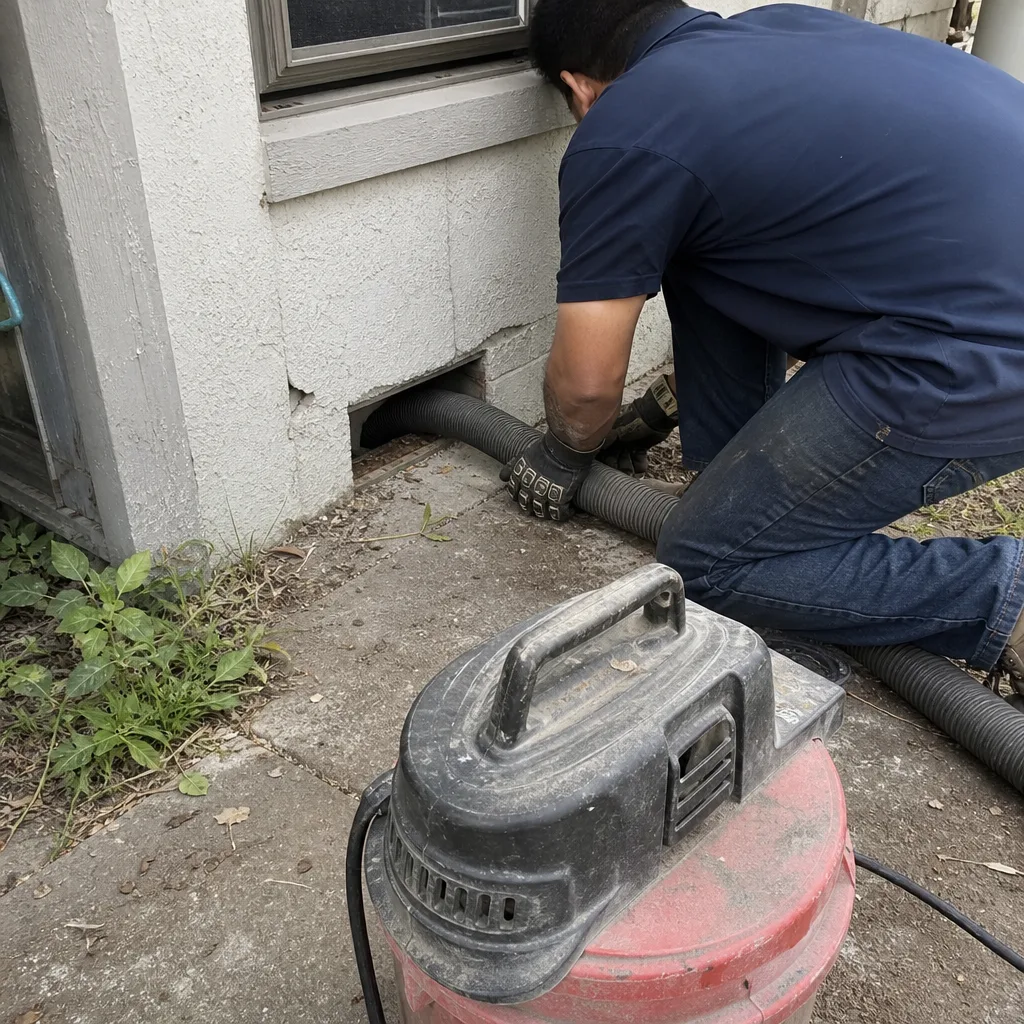
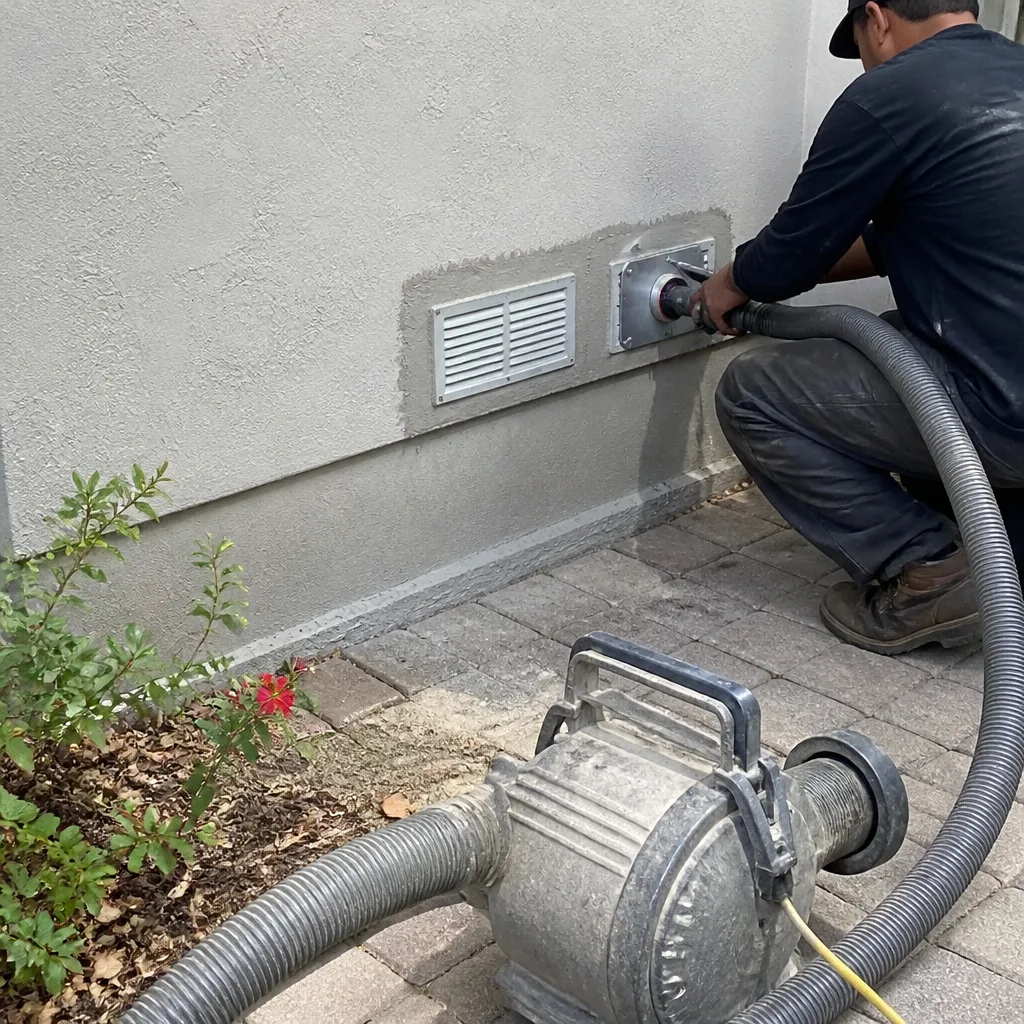
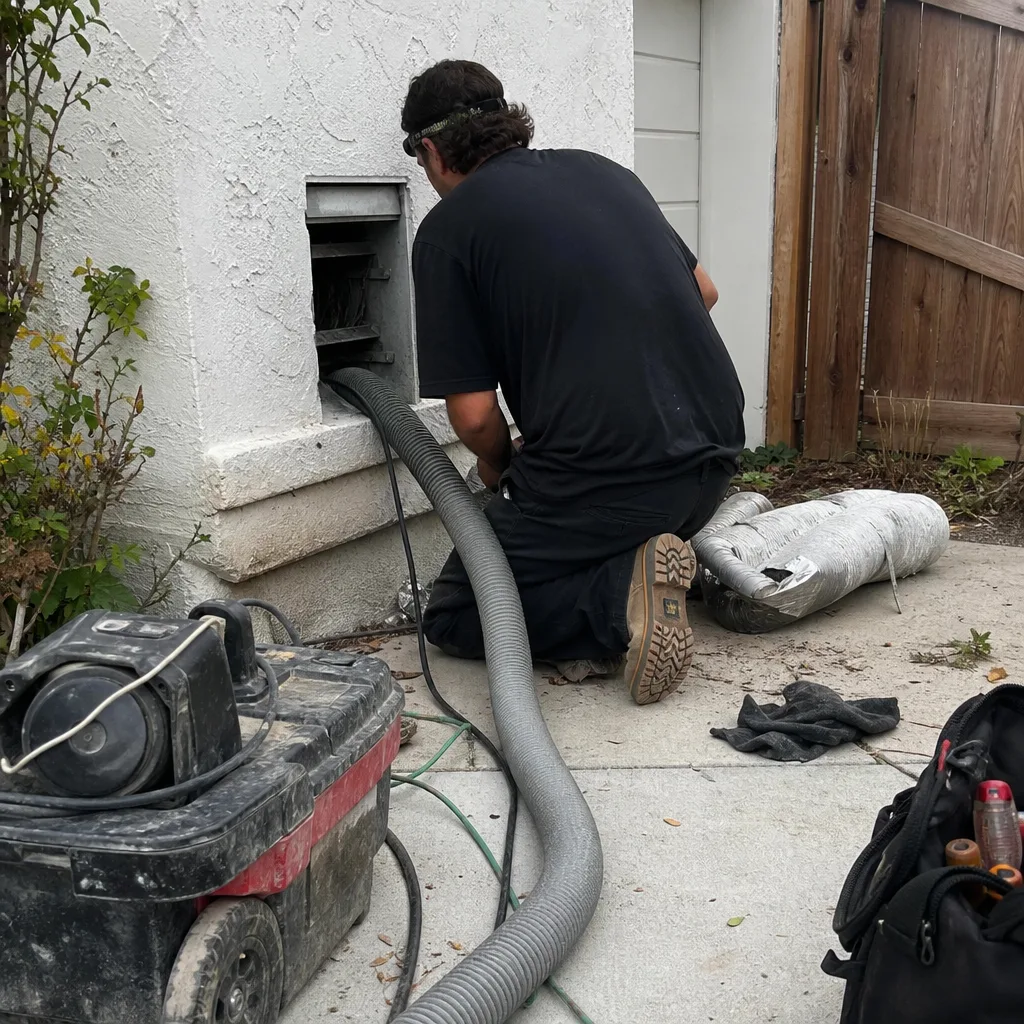
The National Fire Protection Association identifies dryer vent fires as a leading cause of residential fires, and the risk doesn’t decline in coastal climates just because the weather is mild. The ignition risk is the same: lint is combustible, airflow restriction raises dryer operating temperature, and the combination is dangerous. If you want to read more about how we approach dryer vent cleaning in this area, our dedicated Dryer Vent Cleaning in Pacific Beach page covers the process in detail.
For most Pacific Beach households, an annual dryer vent cleaning is the right baseline. Signs that your vent needs attention sooner include: clothes taking more than one cycle to dry, the dryer feeling hot to the touch on the outside, a burning smell while the dryer runs, or visible lint accumulating around the exterior vent hood. If you haven’t had the vent cleaned in two or more years, schedule it now regardless of season. This isn’t a maintenance preference. It’s a fire-safety appointment.
What Healthy Ductwork Looks Like in a Coastal Climate
Most homeowners never look inside their ducts, which makes it hard to know whether the system is in good shape or accumulating problems. In a coastal environment like Pacific Beach, here are the specific indicators to watch for, both visual and behavioral:
- Airflow at each register should feel consistent. If one room always feels stuffier than another, or one vent barely moves a tissue while another blows it sideways, you likely have a blockage, a leak, or a disconnected duct run. This isn’t normal variance; it’s a diagnostic signal.
- The air should not smell like anything. Clean ducts move air, not odor. A musty smell, a burning smell during heating, or a persistent dusty smell all indicate something inside the system that shouldn’t be there.
- Your dust accumulation rate should be predictable. Every home gets dusty, but if you’re dusting surfaces every three days and seeing visible particulate floating in sunbeams, your system is likely redistributing dust from inside the ductwork rather than filtering it out.
- The filter should look gray and evenly loaded after 30-60 days. If it’s spotlessly clean, air may be bypassing the filter through gaps in the housing. If it’s blackened with soot or heavily loaded in only one section, you’re seeing evidence of a specific problem, not normal use.
- Supply registers should be firmly seated. Loose or rattling registers allow conditioned air to escape into wall cavities, and they let unconditioned air from the building envelope into the airstream. In a humid climate, that’s an invitation for condensation and mold growth inside the wall.
When we talk about air duct cleaning in Pacific Beach, we’re talking about restoring the system to a known baseline, not just vacuuming out visible dust. A properly cleaned duct system has predictable airflow, clean liner surfaces, and a filter that loads gradually over its service life rather than suddenly. If your system doesn’t match that description, there’s a physical reason for it, and most physical problems in duct systems are findable and fixable.
Common Mistakes to Avoid
- Using the “3-5 year” rule without checking what your system actually looks like. That schedule assumes dry-climate particulate loading. A Pacific Beach home near the beach with pets and an older system may need cleaning twice as often. A newer sealed home with high-efficiency filtration may be fine at the longer interval. Check the system, not the calendar.
- Ignoring the filter during marine layer season. A damp filter is a loaded filter. If you only change filters quarterly, July is the month your system is working hardest against restricted airflow while simultaneously pulling humid air.
- Running the system during a Santa Ana event without a fresh filter. The single worst time to have a saturated filter is during the period of heaviest particulate loading. A clean filter going into a wind event catches more of what comes through the returns.
- Skipping dryer vent cleaning because the dryer “works fine.” A dryer that’s slowly losing efficiency doesn’t feel broken. It just takes longer. By the time you notice, the vent is already significantly clogged. Annual cleaning prevents the problem rather than responding to it.
- Hiring a duct cleaner based on a low coupon price. Duct cleaning done with a shop vac and a brush doesn’t create negative air pressure through the full duct run. It moves debris around. The price looks attractive until you realize the system wasn’t actually cleaned. One flat price per system agreed before work starts, with before-and-after documentation, is what separates real cleaning from a surface wipe-down.
- Cleaning the ducts but ignoring the return path. The return side of the system is where air enters. If the return ducts aren’t included in the cleaning scope, the system just re-contaminates the supply side within weeks. A proper cleaning treats the full path: returns, supply runs, plenum, and the air handler cabinet.
When to Call a Professional
Some things you can monitor and maintain yourself: filters, register tightness, visual checks after Santa Ana events. But there are specific moments when a professional assessment is the right call. Call if you can see visible dust or debris inside a supply duct when you shine a light in, if the system has a persistent smell that doesn’t clear after a filter change, if one or more rooms have noticeably weak airflow, or if you’ve just completed renovation work that generated dust, paint, or drywall particulate. If your home hasn’t had a professional duct cleaning in four or more years in Pacific Beach, that’s also a good reason to call regardless of symptoms. Fairway Air Duct Cleaning offers free estimates in Pacific Beach, call (866) 241-3526 to schedule one. We use professional Rotobrush and Nikro duct cleaning systems, not hardware-store equipment, and we tell you upfront what the job includes before we start.
Frequently Asked Questions
Most Pacific Beach homes need professional duct cleaning every 2-4 years, not every 3-5. The marine layer’s humidity and the Santa Ana winds’ particulate loading both accelerate accumulation. Homes with pets, older construction, or renovation work should lean toward the shorter interval. Homes that are newer, sealed, and equipped with high-efficiency filtration can safely run longer. The honest answer is to have the system inspected, then decide based on what’s actually inside your ducts. Call (866) 241-3526 for a free estimate and we’ll tell you what we find.
The difference is almost always equipment and scope. A cheap quote typically means a small vacuum attached to a vent, cleaning only the visible supply registers, with no negative air pressure and no containment. That approach doesn’t clean the full duct run and can actually loosen debris that then circulates through the house. Professional systems like Rotobrush and Nikro create negative air pressure through the full duct path and capture what they remove. You’re not paying more for the same service, you’re paying for a fundamentally different service. A flat price per system agreed before work starts is the only way to compare quotes honestly.
Ask for before-and-after photos of the inside of your ducts. A professional cleaning should produce visible documentation showing the interior surface of the supply and return runs before and after the work. If a company can’t or won’t show you before-and-after photos of your own ducts, you have no way to verify what was done. We photograph every job and walk through the results with the homeowner before we leave.
It depends on your home. If you live in a newer sealed building with a well-designed HVAC system, the marine layer’s effect on your ducts is minimal. If you live in an older Pacific Beach cottage with a crawl space return, the effect is real and measurable. Coastal humidity enters unconditioned spaces, gets pulled into the return path, and settles in duct liner overnight. Over weeks of repeated exposure, that moisture combines with accumulated dust to create conditions that don’t exist in drier inland climates. The solution isn’t to panic; it’s to clean the system before marine layer season and monitor filters during it.
Late March through early May is the ideal window. The Santa Ana season is over, the marine layer hasn’t arrived, and the system isn’t under heavy cooling load yet. A spring cleaning means a clean system entering the most humid stretch of the year. If you missed spring, the second-best window is mid-October, after the first Santa Ana events have passed.
You can clean visible register covers and replace filters, but you can’t reach the interior surfaces of the duct runs without professional equipment. A household vacuum doesn’t create negative air pressure through the full system, so it leaves the fine particulate that matters most sitting in the duct runs. The value of professional cleaning is full-path negative air with proper containment. If you’re concerned about what’s inside your ducts, a professional assessment is the right first step. If you’re only dealing with visible dust on register faces, a damp cloth and a fresh filter are the right tools.
The Bottom Line
Pacific Beach homeowners don’t need a different duct cleaning schedule for each month. They need to understand the two weather patterns that actually move the needle: the marine layer’s humidity from May through July, and the Santa Ana winds’ particulate from September through November. Everything else follows from that. Clean the system in early spring before humidity season, check filters monthly during the high-stress months, get dryer vents cleaned annually regardless of season, and use before-and-after photos to verify any work that’s done. If you want a professional assessment of your specific system, we’re happy to take a look. Fairway Air Duct Cleaning home covers our full service area, and our air duct repair services in Pacific Beach address root-cause problems that cleaning alone won’t fix. Call (866) 241-3526 for a free estimate.
Written by the team at Fairway Air Duct Cleaning, serving Pacific Beach since 2014.
See the difference
 Before
 After
 Before
 After
 Before
 After