
Last updated November 3, 2026
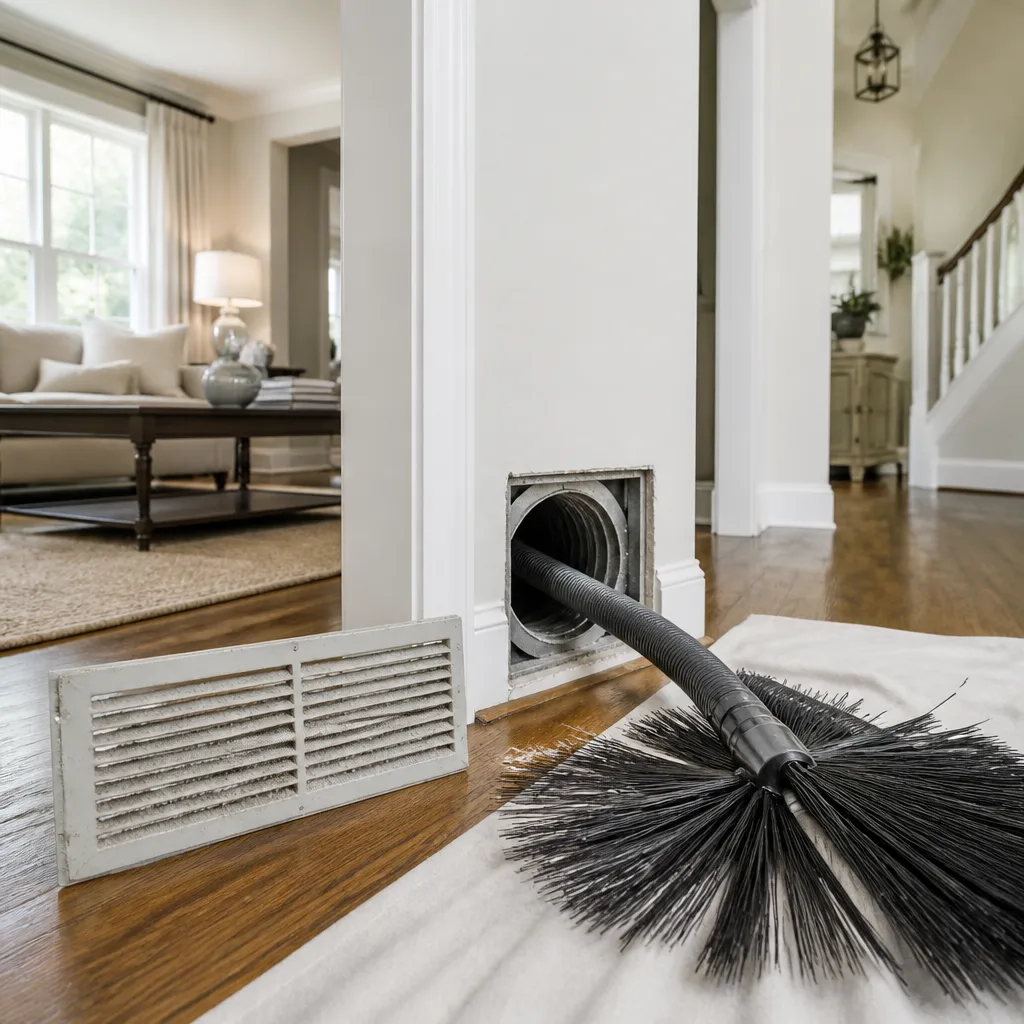 Whole-home duct cleaning
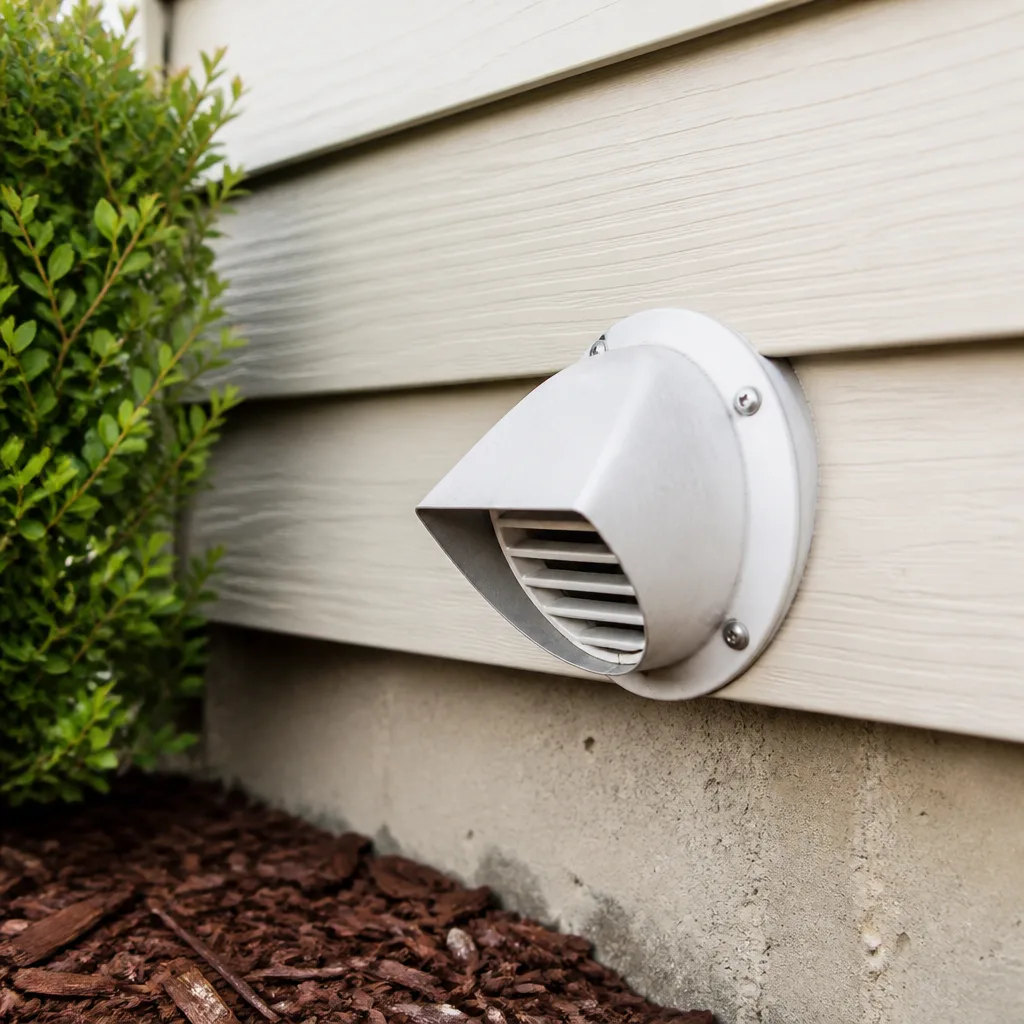 Dryer vent cleaning
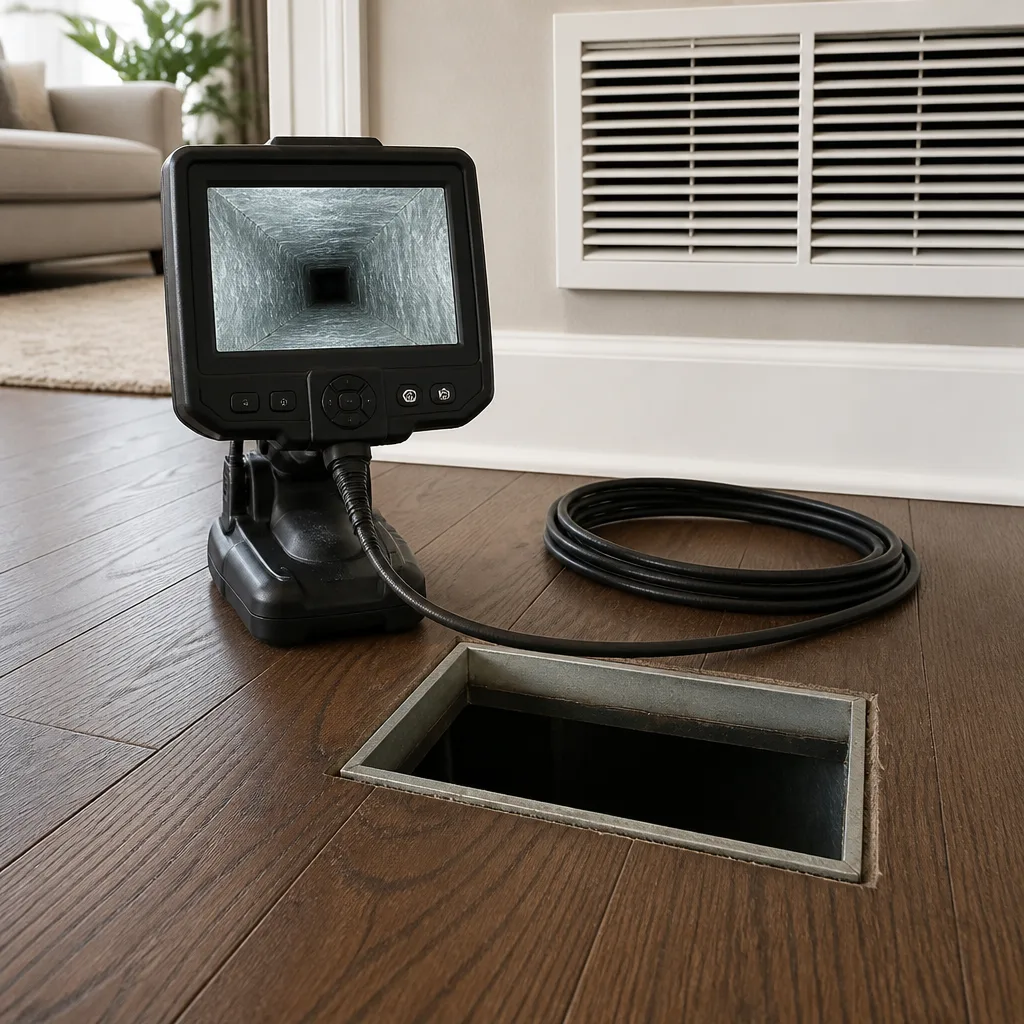 Camera inspection
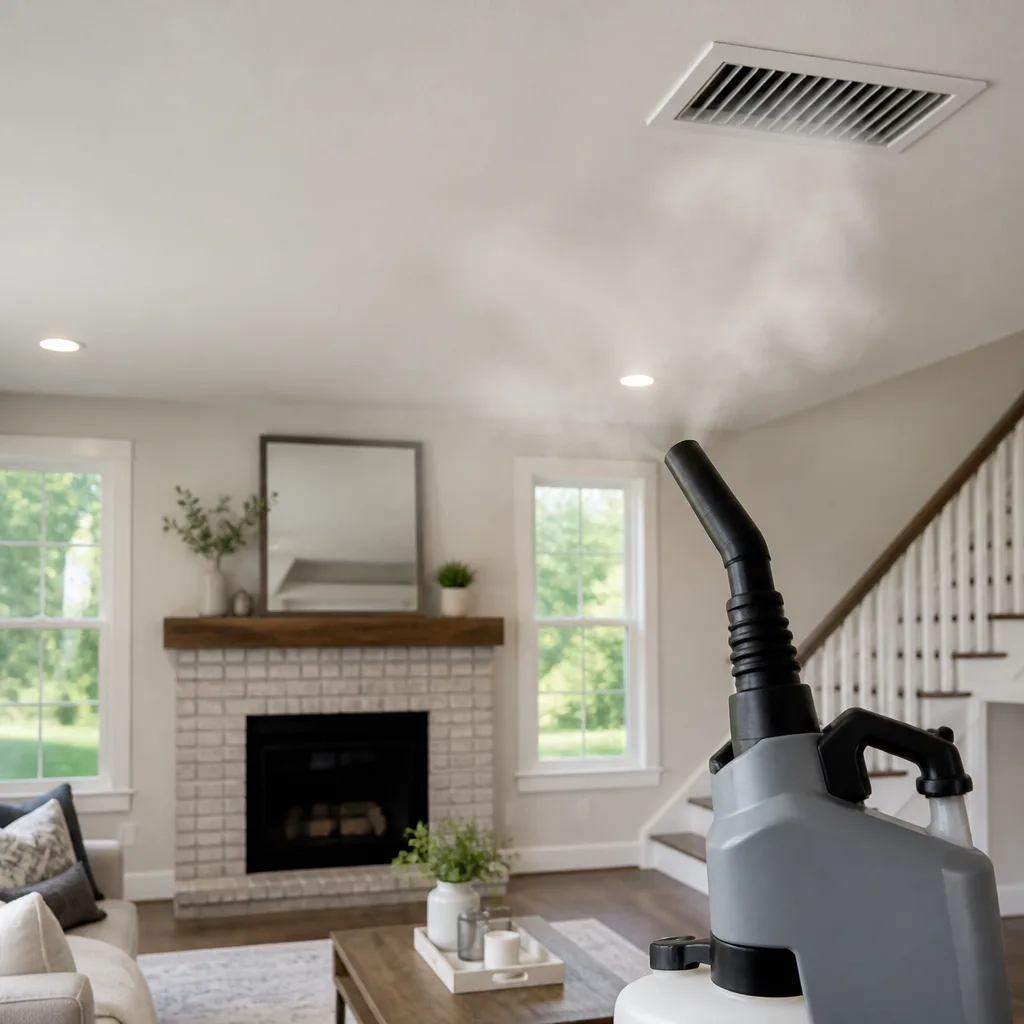 Sanitizing & deodorizing
Whole-system duct and dryer vent check with before-and-after photos - you see exactly what came out of your vents
That "$99 whole-house special" is a bait ad - the real number appears once they are in your hallway, or the "clean" is a shop-vac at the register. We photograph the inside of your ducts before and after instead.
The Complete Air Duct Cleaning Guide for Pacific Beach Homeowners
Pacific Beach sits within a mile of the ocean for most of its neighborhoods. That salt-laden marine layer doesn’t stay outside. It enters your HVAC return every time the system runs, and it interacts with duct surfaces differently than dry inland air ever would. Most duct cleaning guides are written for houses in Phoenix or Dallas. They’re nearly useless here. For a deeper dive, see The Complete Guide to Air Duct Cleaning in Pacific Beach. This guide is built around what Pacific Beach homes actually face: coastal humidity, fine airborne salt, old flex duct, and the specific ways those factors combine. You’ll learn what to clean, when to clean it, what equipment matters, and how to verify the work was actually done.
Styles & brands we work with
- Whole-home duct cleaning
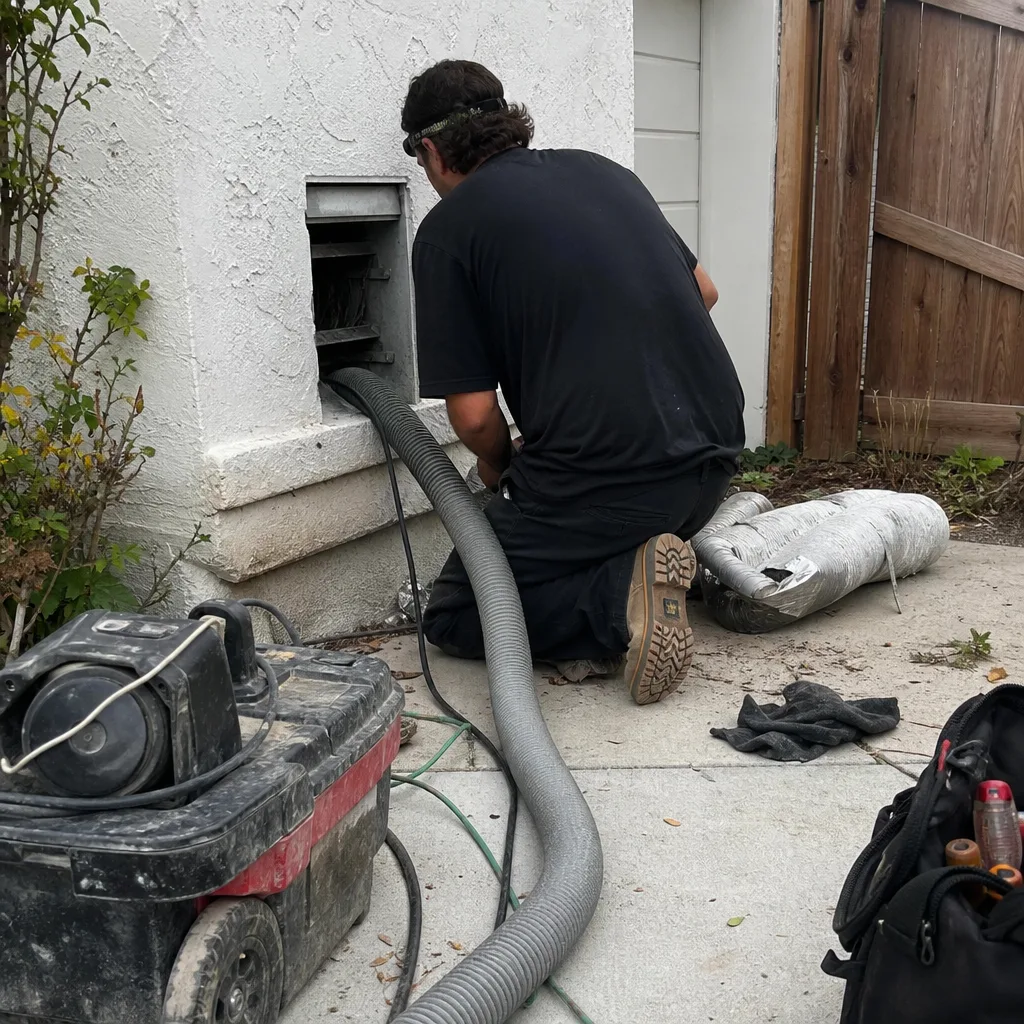
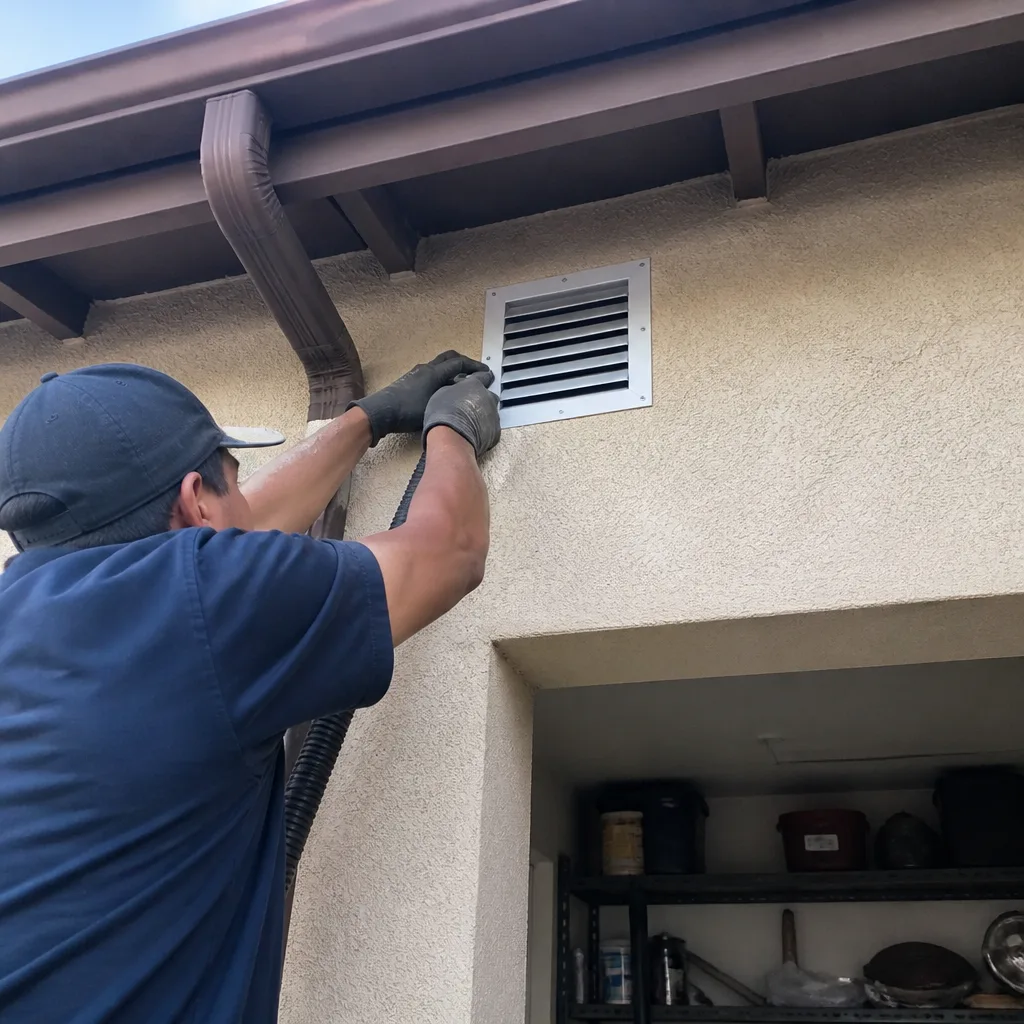
- Dryer vent cleaning
- Camera inspection
- Sanitizing & deodorizing
Quick Answer
Air duct cleaning in Pacific Beach CA typically costs between $450 and $900 for a full system, depending on home size, number of returns, and duct material. Homes built between 1960 and 1985, common in PB’s North Pacific Beach and Crown Point neighborhoods, often need more attention because their original flex duct has spent decades absorbing coastal moisture. A legitimate cleaning uses negative-pressure source-removal equipment, not a consumer shop vacuum, and the job should end with photographic proof of every main trunk line. To learn about our Air Duct Cleaning services, contact our team.
Table of Contents
- Why Pacific Beach Homes Need Different Duct Cleaning
- How Coastal Humidity Changes Your Ducts
- The Three Duct Materials Found in Pacific Beach Homes
- What Professional Duct Cleaning Actually Does
- When Cleaning Is Enough vs. When You Need Repair
- How to Verify the Job Was Actually Done
- What Duct Cleaning Costs in Pacific Beach
- How Often Should You Clean Your Ducts?
- Common Mistakes to Avoid
- When to Call a Professional
- Frequently Asked Questions
- The Bottom Line
Why Pacific Beach Homes Need Different Duct Cleaning
Pacific Beach isn’t one housing market. It’s at least three, and each one has a distinct duct profile. The 1920s and 1930s beach cottages near Crystal Pier and along Mission Boulevard often have sheet metal ducts added decades after original construction, retrofitted through tight crawl spaces. The 1960s through 1980s tracts in North PB and the area around Kate Sessions Park typically have flex duct: insulated, flexible tubing that was affordable at the time but degrades in ways we’ll get into. The newer builds and remodels, especially in the La Jolla-facing hills, may have modern insulated flex or rigid duct with proper sealing. Your house’s decade tells you more about what’s in your walls than any generic advice will.
What all Pacific Beach homes share is the marine layer. It’s not just humidity. It’s airborne salt, fine sand particulate, and moisture that condenses on cool duct surfaces. When your AC cycles, warm coastal air hits cold sheet metal or flex liner. Condensation forms. That moisture traps dust, sand, and salt against the duct walls. Over time, that layer builds. Inland homes deal with dry dust. PB homes deal with a damp, adhesive film that consolidates into a paste-like coating. That’s why cleaning methods matter so much more here. A brush that works fine in a dry Arizona duct just smears the paste around in a PB duct.
We’ve worked on homes all through Pacific Beach, from the Surf and Stream streets to the alleys off Turquoise. The pattern is consistent. Homes within a half-mile of the water show significantly faster particulate accumulation and more moisture-related duct liner degradation than homes east of Ingraham Street. The ocean proximity is the single biggest variable in how your ducts age. That’s not a marketing line. It’s what the inside of the ducts looks like.
How Coastal Humidity Changes Your Ducts
The specific problem in Pacific Beach is deliquescence. That’s the process where salt particles absorb moisture from the air and become a liquid solution. Marine air carries fine salt aerosol. When it settles inside your ducts, those salt particles absorb humidity every time the marine layer rolls in. The result is a thin saline film coating the interior of your ductwork. Dust and pollen stick to it. Mold spores land on it and find enough moisture to germinate. Over months and years, that film becomes a substrate for biological growth and consolidated debris.
In our work across Pacific Beach, we consistently see three related problems in coastal ducts that inland technicians rarely encounter:
- Salt-catalyzed corrosion: Sheet metal ducts, especially older galvanized runs, show accelerated oxidation. The salt acts as an electrolyte, and the constant moisture cycling means rust appears years earlier than it would in a dry climate.
- Damp dust consolidation: Loose dust becomes a caked, adhered layer. It won’t come out with a basic air sweep or a hand brush. It requires mechanical agitation paired with continuous negative pressure.
- Mold spore concentration: This doesn’t mean every PB duct has visible mold. It means the conditions for mold germination exist more often here than almost anywhere else in San Diego County. A duct system that stays damp is a system where spores can establish.
What this means practically: if you live in Pacific Beach and you haven’t had your ducts professionally cleaned in the last five years, assume the interior surfaces have a film that ordinary cleaning methods won’t remove. The question isn’t whether there’s buildup. It’s what kind and how much.
The Three Duct Materials Found in Pacific Beach Homes
Your ducts are made of one of three materials, and coastal Pacific Beach humidity treats each one differently. Knowing what you have changes what cleaning approach is safe and what you should expect from a professional.
1. Flex Duct
Flexible duct is a wire coil wrapped in plastic liner and covered with fiberglass insulation and a foil or plastic outer jacket. It’s the most common duct material in Pacific Beach homes built from the 1960s through the 1990s. The plastic inner liner is the problem. In high-humidity environments, the liner becomes brittle. It cracks. It develops pinhole tears where the wire coil rubs against it. Once the liner breaches, fiberglass insulation particles enter the airstream, and moisture wicks into the insulation layer itself. We see this constantly in PB’s older tracts. A 40-year-old flex duct in a house two blocks from the ocean is often at the end of its service life. Cleaning can remove surface contamination, but if the liner is compromised, cleaning alone won’t fix the problem.
2. Fiberglass Duct Board
Duct board is rigid fiberglass insulation formed into rectangular ducts. It’s common in some PB homes from the 1970s and 1980s, and it’s the material most vulnerable to coastal moisture. The interior surface is raw or coated fiberglass. When that surface gets damp, it holds moisture for extended periods. Mold can grow into the porous material, not just on top of it. Cleaning duct board requires specific methods. Aggressive brushing can damage the surface and release fiberglass particles. In some cases, the interior surface is so degraded from years of moisture cycling that the only real fix is replacement or air duct repair. That’s not a cleaning issue. That’s a material failure issue.
3. Sheet Metal
Sheet metal ducts are the most durable and the most cleanable. They’re found in older PB homes and in many newer installations. Bare galvanized metal handles moisture better than flex liner or duct board, but it’s not immune. Salt-laden air accelerates oxidation, and the seams and joints in older metal ducts are rarely sealed properly. Those gaps pull unfiltered air from crawl spaces and wall cavities. Sheet metal ducts respond well to aggressive mechanical cleaning with rotating brushes and compressed air, making them the most straightforward to fully clean. If you have sheet metal ducts, a thorough cleaning can return them to nearly new condition. That’s rarely true for old flex or degraded duct board.
What Professional Duct Cleaning Actually Does
Let’s be direct about what a real duct cleaning is and isn’t. It isn’t running a vacuum hose into a vent and calling it done. It isn’t fogging a deodorizer through your registers. It isn’t a $99 special that takes 45 minutes. A legitimate duct cleaning in Pacific Beach uses negative-pressure source removal. That’s the method specified by the National Air Duct Cleaners Association, and it’s the only method that effectively removes the consolidated, salt-caked debris common to coastal ducts.
Negative-pressure source removal works like this:
- Containment: The technician seals off each register and creates a vacuum connection at the main trunk line. The system is brought under negative pressure so that dislodged debris is pulled toward the vacuum, not pushed into your living space.
- Mechanical agitation: Rotating brushes, compressed air whips, or other agitation tools are fed through each duct run. This is what breaks the adhered film loose from the duct walls. Equipment from Rotobrush and Nikro is purpose-built for this. These are systems designed specifically for duct cleaning, not shop vacs with a hose attached.
- Capture: The negative pressure continuously pulls loosened debris into a HEPA-filtered collection unit. Abatement Technologies makes containment and air scrubber equipment used to ensure the fine particulate doesn’t re-enter the home.
- System review: After the duct work is cleaned, a technician should inspect the system. This is where problems get found: a disconnected flex run, a rusted section, a liner crack, a return that was never properly sealed.
The equipment matters, and not all duct cleaning companies in San Diego use the same tools. Rotobrush systems are designed for residential flex and sheet metal ducts. Nikro offers industrial-grade vacuum and agitation systems. These aren’t interchangeable with consumer equipment. A company that shows up with a hardware store vacuum and a hose is not doing the same job, regardless of what the invoice says. Our own work at Fairway Air Duct Cleaning home is built around this equipment specifically because Pacific Beach ducts need it.
If you’re evaluating a company, ask two questions. What brand of cleaning system do you use? And how do you control the debris you’re removing from my home? The answers tell you more than any review or price quote.
When Cleaning Is Enough vs. When You Need Repair
This is the section most guides skip, and in Pacific Beach it’s the difference between paying for a service that actually helps and paying for one that can’t. Cleaning removes surface contamination. It cannot restore damaged material. If your duct liner is cracked, your insulation is wet, or your sheet metal has rusted through, cleaning will not fix those problems, and in some cases, aggressive cleaning makes them worse.
Here’s how to know the difference before you pay:
- Cleaning is sufficient when: The duct material is intact; the contamination is surface-level dust, salt film, or debris; the system is generally sealed; and airflow issues stem from buildup rather than restriction or leaks. Most homes in Pacific Beach with ducts under 20 years old fall into this category, assuming they’ve had regular filter changes.
- Repair is required when: Flex duct liner is cracked, torn, or visibly sagging; duct board is water-stained, moldy, or crumbling; sheet metal has rusted pinholes; duct joints have separated; or insulation is wet. These are structural problems. No amount of cleaning fixes them, and a company that cleans them without telling you is taking your money for work that won’t last.
- Replacement is required when: Flex duct from the 1960s to 1980s has degraded to the point that the liner is failing in multiple locations. At that point, the material cost of patching exceeds the cost of new duct. We see this regularly in Pacific Beach’s older homes, especially those within walking distance of the beach.
The honest approach is a two-step evaluation. First, inspect. Then, clean or repair as indicated. If a company quotes you a cleaning price without looking at the duct material and its condition, that’s a red flag. They’re selling a service, not solving a problem.
Because we handle Air Duct Repair in Pacific Beach as a distinct service, we’re not incentived to clean a duct that needs fixing. Our technicians evaluate the material condition during the cleaning process and can address issues that would otherwise require a second contractor. That’s the difference between a specialist and a generalist.
How to Verify the Job Was Actually Done
The duct cleaning industry has a reputation for a reason. The work happens inside walls, out of sight. Unscrupulous operators have exploited that for decades: a quick vacuum at the registers, an invoice, and a homeowner who has no way to confirm anything happened. In Pacific Beach, where the buildup is often more difficult to remove than dry climate dust, this matters even more.
Here’s what a verifiable, legitimate duct cleaning looks like when it’s done correctly:
- Before and after photos of your actual ducts. Not stock photos. Not generic illustrations. A camera should be fed into the main supply trunk and the return plenum before cleaning starts, and again after the work is complete. You should see the difference. This is non-negotiable, and it’s the single strongest verification method available to homeowners.
- A walkthrough of the findings. After cleaning, the technician should explain what was found: how much debris was removed, what condition the ducts were in, whether any repair issues were identified. You shouldn’t have to ask. This should be part of the service.
- Access to the collection unit. A HEPA-filtered collection unit fills with the debris removed from your home. You should be able to see it, or at minimum, be told how full it was. A technician who can’t show you the debris or describe it in specific terms may not have removed much.
- A post-cleaning system check. The registers should be reseated, the filter replaced or at minimum inspected, and the system run through a full cycle. Airflow at the registers should feel measurably different if significant buildup was removed. If there’s no change at all, the cleaning may have been superficial.
Ask about the photo policy before you book. Any legitimate company will say yes. The ones that hedge, demur, or say their camera is “in the shop” are telling you something. Your ducts are accessible. Your contractor should be able to show you what’s in them.
What Duct Cleaning Costs in Pacific Beach
Air duct cleaning in Pacific Beach typically costs between $450 and $900 for a whole-home system. The range is driven by several factors: the number of supply and return runs, the duct material, the level of contamination, and whether the home has one or two HVAC systems. Homes in Pacific Beach are smaller on average than those in, say, Rancho Peñasquitos or Scripps Ranch, but the age of the housing stock and the coastal contamination can offset that size advantage.
Here’s a realistic breakdown of what to expect in San Diego’s beach communities as of 2025:
- Small home or condo (up to about 1,200 square feet, 6 to 8 runs): $350 to $550
- Typical PB single-family home (1,200 to 2,000 square feet, 8 to 12 runs): $450 to $700
- Larger home or dual-system property (2,000+ square feet, 12+ runs): $600 to $900
- Additional services: Dryer vent cleaning typically adds $75 to $150; air duct repair or replacement is priced per scope of work after inspection
If you’re quoted significantly less than these ranges, ask what the quote includes. A $200 duct cleaning in Pacific Beach is either a loss leader designed to upsell you on something else, or the company is not doing source-removal cleaning. Neither is a good deal. The labor, equipment, and time required to properly clean a coastal duct system simply can’t be delivered at those prices.
One legitimate variable: Pacific Beach’s older homes with crawl space access. If your furnace and main trunk line are in a tight, sand-floor crawl space, the work takes longer, and the price reflects it. That’s not padding. That’s the reality of retrofitted systems in beach-adjacent construction.
How Often Should You Clean Your Ducts?
The national standard answer is every 3 to 5 years, but Pacific Beach coastal conditions shift that timetable for many homes. Here’s a more specific framework, based on what we’ve observed working in the area:
- Homes within a half-mile of the ocean and running AC regularly: Every 2 to 3 years. The salt and humidity exposure is constant, and the buildup accumulates faster than inland homes.
- Homes east of Ingraham with modern sealed ducts and good filtration: Every 3 to 5 years. Standard guidance applies.
- Homes with allergy-sensitive occupants, pets, or recent renovation work: Sooner rather than later, regardless of location. Construction dust, pet dander, and skin cells all accumulate in the system and recirculate continuously.
- After a home purchase: Immediately. You have no idea what the previous owners’ habits were, and most PB resale homes haven’t had a professional duct cleaning in years, if ever.
Filter changes matter for how often you need cleaning. A high-quality pleated filter like those from Honeywell or Aprilaire, changed regularly, will reduce the particulate load entering the system. That’s a meaningful difference in a coastal environment. But filters don’t eliminate the need for cleaning. They reduce the rate of accumulation. They don’t address the salt film and moisture cycle inherent to Pacific Beach air.
Common Mistakes to Avoid
- Hiring on price alone. A $99 duct cleaning special in Pacific Beach is not a bargain. It’s a door opener for upsells, and the actual cleaning is typically superficial. Source-removal cleaning with professional equipment costs what it costs because that’s what the work requires.
- Skipping the inspection after cleaning. You paid for a service you can’t directly observe. Insist on before-and-after photos and a walkthrough. Any company that won’t provide them shouldn’t get your business.
- Cleaning ducts that should be repaired. If your flex liner is cracked or your duct board is water-damaged, cleaning won’t fix it. In some cases, it makes the damage worse. Get a material condition assessment as part of the service.
- Ignoring the return side. The return ducts pull air from your living space through the filter, so they catch a lot of particulate. Many cheap cleanings focus on the supply registers and skip the return runs entirely, leaving half the contamination in place.
- Assuming a filter change equals a duct cleaning. A filter catches what’s entering the system. It does nothing for what’s already accumulated inside your ducts. Both matter. They’re different jobs.
- Forgetting the dryer vent. Dryer vents are a separate system from your HVAC ducts, and they’re a fire hazard if ignored. Lint accumulation is the leading cause of dryer fires, and beach homes with frequent laundry from guests and surf gear loading see faster buildup. Dryer Vent Cleaning in Pacific Beach is a dedicated safety service, not an add-on.
- Using a generalist when a specialist is needed. A plumber or general HVAC company that offers duct cleaning as an adjunct service is not the same as a company that has invested in dedicated duct-cleaning equipment and training. The difference shows up in the results, and in a coastal environment like Pacific Beach, the results gap widens considerably.
When to Call a Professional
Call a professional if you can see dust blowing from your registers when the system runs, if there’s visible mold on or around vent covers, if rooms in your home consistently smell musty or stale, or if you’ve recently completed renovation work that generated significant dust. Also call if you’ve purchased a home and have no record of prior duct maintenance, or if you have family members with allergies or respiratory conditions that worsen indoors. And if you haven’t had your dryer vent cleaned in more than a year, that’s a separate safety issue requiring its own appointment. Air Duct Cleaning in Pacific Beach is our core service, and we offer free estimates. Call (866) 241-3526 to schedule an evaluation.
Frequently Asked Questions
Most Pacific Beach homes pay between $450 and $700 for a full-system cleaning. Smaller condos and beach cottages run $350 to $550, and larger or dual-system properties can reach $900 or more. Be wary of any quote significantly below those ranges. In coastal San Diego, the labor and equipment required for proper source-removal cleaning simply can’t be delivered at bargain pricing. Call (866) 241-3526 for an exact quote on your home, and we’ll explain what the price includes before any work begins.
Cheaper quotes usually come from companies doing a superficial register vacuum rather than full negative-pressure source removal. Some low-price outfits use basic shop vacuums instead of purpose-built duct cleaning equipment, and many skip the return side or the main trunk line entirely. Others use the low price as a lead generator and then upsell services once they’re in the home. In Pacific Beach, where coastal salt and humidity create tough-to-remove buildup, a cheap cleaning often leaves the actual problem in place. You get what the equipment and method can actually deliver.
The single best verification is before-and-after photos of your actual ducts, taken with a camera inserted into the main trunk line. A legitimate company will show you what the interior looked like before cleaning and what it looks like after. Additionally, you should see the debris collected in the vacuum unit, and you should notice a difference in airflow at the registers if significant buildup was removed. If a company won’t provide photos or can’t clearly explain what was found, the cleaning may not have been thorough. Call (866) 241-3526 and we’ll walk you through exactly how our verification process works.
For homes within a half-mile of the ocean, every 2 to 3 years is realistic. The constant salt aerosol and marine humidity accelerate buildup beyond what inland homes experience. Homes further east in Pacific Beach, or with modern sealed ductwork and good filtration, can go 3 to 5 years between cleanings. If you have allergy sufferers in the home, pets, or recent construction dust, move the timeline up. There’s no one-size-fits-all answer, but coastal proximity is the biggest variable.
Not effectively. Consumer duct-cleaning kits and shop vacuum attachments can reach the first few feet of duct from each register, but they can’t access the main trunk line, can’t agitate the adhered salt-and-dust film common in coastal ducts, and can’t contain the debris they do dislodge. More importantly, without professional negative-pressure equipment, DIY attempts often push debris deeper into the system or release it into your home. The ducts in Pacific Beach homes need mechanical agitation and continuous vacuum capture, which is professional-grade work. It’s not about effort. It’s about having the right equipment. For a full comparison, read DIY vs Professional Air Duct Cleaning: The Pacific Beach Homeowner’s Decision Guide.
Mold spore concentration is a legitimate concern in Pacific Beach ducts because the coastal humidity creates germination conditions that dry inland air doesn’t. That said, not every dark dust accumulation is mold, and testing is required to confirm biological growth. What’s certain is that coastal ducts hold moisture more often, and that moisture creates conditions where mold can establish. If you see visible mold growth on register covers or smell persistent mustiness when the system runs, get an inspection. Cleaning can remove surface contamination, but material replacement may be needed if growth has penetrated flex liner or duct board.
The Bottom Line
Pacific Beach homes face duct conditions that inland properties don’t. Salt-laden marine air, constant humidity cycles, and older housing stock combine to create buildup that’s harder to remove and conditions that accelerate material degradation. That means generic duct cleaning advice doesn’t apply. The right approach starts with understanding your duct material, uses negative-pressure source removal with professional-grade equipment, and ends with photographic proof of the work. When ducts are too degraded to clean, repair or replacement is the honest answer. If you’re in Pacific Beach, Air Duct Cleaning in Pacific Beach is a decision that deserves the same attention you’d give any other home system. Get it done right, get proof, and schedule for the conditions you actually live with.
Written by the team at Fairway Air Duct Cleaning, serving Pacific Beach since 2014. Explore more guides & resources on our blog.
See the difference
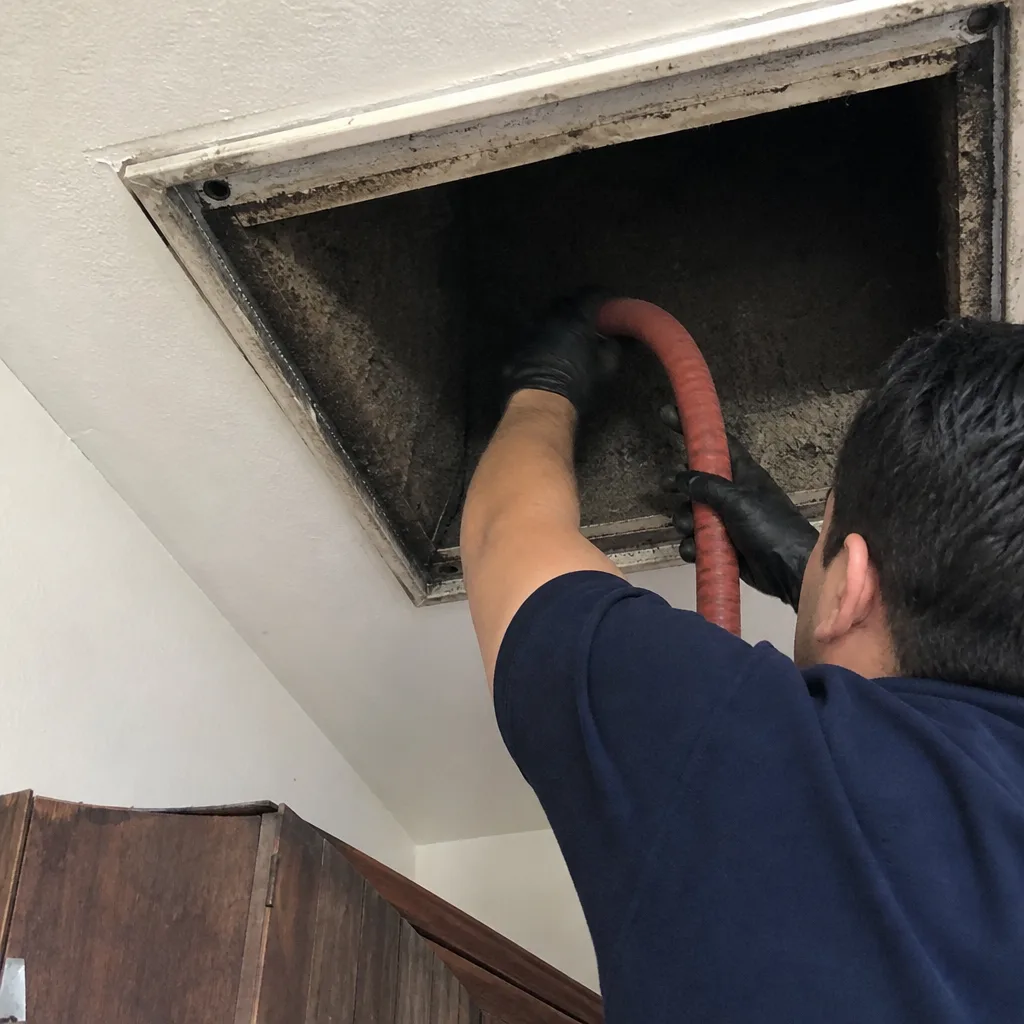 Before
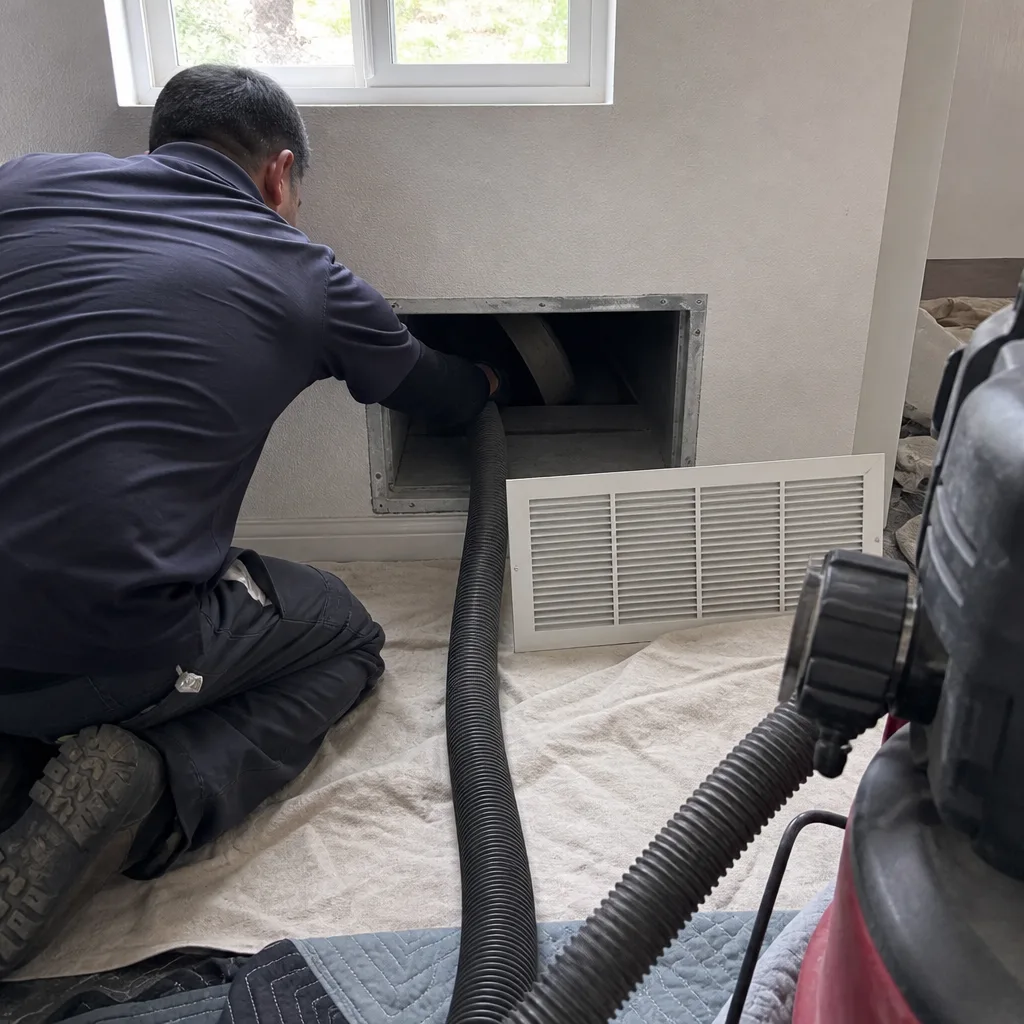 After
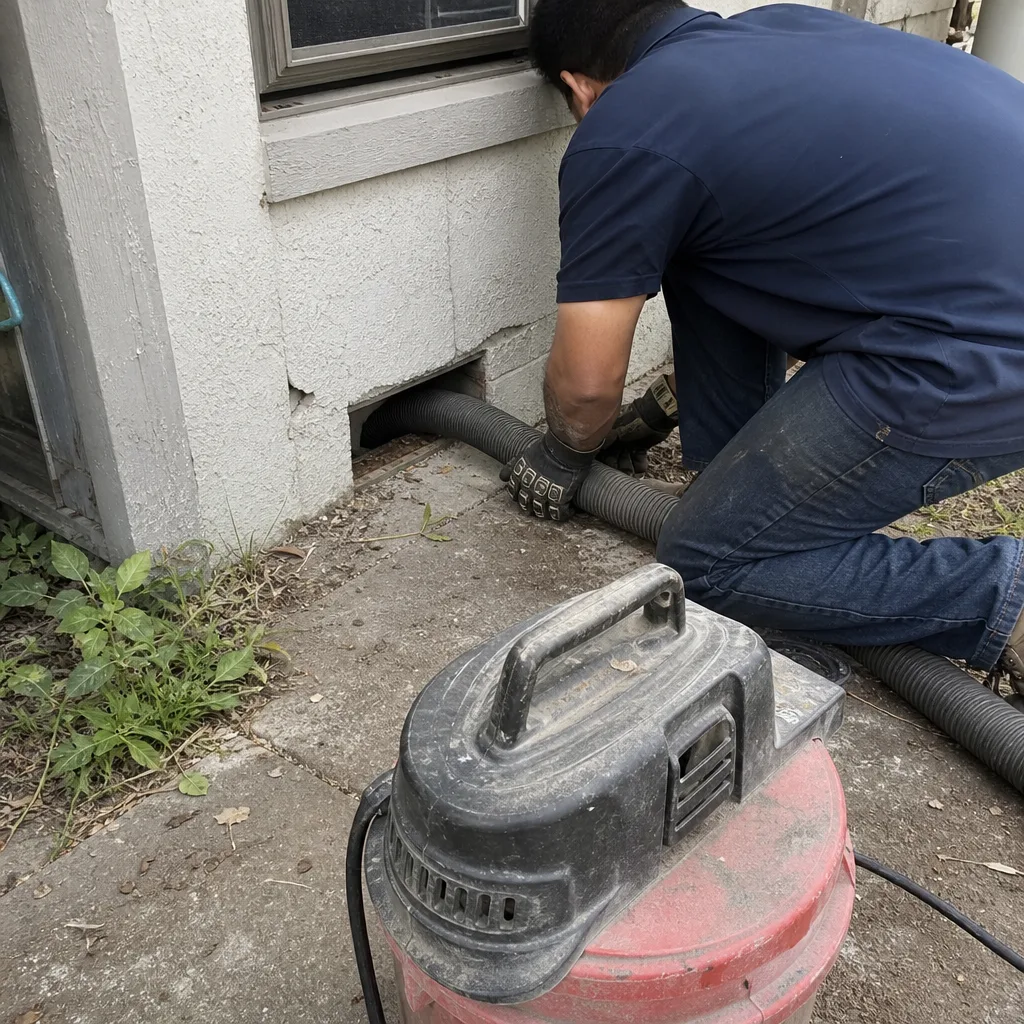 Before
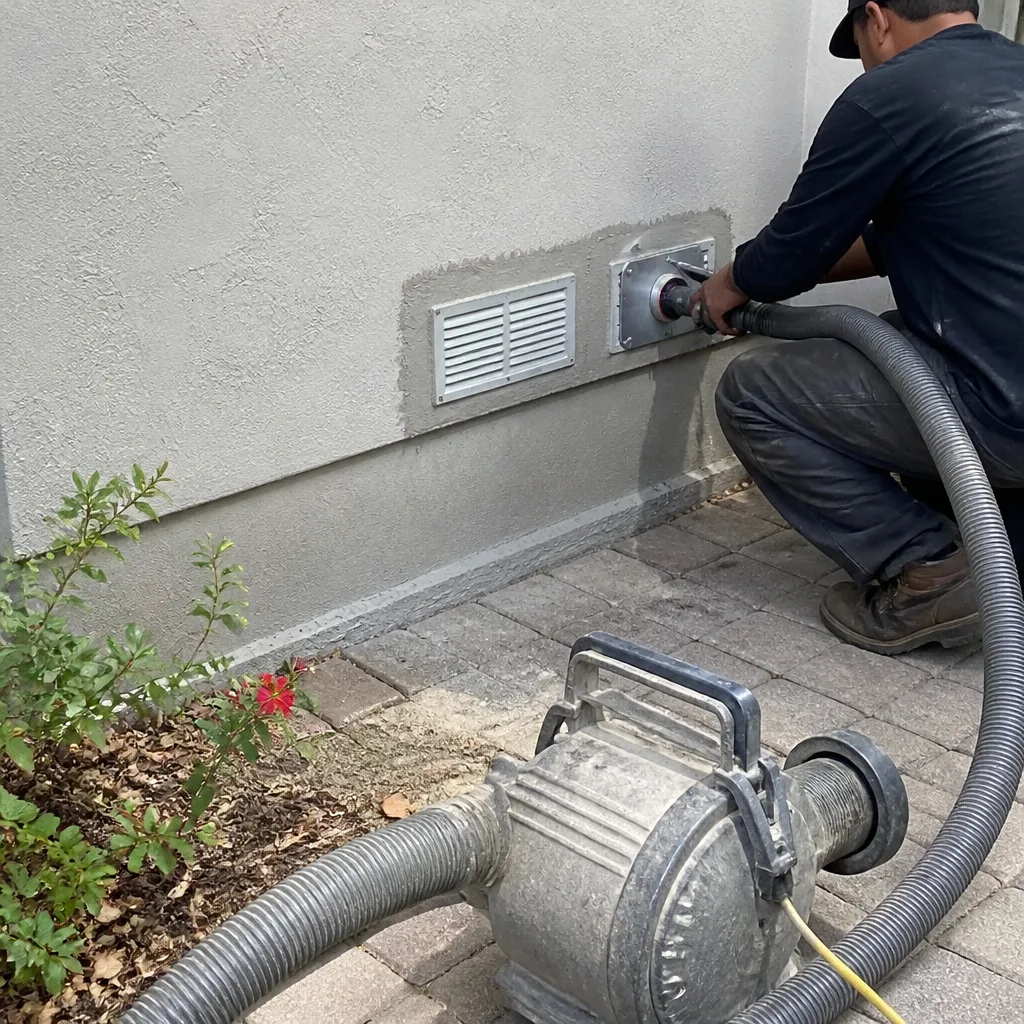 After
 Before
 After