
Last updated November 2, 2026
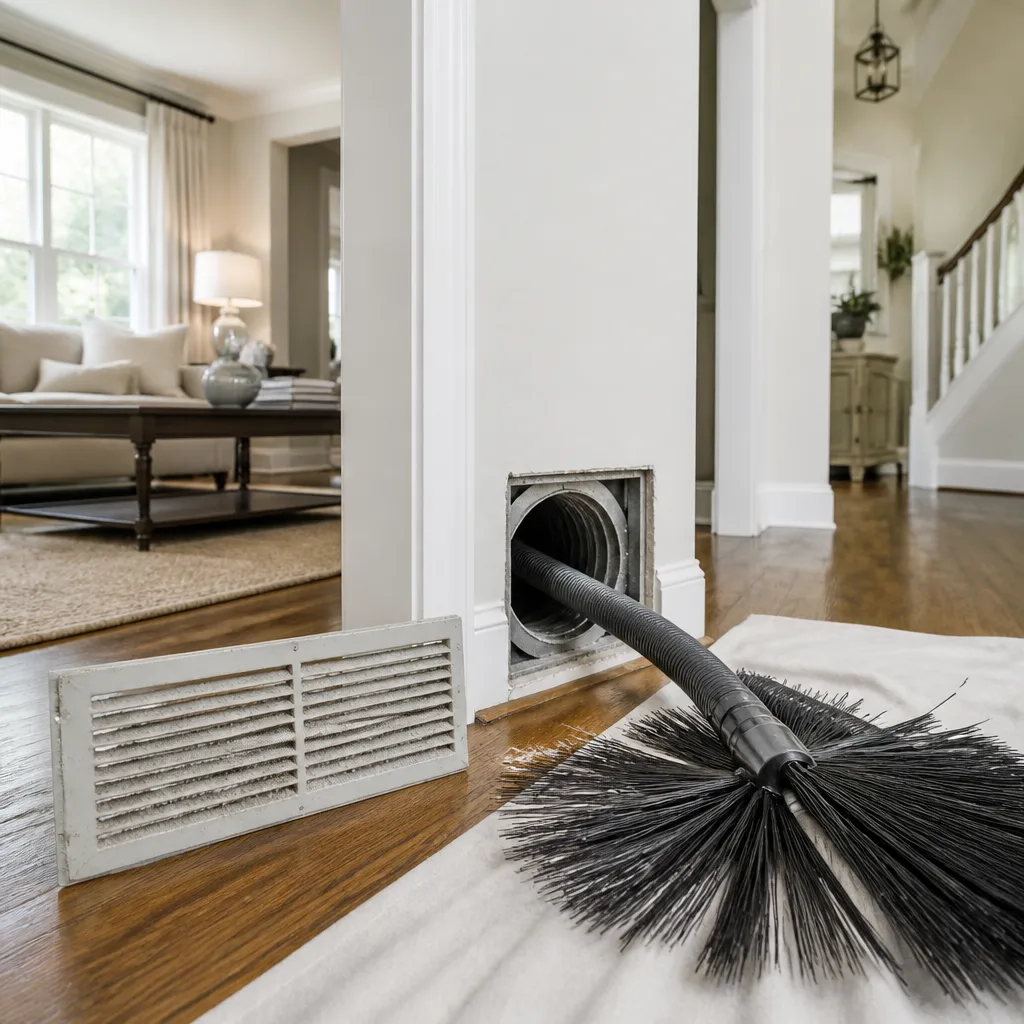 Whole-home duct cleaning
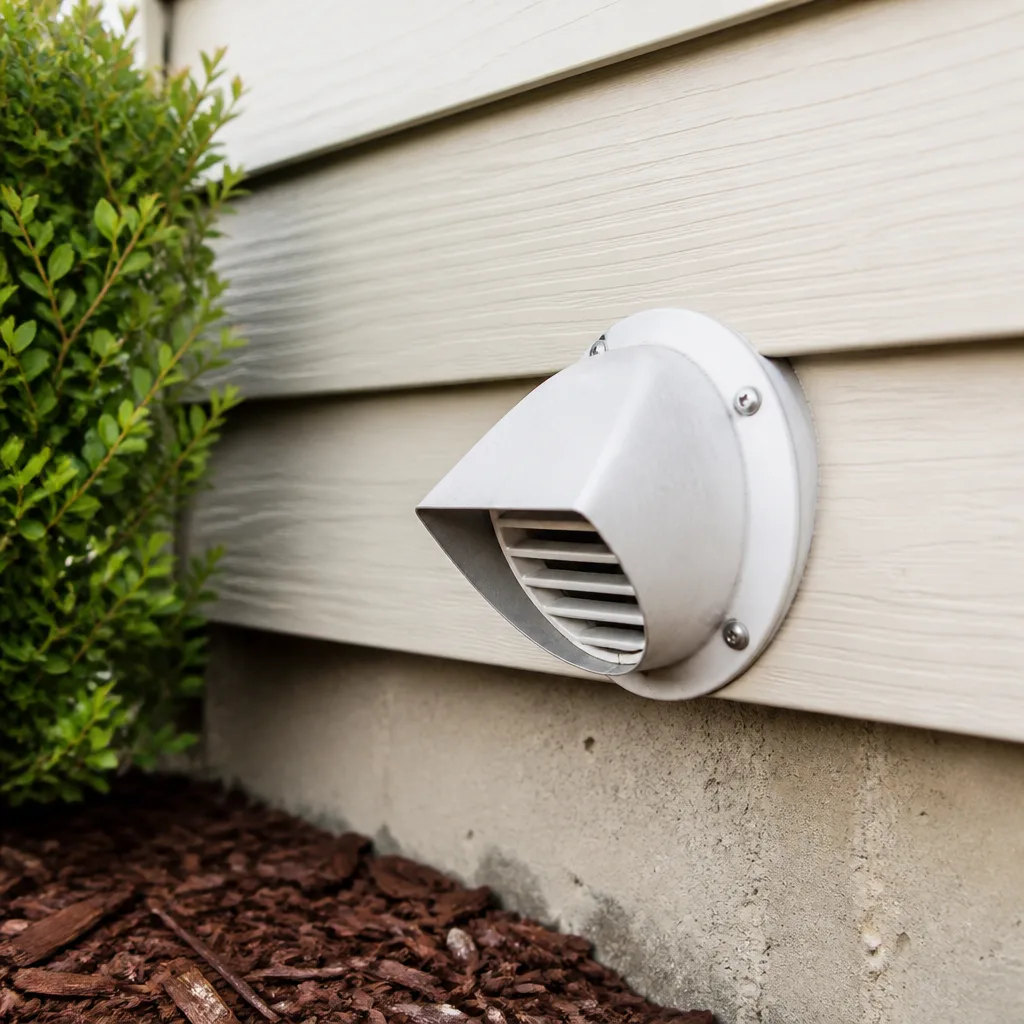 Dryer vent cleaning
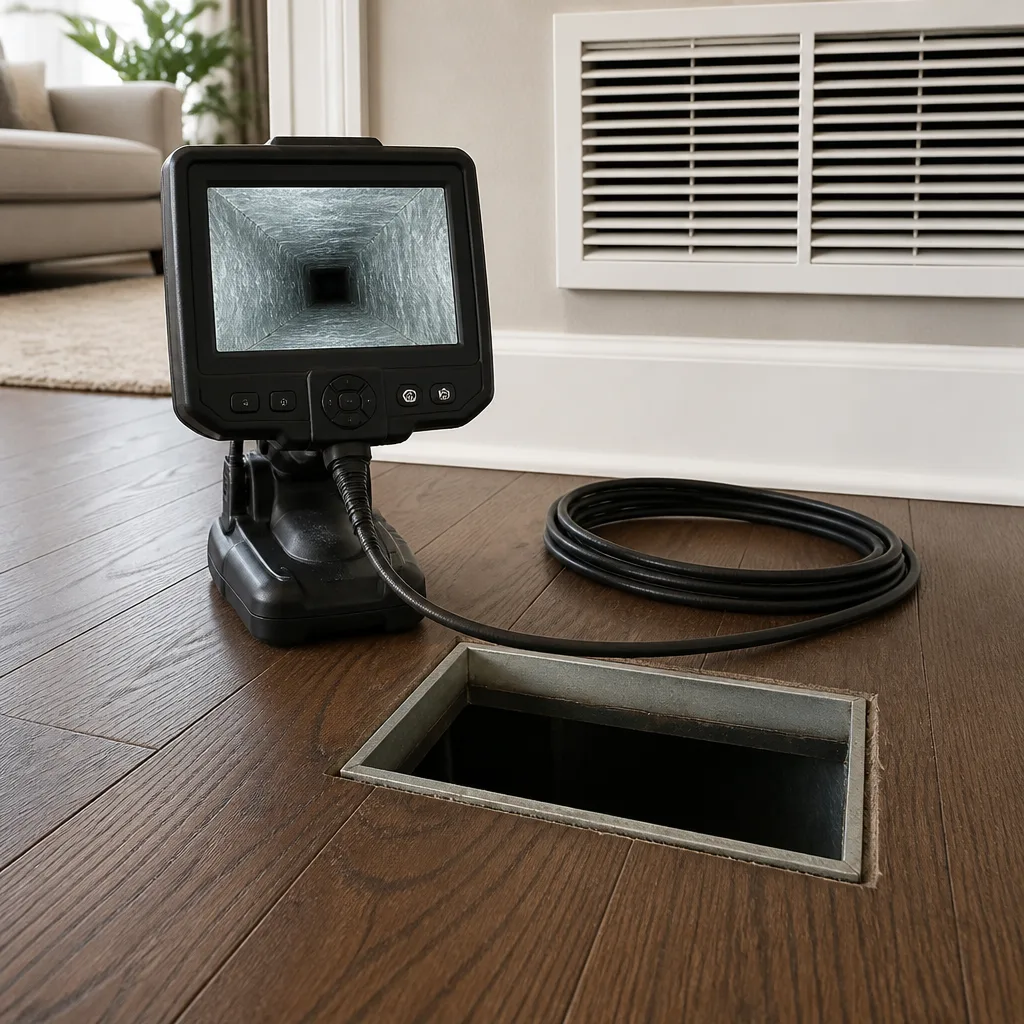 Camera inspection
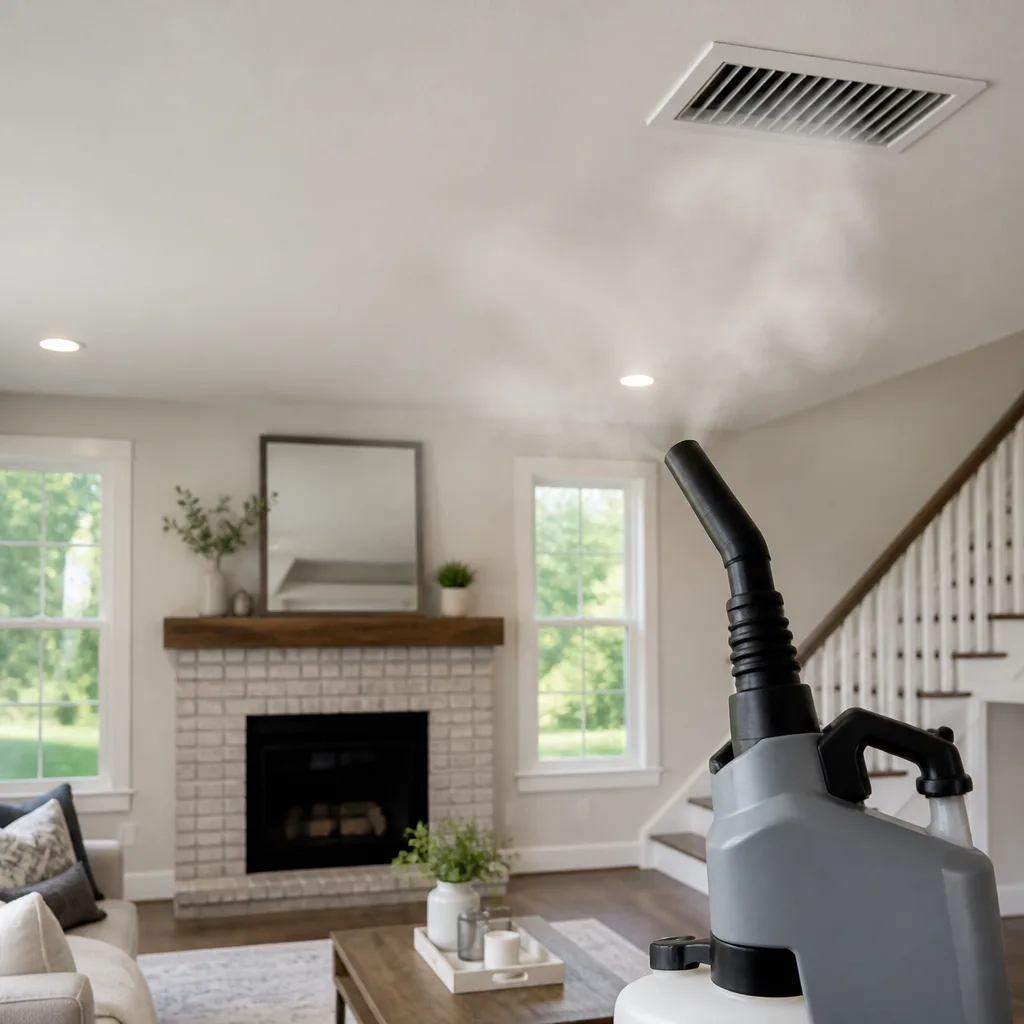 Sanitizing & deodorizing
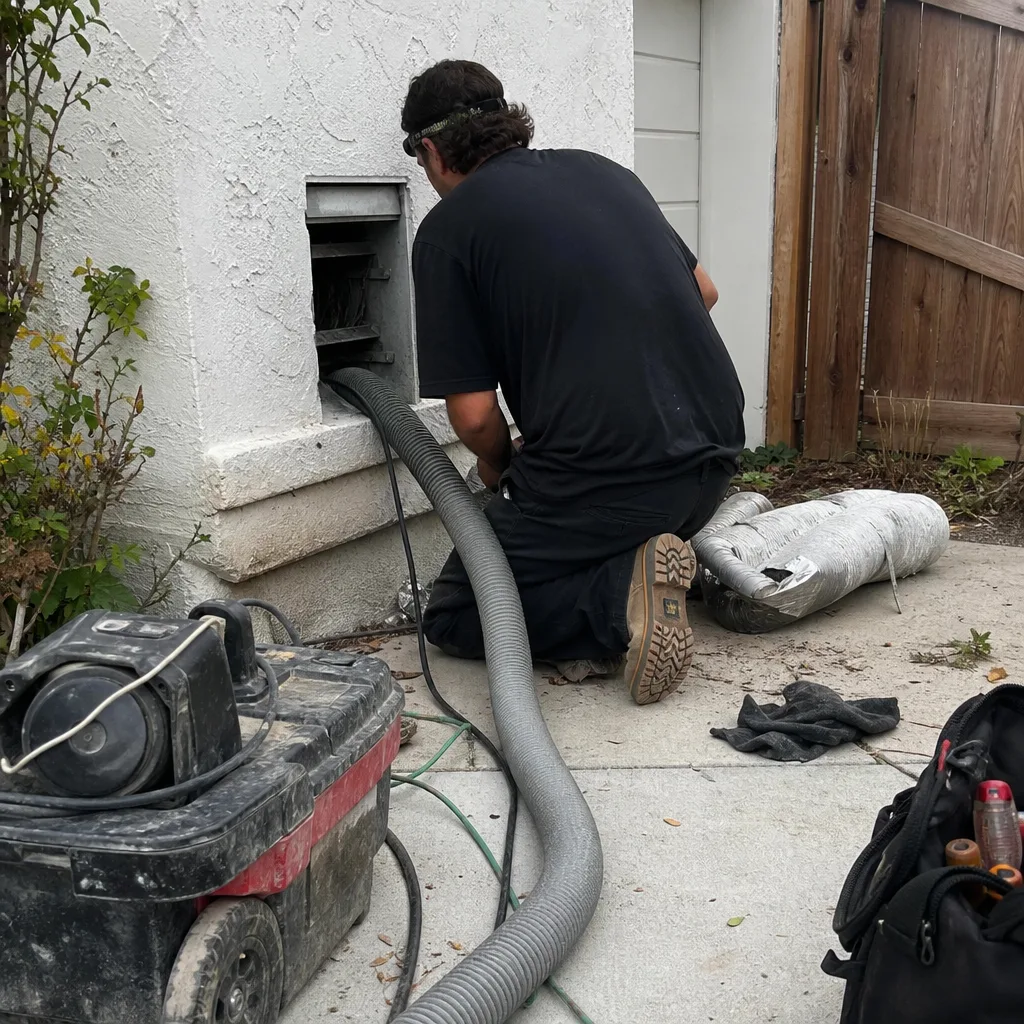
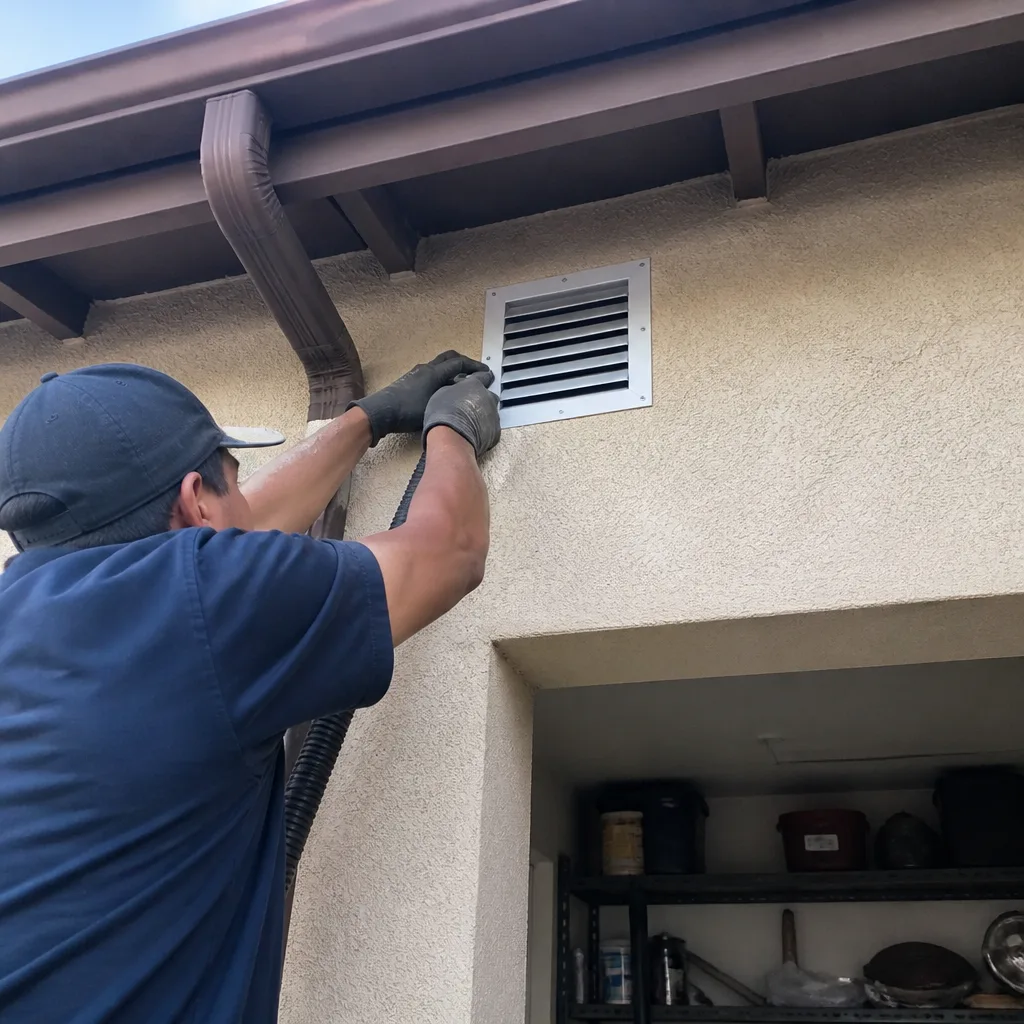
Whole-system duct and dryer vent check with before-and-after photos - you see exactly what came out of your vents
That "$99 whole-house special" is a bait ad - the real number appears once they are in your hallway, or the "clean" is a shop-vac at the register. We photograph the inside of your ducts before and after instead.
Air Duct Cleaning Troubleshooting: Common Problems and How to Fix Them
Replacing your air filter for the fourth time this year and still smelling something musty? The filter isn’t the problem. And continuing to treat it as one means whatever is actually growing or collapsing inside your ductwork keeps doing exactly that. In Pacific Beach, where salt air and coastal humidity push their way into homes year-round, duct systems absorb a beating that inland properties never face. This guide maps real symptoms to their actual mechanical sources, so you stop guessing and start fixing the right problem. You’ll learn how to distinguish cleanliness issues from structural failures, why some cleanings “don’t work,” and when a professional diagnosis is the only path forward.
Styles & brands we work with
- Whole-home duct cleaning
- Dryer vent cleaning
- Camera inspection
- Sanitizing & deodorizing
Quick Answer
Most duct problems fall into one of three categories: contamination inside the duct (dust, mold, debris), structural failure of the duct itself (collapsed flex, disconnected joints, torn insulation), or airflow restriction (undersized returns, closed dampers, blocked coils). The symptom rarely points directly at the cause, which is why odor, weak airflow, and uneven temperatures persist after DIY fixes. The solution starts with identifying which category you’re facing, then applying the correct fix or calling a specialist who uses professional-grade diagnostic and cleaning equipment.
Table of Contents
- Musty vs. Dusty vs. Chemical: What Each Odor Actually Means
- Cleanliness Problems vs. Integrity Problems: Knowing the Difference
- Weak Airflow from One or More Vents: The Real Causes
- Uneven Room Temperatures After a Cleaning
- Post-Cleaning Debris: Normal Settling vs. Re-Contamination
- “It Didn’t Work”: Three Reasons a Cleaning Fails to Produce Results
- Common Mistakes to Avoid
- When to Call a Professional
- Frequently Asked Questions
- The Bottom Line
Musty vs. Dusty vs. Chemical: What Each Odor Actually Means
Your nose is a diagnostic tool, but only if you know what you’re smelling. Different odors inside a duct system point to different failures, and treating them all the same wastes time and money. In Pacific Beach, where marine air keeps moisture levels high through much of the year, we’ve traced countless odor complaints back to three distinct sources. Here’s what each scent tells you.
Musty or Earthy Odor
A musty smell almost always means organic growth somewhere in the duct system. The culprit is rarely the metal duct itself. More often, it’s condensation forming inside flex duct, a damp fiberglass liner, or a pool of moisture sitting in a low section where the duct sags. In coastal Pacific Beach homes, the temperature differential between cool conditioned air and warm, humid attic air creates condensation on the exterior of ducts, which then wicks into insulation and organic debris. If you smell must only when the system runs, the source is inside the airstream. If you smell it constantly, it’s likely residing in the ductwork regardless of airflow.
Dusty or Burnt-Dust Odor
That burnt-dust smell you notice on cold mornings when the heat kicks on for the first time in months? That’s the scent of accumulated particulates burning off the heat exchanger. It’s not dangerous in small amounts, but it signals a duct system carrying a heavy dust load. The dust itself typically enters through leaks in the return side. In Pacific Beach, where many homes date from the 1970s and 1980s, return ducts in crawlspaces or attics often have gaps at joints that pull in unfiltered air, dust, and whatever else floats around those unconditioned spaces. When we run professional-grade negative-air machines from Nikro through systems like these, the amount of fine particulate removed from a single return runs well past what any filter change addresses.
Chemical or Solvent Odor
A chemical smell warrants immediate attention. Sources include a recent renovation (paint, adhesives, sealants), a deteriorating air handler component, or, in rare cases, a contaminant that entered the duct system. If the odor appeared suddenly and coincides with a construction project, the fix may be as simple as running the fan continuously with windows open for several days and replacing the filter. If it persists, stop masking it with air fresheners and get the ducts inspected. Spraying fragrance into a vent treats the symptom while the source continues emitting into the air you breathe.
Key takeaway: Odors never originate from nowhere. Each scent corresponds to a specific failure mode, and identifying the smell correctly points you toward the right fix without guesswork. Our Fairway Air Duct Cleaning home team has diagnosed hundreds of Pacific Beach odor complaints, and the solution almost never involves just cleaning the visible portion of the duct.
Cleanliness Problems vs. Integrity Problems: Knowing the Difference
Before you can fix a duct problem, you have to know whether you’re dealing with dirt in the system or damage to the system. These are entirely different failure modes requiring entirely different fixes. Cleaning a collapsed duct does nothing. Repairing a duct that only needed cleaning wastes money. Here’s how to tell them apart without pulling your house apart.
Signs of a Cleanliness Problem
- Visible dust accumulation around supply registers or on nearby walls and ceilings. This indicates the airstream is carrying particulate, typically from a dirty blower, dirty coil, or dust-laden return duct.
- Filter loads up quickly, turning gray or brown within 30 days. The filter is catching what the ducts should have contained, meaning the source is upstream.
- Allergy symptoms worsen when the system runs. The HVAC is distributing particulate already inside the ductwork.
- Evidence of past construction, like drywall dust or sawdust visible inside vents. Renovation debris sits in ducts for years and gets stirred up every time the blower runs.
Signs of an Integrity Problem
- One specific room never reaches temperature, hot or cold. A disconnected or crushed duct limits airflow to that zone regardless of how clean the system is.
- Whistling or hissing from a particular vent. Air escaping through a gap or torn section makes noise as it leaks into unconditioned space.
- Unexplained high utility bills without a matching change in comfort. Conditioned air leaking into the attic or crawlspace means your system runs longer to compensate.
- Sagging flex duct visible in an attic or crawlspace inspection. Kinked or collapsed flex restricts airflow dramatically.
Homeowners in Pacific Beach face a particular challenge here: many duct systems run through attics that reach 130 degrees in summer. Flex duct degrades faster in that heat, especially the cheaper non-insulated or minimally insulated varieties installed in older construction. When we open an attic in Pacific Beach and find ductwork that’s been cooking for 20 or 30 years, integrity problems are common. That’s why we offer Air Duct Repair in Pacific Beach as a distinct service. Sometimes the right fix is reinforcing or replacing a section of duct, not cleaning what’s left of it.
Weak Airflow from One or More Vents: The Real Causes
Weak airflow is the most commonly misdiagnosed duct problem in residential homes. The homeowner’s first instinct is to close vents in unused rooms or replace the filter again. Sometimes that helps. Usually it doesn’t. Here’s what actually causes reduced airflow, ranked from most to least common in our experience serving Pacific Beach homes.
- Collapsed or kinked flex duct. Flexible ductwork sags over time, especially when installed with insufficient support. A section that compresses from a 10-inch to a 3-inch opening cuts airflow dramatically. In attic spaces that reach extreme temperatures, the inner liner can separate from the insulation and collapse inward. This is the single most common cause of one-room airflow problems we see.
- Disconnected duct joints. Duct sections are connected with mechanical fasteners or tape at installation. Over decades, tape adhesive fails and sections separate. Conditioned air pours into unconditioned space instead of reaching the register. The room gets little air, and the attic or crawlspace gets conditioned air for free.
- Closed or obstructed dampers. Many systems have manual dampers inside the ductwork, installed to balance airflow between floors or zones. If someone closed one years ago and forgot, or if a damper has shifted on its own, an entire branch stays starved for air.
- Dirty blower wheel or evaporator coil. A blower wheel caked with debris moves significantly less air than a clean one. The same applies to a coil packed with dust and pet hair. This is a cleanliness problem that presents as an airflow problem.
- Undersized return ducting. If the system can’t pull enough air back to the blower, it can’t push enough air out. Older Pacific Beach homes often have return ducting sized too small for the system currently installed, or the return count is insufficient for the house’s square footage.
- Crushed duct from storage or construction. Ducts in garages, crawlspaces, or attic areas get crushed by stored boxes, foot traffic, or renovation work. A visual inspection of accessible duct runs often reveals the problem immediately.
The fix for weak airflow depends entirely on which cause you’re facing. Clean the blower and coil if they’re dirty. Repair or replace collapsed duct. Reconnect separated joints. Open dampers. But don’t guess. In our experience, an hour of diagnostic work using airflow measurement tools saves Pacific Beach homeowners from spending money on fixes that don’t address their actual problem. For homes seeking Air Duct Cleaning in Pacific Beach, a pre-cleaning inspection often reveals airflow issues the homeowner didn’t know existed.
Uneven Room Temperatures After a Cleaning
This complaint shows up more often than you’d think: a homeowner pays for duct cleaning, expects comfort improvements, and finds that the upstairs bedroom is still ten degrees warmer than the living room. The cleaning worked. What it revealed is an airflow restriction that cleaning alone can’t fix.
Here’s the logic. Duct cleaning removes the particulate layer inside the duct, improving the system’s ability to move air. But if a section of flex duct is pinched to half its designed diameter, cleaning that section just makes the remaining opening cleaner. It doesn’t restore the opening. The restriction remains, and the room stays uncomfortable.
Uneven temperatures after a cleaning typically point to one of these underlying conditions:
- Balancing damper positions that restrict airflow to certain branches. Cleaning doesn’t move dampers. Someone has to physically locate and adjust them.
- Duct sizing issues from the original installation. A branch duct too small for the room it serves will never deliver adequate airflow, no matter how clean it is.
- Air leaks in the supply or return system that bleed conditioned air into unconditioned space. Cleaning removes contamination but doesn’t seal leaks.
- Inadequate return air from the room in question. A bedroom with a supply register but no return path depends on air finding its way back through a gap under the door. If that gap is sealed or carpeted over, the room pressurizes and airflow stalls.
In Pacific Beach, the temperature differential between sun-facing rooms and shaded rooms adds another layer. A west-facing room absorbs afternoon sun and needs more cooling capacity than an east-facing room of the same size. If the duct system was never balanced to account for that solar load, the temperature gap will persist regardless of duct cleanliness. Solving it requires either adjusting airflow distribution or adding supplemental return capacity. We’ve seen this pattern repeatedly in Pacific Beach’s older beach cottages and single-story homes. The fix often blends cleaning with air duct repair to address both the contamination and the airflow defect.
Post-Cleaning Debris: Normal Settling vs. Re-Contamination
You had your ducts cleaned. Two weeks later, you notice dust on your furniture again. Is that normal? Sometimes yes, sometimes no. Knowing the difference matters because one situation requires patience and the other requires intervention.
Normal Settling (Expected)
After a professional duct cleaning, a small amount of particulate settles out of the air in the days following the service. The cleaning process dislodges debris from duct surfaces, and even with proper negative-air containment, a tiny fraction remains airborne and settles onto surfaces. This is normal and short-lived. By the two-week mark, new dust accumulation from cleaned ducts should be minimal to none. If you see a slight film of dust immediately after cleaning that doesn’t recur, the system is working as it should.
Re-Contamination (A Problem)
If dust accumulation continues weeks or months after a cleaning, the system is pulling in new particulate. The most common source is a leaking return duct. Return ducts operate under negative pressure, meaning they pull air in from wherever a gap exists. A return duct running through a dusty attic or crawlspace with even a small opening sucks in unfiltered air continuously. The dust enters before the filter, so the filter never sees it. It deposits directly into the supply side and gets distributed through every register.
Other re-contamination sources include:
- A filter that doesn’t fit properly, allowing air to bypass around the edges.
- A disconnected return duct that has separated entirely, pulling full-strength attic air into the system.
- An air handler cabinet with open gaps or a missing access panel.
- Household sources like candles, cooking, or pet dander overwhelming the filtration system.
When we clean duct systems in Pacific Beach, we recommend homeowners check for these issues proactively. Products from Honeywell and Aprilaire make filtration upgrades straightforward, but no filter helps if return air bypasses it entirely. The diagnostic step matters: measure the dust, identify the source, seal the leak. That’s the difference between a cleaning that lasts and one that undoes itself in a month.
“It Didn’t Work”: Three Reasons a Cleaning Fails to Produce Results
Every few months, we hear from a Pacific Beach homeowner who paid for duct cleaning elsewhere and saw no improvement. The dust came back. The smell lingered. The allergies didn’t change. They’re frustrated, understandably, and they want to know why. In our experience, failed cleanings trace back to three specific causes.
1. The Cleaning Didn’t Reach the Whole System
Duct systems include more than the supply and return branches. A thorough cleaning covers the supply ducts, return ducts, air handler, blower, coil, and all transitions. If a technician only cleans the visible portions of accessible ductwork, large sections of the system remain contaminated. Every time the blower runs, those untouched surfaces shed particulate back into the airstream. This is why equipment matters. Professional-grade systems like Rotobrush and Nikro are designed to reach deep into duct runs, using agitation and high-powered extraction to remove what’s adhered to the walls, not just what’s loose in the middle. Hardware-store equipment and consumer-grade vacuums can’t deliver that reach, and the results show it.
2. The Source of Contamination Was Never Addressed
Ducts get dirty because something is delivering dirt to them. That something might be a leaking return, a gap at the filter slot, a clogged condensate drain creating moisture, or an exterior vent screen that’s failed. Cleaning without fixing the source is like bailing water from a boat without patching the hole. The ducts refill, and the homeowner concludes that cleaning “doesn’t work.” The truth is that cleaning works fine; what didn’t work was the diagnosis that preceded it. In our air duct repair work, we frequently find and seal the leaks that made the system dirty in the first place.
3. The Problem Was Never the Ducts
Some symptoms point at the duct system when the real problem lives elsewhere. A musty smell might come from the evaporator coil, not the ducts. Weak airflow might trace back to an undersized system or a failing blower motor. Allergy symptoms might respond to a mold source in the bathroom or crawlspace, not the ductwork. If the ducts were cleaned thoroughly and the symptom persists, the next step is expanding the investigation. A properly trained technician uses the cleaning itself as a diagnostic step: if the system is clean and the problem continues, the problem was never inside the ducts.
Before you spend money on a second cleaning, get a clear answer on what the first one actually covered. Ask what equipment was used, which sections of the system were accessed, and whether the technician identified any source of contamination during the work. A specialist who uses Abatement Technologies containment protocols and names their equipment is more likely to have done the job thoroughly than someone who arrived with a shop vac and finished in 45 minutes.
Common Mistakes to Avoid
- Treating every odor with air freshener or deodorizer. Masking a smell doesn’t address the source, and some products leave residues inside the duct that attract more dust. If the musty smell returns after treatment, the moisture source that feeds it is still there.
- Closing vents in unused rooms to “save energy” or force air elsewhere. Closing registers increases static pressure and can cause the blower to work harder, shorten equipment life, and actually worsen airflow problems. Modern systems are designed to move a specific volume of air; restricting it doesn’t help.
- Using a standard household vacuum to clean ducts from the register end. A consumer vacuum lacks the reach and airflow to clean more than the first few inches of duct. Worse, it can agitate debris and push it further into the system. Professional results require professional equipment.
- Sealing registers with duct tape as a “fix.” Duct tape fails rapidly and leaves adhesive residue. The real fix for a leaking register box is mechanical fastening and proper sealing with mastic or UL-listed foil tape.
- Assuming a clean filter equals clean ducts. The filter guards the equipment, not the duct system. Ducts upstream of the filter, including the return side, see unfiltered air continuously. A clean filter tells you nothing about the state of the return duct.
- Delaying a repair because the symptom is intermittent. A duct leak that only whistles when the system runs at high speed is still leaking the rest of the time, just quieter. Small leaks waste energy constantly, not just when you notice them.
- Failing to inspect ducts in accessible spaces before calling for service. Pacific Beach attics and crawlspaces can conceal obvious problems like collapsed flex or disconnected joints. A quick visual check can save you from paying for a service call to identify what you could see yourself.
When to Call a Professional
Some duct problems are visible and fixable by a competent homeowner. Others are interior, concealed, or require specialized equipment to diagnose and repair correctly. Call a professional when the odor is musty and persistent (indicating possible mold growth that requires proper containment and removal), when airflow to a specific room has declined noticeably over time, when your energy bills rise without explanation, or when you’ve had a cleaning that failed to resolve your symptoms. If you live in Pacific Beach and you’ve been dealing with any of these issues, Fairway Air Duct Cleaning offers free estimates. We use Rotobrush and Nikro professional systems, and we diagnose the entire duct ecosystem, not just the visible portion. Call (866) 241-3526 to schedule an inspection.
Frequently Asked Questions
Air duct cleaning in Pacific Beach typically ranges from $400 to $850 for a full system on an average single-family home, depending on square footage, number of returns, and accessibility of the ductwork. Systems in older coastal Pacific Beach homes with crawlspace or attic access may run higher due to the extra labor involved. Call (866) 241-3526 for a precise quote based on your system’s specifics. Estimates are free.
Cheaper quotes usually reflect cheaper equipment, fewer access points, and less coverage of the full system. A $99 whole-house duct cleaning is almost always a loss-leader designed to upsell once the technician arrives. Professional cleaning with Rotobrush or Nikro systems, proper containment, and full-system access takes hours, not minutes. If the price feels too low to support several hours of skilled labor, the cleaning likely won’t cover what matters.
Ask for before-and-after photos of your own ducts. A professional cleaning using inspection cameras can document the condition before and after, showing the interior surfaces of the ducts, not just the registers. If a company refuses or can’t provide photos of the inside of your ducts, you have no way to verify the work. Reputable cleaners document their results.
For most Pacific Beach homes, every 3 to 5 years is appropriate, with more frequent service when pets shed heavily, occupants have allergies or respiratory conditions, or recent renovation work introduced construction debris into the system. Homes near the beach may also benefit from more frequent attention due to salt air and higher humidity accelerating dust bonding inside ducts. If your filter loads up in under 30 days or visible dust returns quickly after cleaning, investigate sources before rescheduling.
It can be, especially in Pacific Beach where construction activity and coastal air contribute fine particulate that settles into ducts quickly. New systems are not immune to contamination. Renovation dust, pet dander, and particles drawn in through return leaks deposit inside ducts regardless of age. A cleaning on a newer system may be lighter than on an older one, but it still restores full airflow and removes what shouldn’t be there.
Yes. A duct system carrying heavy debris or suffering from airflow restrictions forces the blower to work harder and the system to run longer to reach temperature. The effect compounds over months, especially during Pacific Beach’s warm season when cooling demand peaks. Clean ducts restore designed airflow, reducing runtime and associated energy costs. A severely restricted system can also shorten equipment life, making cleaning and repair a financial calculation, not just a comfort one.
Dryer vent cleaning primarily addresses fire safety and dryer efficiency, but it also prevents lint and exhaust from backing up into the living space. A clogged dryer vent can push humid, lint-laden air back through the dryer and into the home, adding moisture and particulate to indoor air. Our Dryer Vent Cleaning in Pacific Beach service treats this as a distinct hazard, separate from the duct cleaning scope. The two services address different systems and should be scheduled independent of each other.
The Bottom Line
Duct problems are diagnosable, and most homeowners misdiagnose them because symptoms point away from their cause. Musty odors mean moisture somewhere; dusty odors mean return leaks or heavy contamination; weak airflow means restriction, not dirt. A cleaning only solves what a cleaning can solve. Everything else requires inspection, repair, or both. In Pacific Beach, where coastal humidity and aging housing stock combine to stress duct systems in specific ways, knowing what to look for saves time, money, and frustration. And when the problem exceeds what a homeowner can see or safely reach, professional diagnosis and professional-grade equipment earn their cost quickly.
For homeowners in Pacific Beach and surrounding communities, Fairway Air Duct Cleaning offers free estimates and full-system assessments. Call (866) 241-3526 to schedule yours.
Written by the team at Fairway Air Duct Cleaning, serving Pacific Beach since 2014.
See the difference
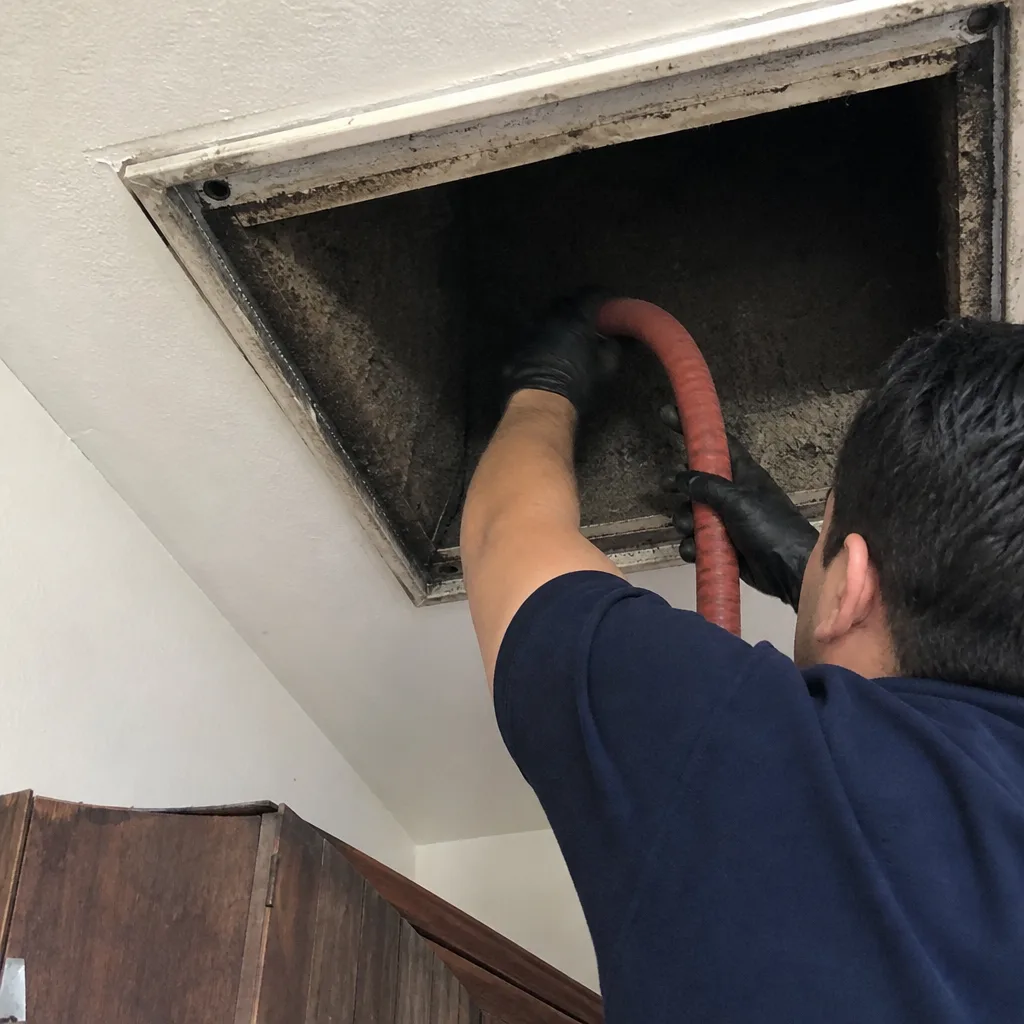 Before
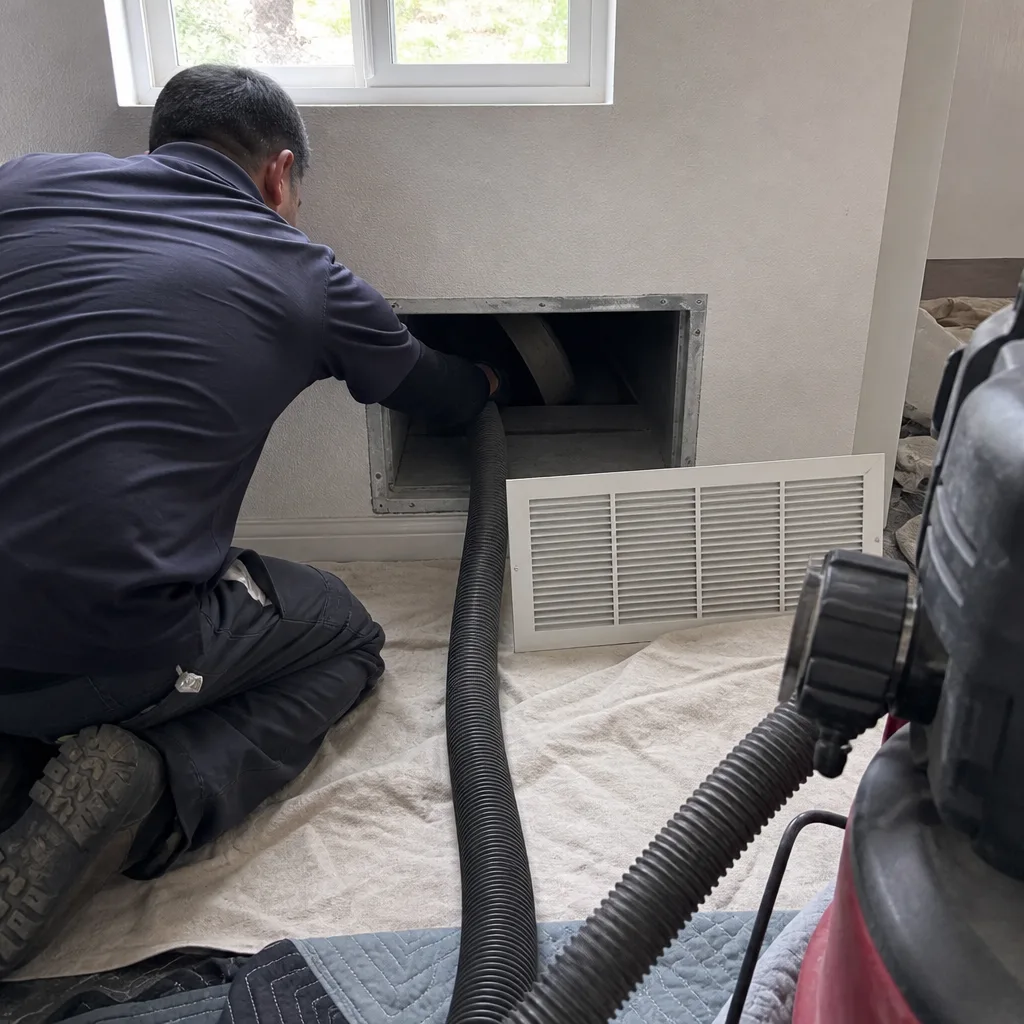 After
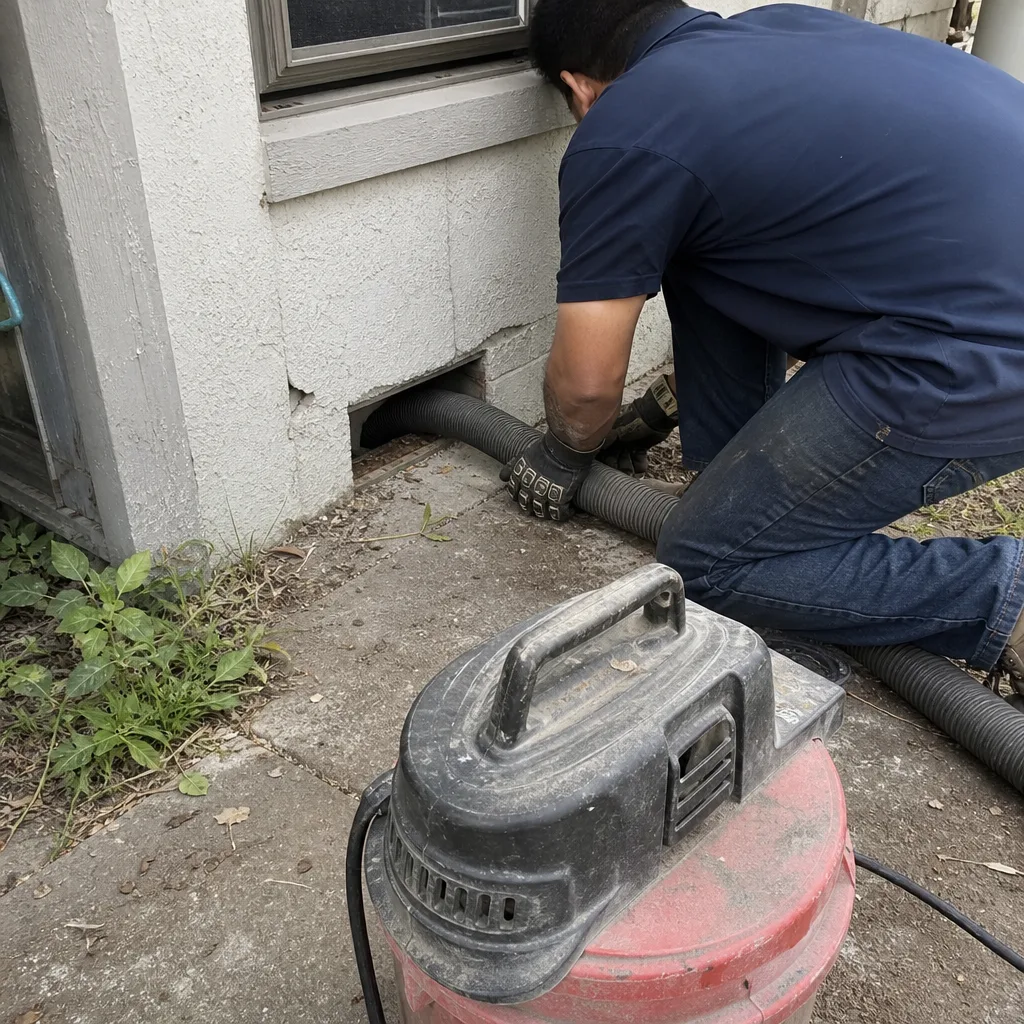 Before
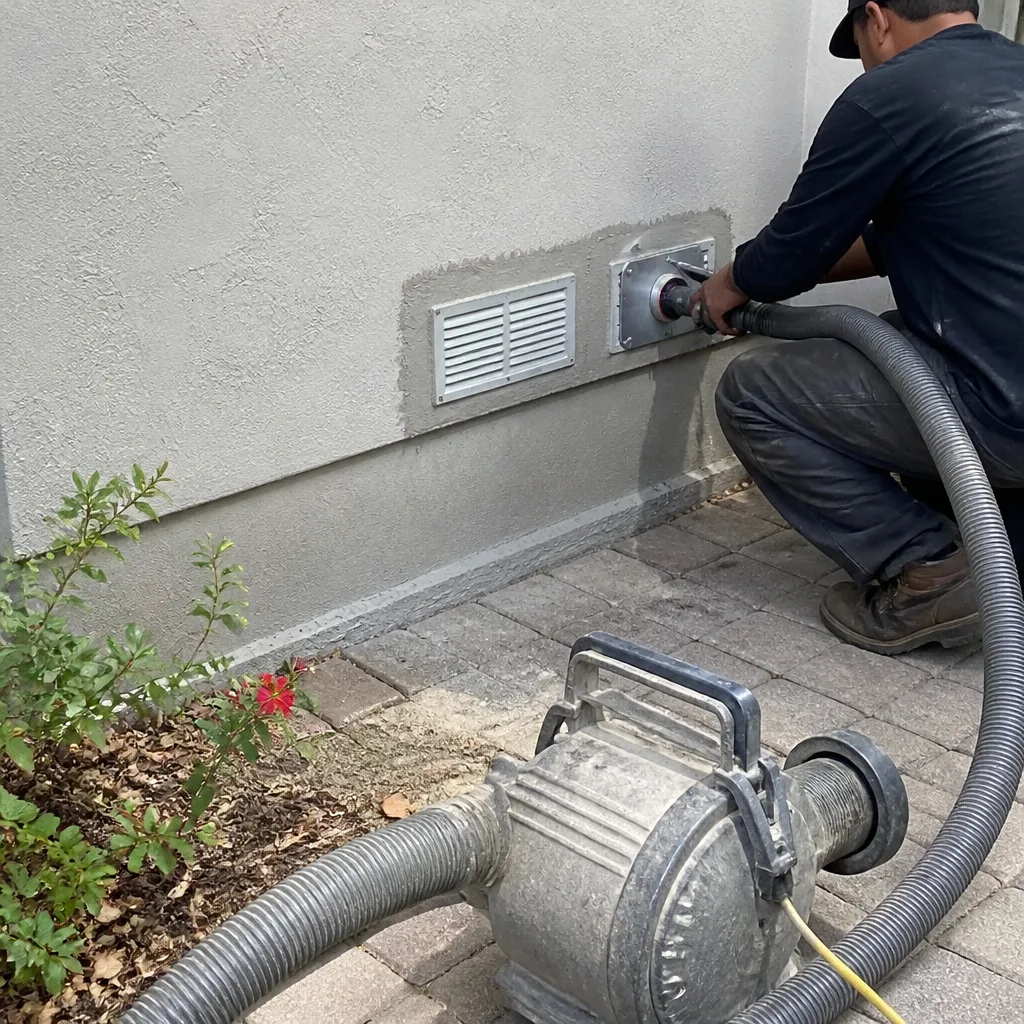 After
 Before
 After