
Last updated November 2, 2026
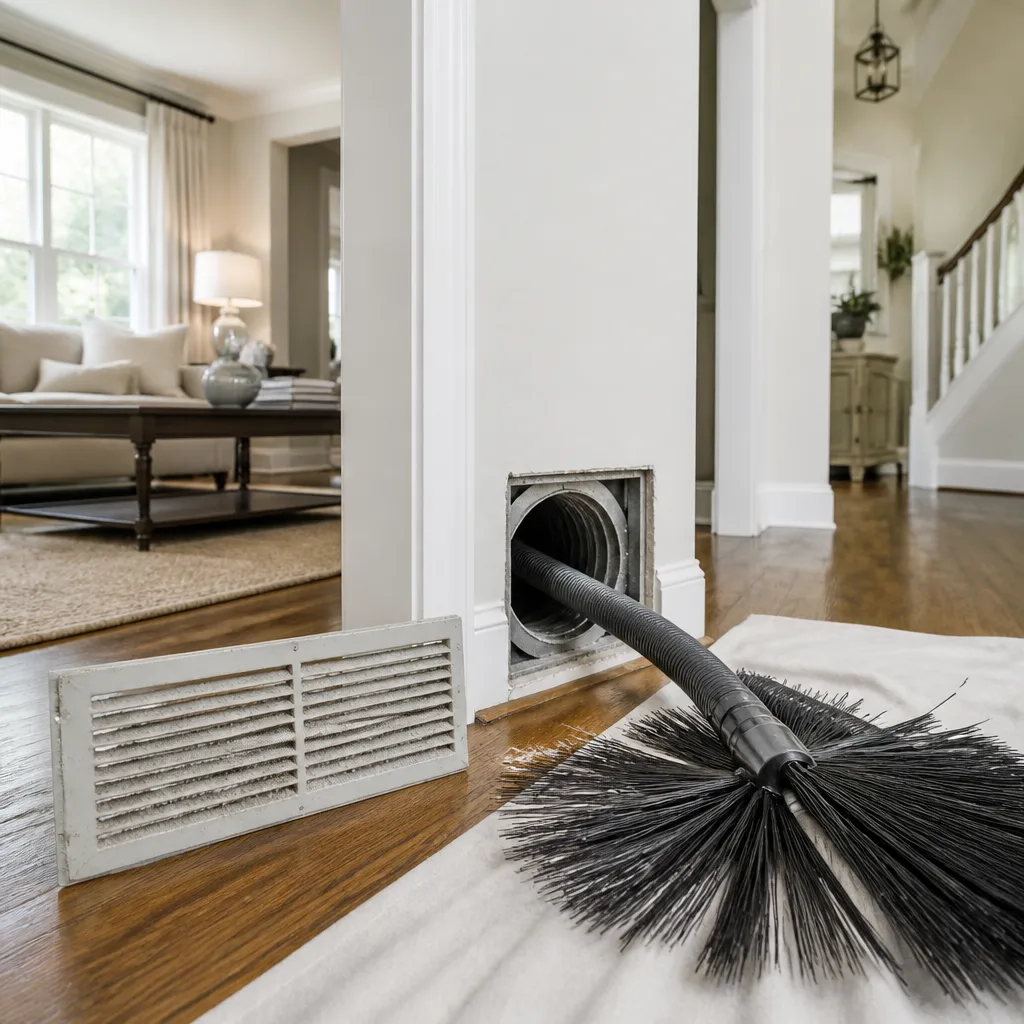 Whole-home duct cleaning
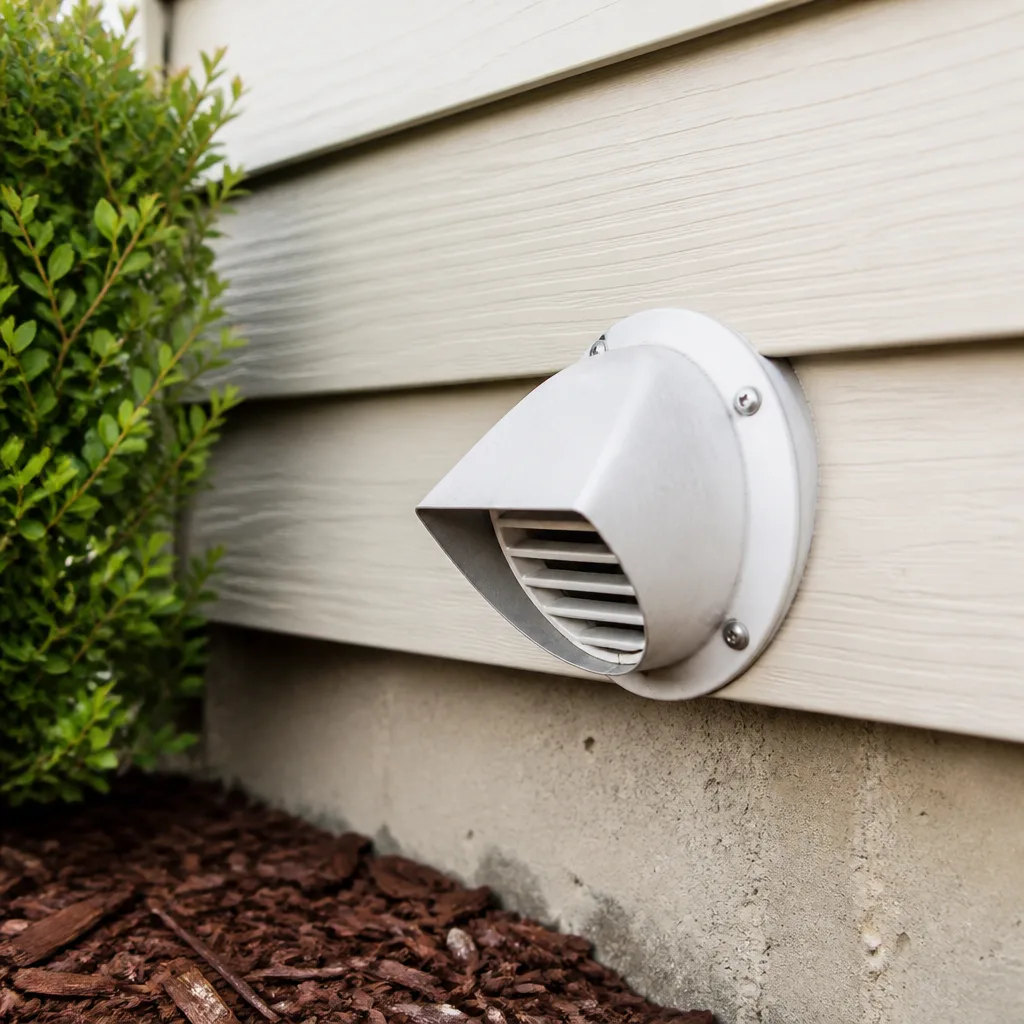 Dryer vent cleaning
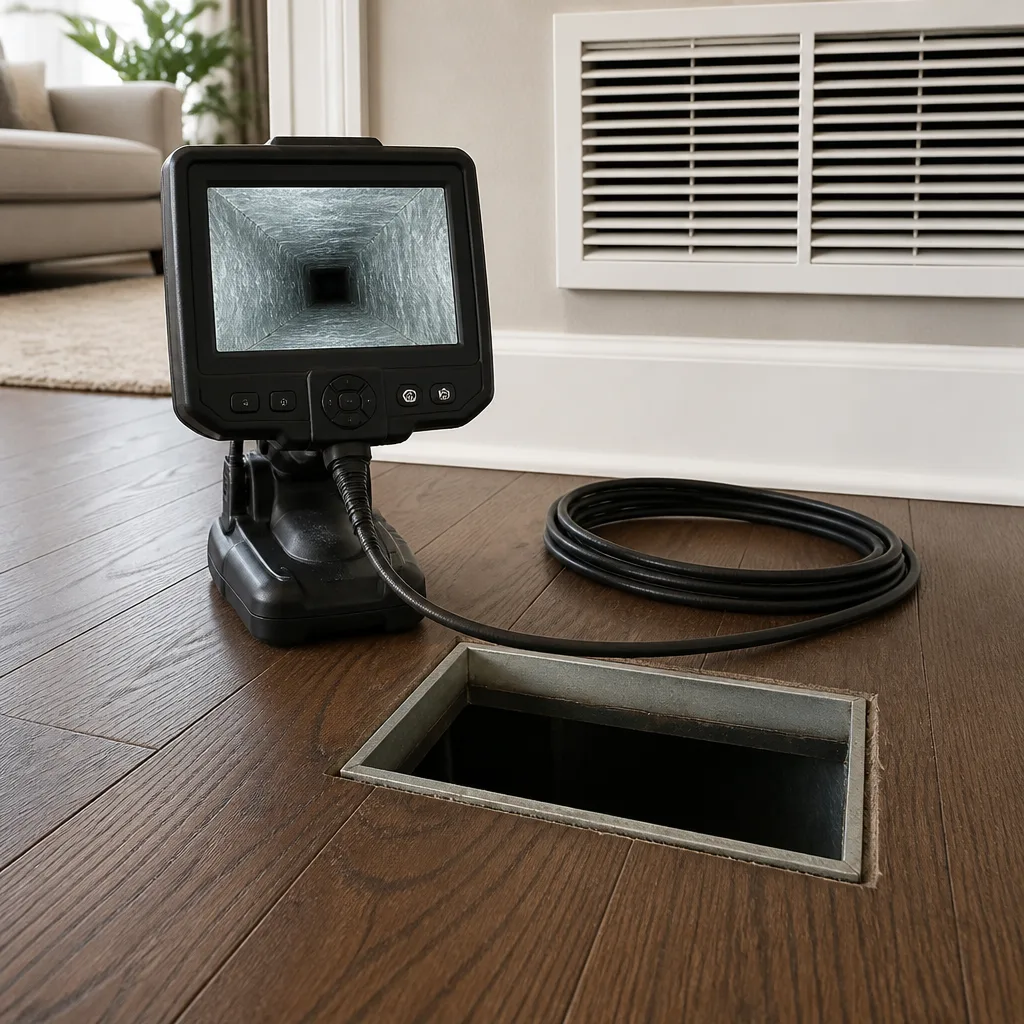 Camera inspection
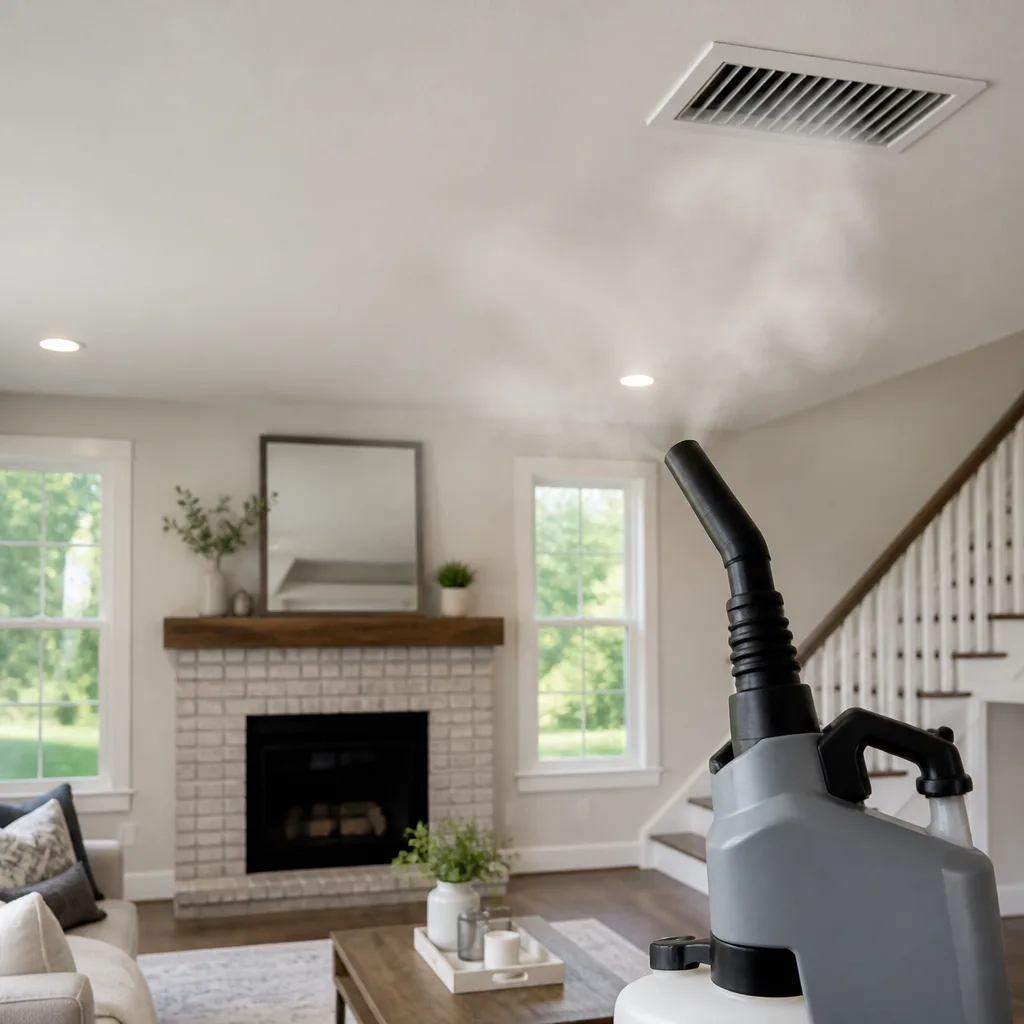 Sanitizing & deodorizing
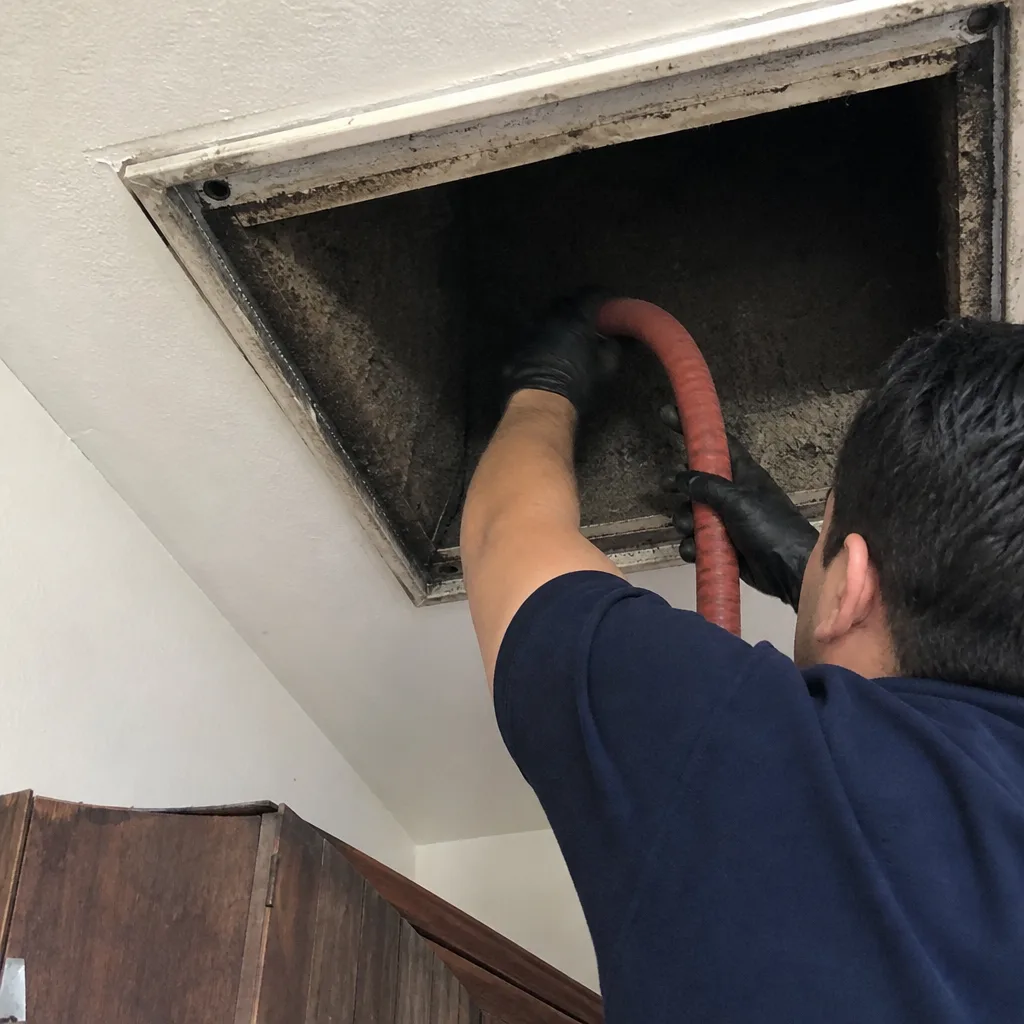
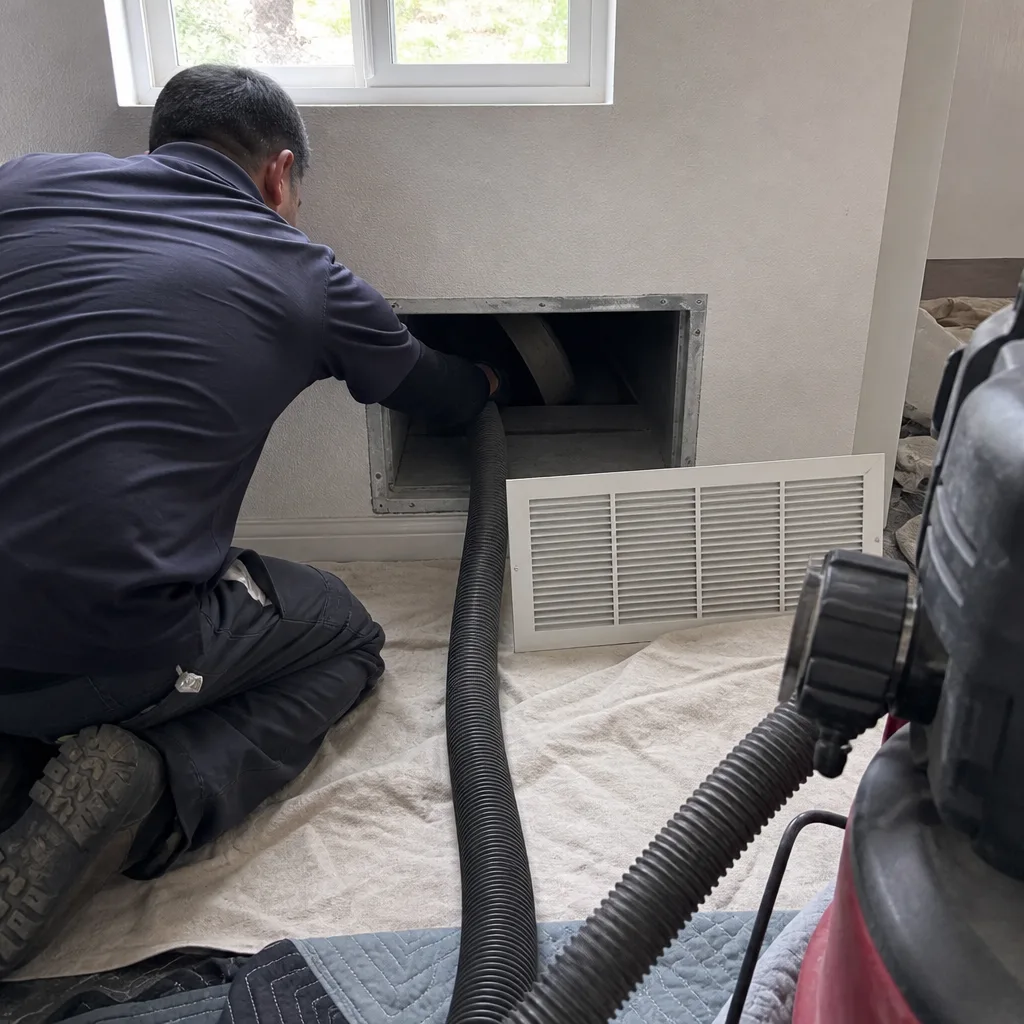
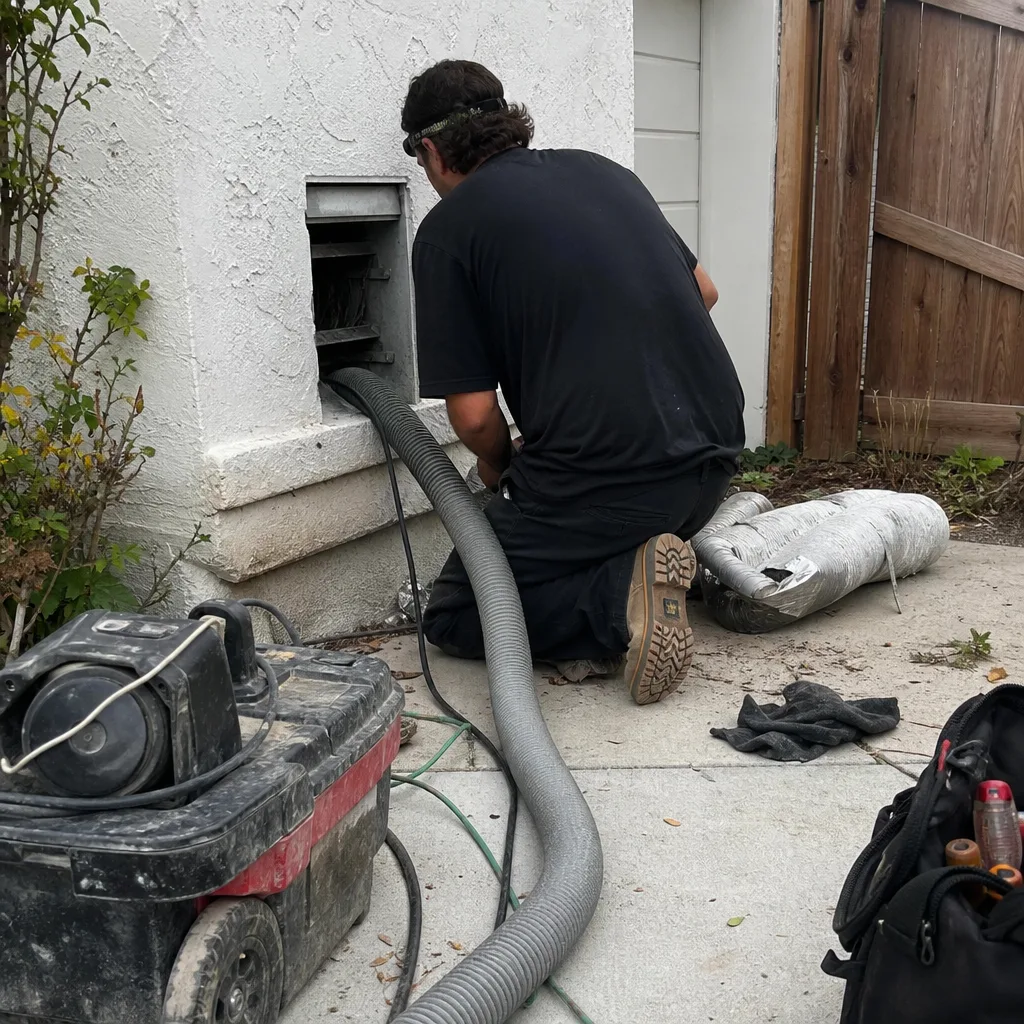
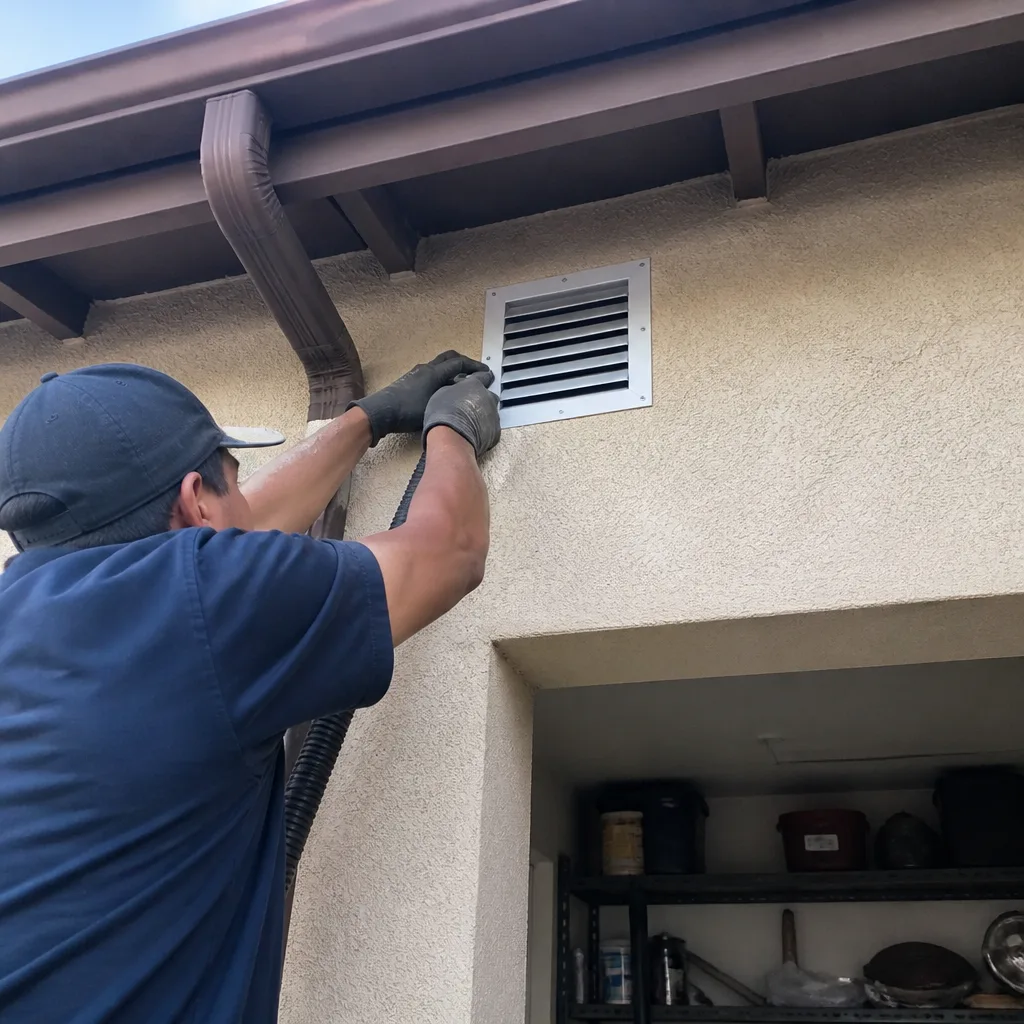
Whole-system duct and dryer vent check with before-and-after photos - you see exactly what came out of your vents
That "$99 whole-house special" is a bait ad - the real number appears once they are in your hallway, or the "clean" is a shop-vac at the register. We photograph the inside of your ducts before and after instead.
Air Duct Cleaning Warning Signs: A Pacific Beach Homeowner’s Reference Guide
Here’s a counterintuitive fact we’ve learned from years of working inside Pacific Beach homes: by the time a homeowner actually sees mold on a vent cover, the conditions that created it have been developing inside the duct system for six to eighteen months. The visible growth, the sudden allergy attack, the smell that finally becomes undeniable – none of that is the beginning. It’s the end stage, the moment a gradual accumulation problem turned into an active indoor air quality emergency. Visible mold in your ducts isn’t the warning sign. It’s the outcome.
The actual warning signs are quieter: a bedroom that never quite cools, a musty odor that only appears when the AC kicks on, dust that comes back suspiciously fast after a house cleaning. Pacific Beach coastal humidity accelerates every one of these signals. This guide explains how to read them before they become expensive problems, based on patterns we’ve documented in homes from Crown Point to North Pacific Beach and every block in between. You’ll learn what each sign actually means, how to distinguish real indicators from normal household dust, and when to make the call.
If you’ve been wondering whether your ducts are actually the problem or just the scapegoat for every sniffle and sneeze, this guide will help you answer that question with evidence rather than guesswork.
Styles & brands we work with
- Whole-home duct cleaning
- Dryer vent cleaning
- Camera inspection
- Sanitizing & deodorizing
Quick Answer
The most common warning signs that your air ducts need cleaning in Pacific Beach are: inconsistent airflow between rooms, a musty odor that appears only when the HVAC system starts, dust reappearing on surfaces within 48 hours of cleaning, allergy symptoms that track with HVAC run times, and visible debris or discoloration at accessible registers. If you notice any two of these occurring together, schedule a professional duct inspection. Coastal moisture makes Pacific Beach homes more vulnerable to duct contamination than inland San Diego neighborhoods, so early indicators should be taken seriously.
Table of Contents
- Airflow Inconsistency: The Overlooked First Sign
- The Musty-Only-When-AC-Starts Smell
- Accelerated Dust Reappearance: The 48-Hour Test
- Allergy Symptoms That Track With HVAC Run Times
- Visual Inspection at Accessible Registers
- Why Pacific Beach Coastal Humidity Changes the Equation
- How to Tell If It’s a Cleaning Problem or a Repair Problem
- Common Mistakes to Avoid
- When to Call a Professional
- Frequently Asked Questions
- The Bottom Line
Airflow Inconsistency: The Overlooked First Sign
In our experience, airflow inconsistency is the warning sign Pacific Beach homeowners dismiss most often. One bedroom feels noticeably warmer in summer and cooler in winter than the rest of the house. A hallway bathroom gets strong airflow while the adjacent bedroom gets a weak trickle. The homeowner assumes the house is “just like that” because the pattern has been stable for years. But stable unequal airflow is rarely a design flaw in a properly sized system. More often, it’s the product of debris accumulating at specific points inside the ductwork – usually at a register boot, a tight elbow, or where a flexible duct has settled and created a low pocket.
What makes airflow-based indicators so useful is that they precede every other symptom. Dust and debris don’t distribute evenly throughout a duct system. They collect where airflow slows: corners, transitions, and register boxes. Each of those partial obstructions subtly shifts how much conditioned air reaches each room. The shift is gradual enough that you adjust to it, but the pattern is consistent. The room farthest from the air handler is usually the first to go. So is any room that sits above a garage or on the west side of the house where ducts run through a hot exterior wall.
Here’s a simple test we use when talking to Pacific Beach customers:
- Note the air temperature difference between adjacent rooms on a hot afternoon. Anything beyond 4 degrees Fahrenheit is worth investigating.
- Hold a tissue or piece of light paper near each supply register with the fan running. The deflection should be similar for same-sized rooms.
- Check whether the airflow drops noticeably when you close one room’s door. Weak airflow in a closed-door room points to a return-air problem, not a supply-side issue.
- Repeat the test in heating season. Some blockages behave differently depending on which side of the coil or heat exchanger they sit on.
Most Pacific Beach homes duct systems run through attics or crawl spaces that experience dramatic temperature swings between day and night. That thermal stress causes materials to expand and contract. Over time, connections loosen. Debris that would have blown through in month one gets caught in month twelve because the interior of the duct has degraded slightly. The airflow pattern changes accordingly – but so slowly that most people never notice until a different symptom appears.
If you’re noticing one room that never feels right despite adjusting vents and filters, the duct condition itself is the next thing to assess. Our Air Duct Cleaning in Pacific Beach service begins with a system assessment that identifies exactly where airflow is being throttled. Repair work often resolves what cleaning alone can’t.
The Musty-Only-When-AC-Starts Smell
A musty smell that appears only when the AC first cycles on is one of the most reliable early indicators of microbial growth inside a duct system. It’s not the same as a general household odor problem. A musty smell that’s always present points to a standing source – a damp basement, a leaky window, a bathroom that never dries out. But a musty odor that arrives with the first blast of conditioned air and fades within a minute or two points directly at the duct interior.
Here’s what’s happening. When the system runs, air moves across the evaporator coil, which sweats. Some of that moisture inevitably makes its way into the duct interior, especially during Pacific Beach’s humid months when the AC cycles heavily. In a clean, properly sealed duct system, that condensation dries between cycles. But when the inside of the duct is coated in a thin layer of household dust – skin cells, pet dander, pollen, fabric fibers – that dust acts like a sponge. It absorbs moisture during high-humidity periods and holds onto it. Microbial growth begins in those damp dust pockets. The smell you’re noticing when the AC starts is the concentrated odor of that growth being pushed out of the registers at the start of each cycle. Once the airflow dilutes it, the smell seems to “go away.” It hasn’t gone anywhere. It’s just been distributed through the house at a concentration too low to notice.
Pacific Beach matters here more than in most San Diego neighborhoods because the marine layer creates extended periods of high humidity, especially from May through July. Homes within six or eight blocks of the ocean get that humidity in concentrated form. Duct systems in those homes dry out less completely between cycles. The dust layer inside the ductwork stays damp longer. The window for microbial growth opens wider and stays open longer than it would in, say, La Mesa or El Cajon.
We recommend running the sniff test deliberately: next time the AC kicks on after being off for at least an hour, stand near a supply register in the hallway and pay close attention to the first ten seconds of airflow. If there’s a consistent musty or earthy note that fades as the air moves, that’s your signal. It’s not the duct cleaning itself that’s urgent. It’s the confirmation that moisture and organic material are meeting inside your system – and that’s exactly the combination that leads to visible mold later.
Accelerated Dust Reappearance: The 48-Hour Test
All homes accumulate dust. That’s not a warning sign. The relevant question is speed. If you can wipe down a dresser or windowsill and have a visible layer of dust back within two days, that rate is telling you something specific about the state of your duct system. Specifically, it’s telling you that dust isn’t just being generated inside your living space – it’s being recirculated through the HVAC system every time the blower runs.
Here’s why speed matters. A properly functioning HVAC system with a clean duct interior and an effective filter traps a large share of airborne particles before they return to your living space. Some dust gets through, which is normal. But when the duct interior itself is heavily coated with accumulated particulate matter, the HVAC system becomes a dust generator instead of a dust filter. Air moves across decades of accumulated debris. The lightest particles get picked up and delivered back into the rooms. That’s why the dust returns so quickly, and why it seems to appear even in rooms where no one spends much time.
In Pacific Beach specifically, this pattern gets worse in late summer and early fall. It’s the busiest part of the year for our Pacific Beach air duct cleaning calls. Windows are open more during mild spells, which brings in pollen and coastal particulate. Then the AC comes back on for heat waves, pulling that new particulate into the return ducts. The result is a dustier-than-normal indoor environment even in meticulously cleaned homes.
Try this test before you schedule anything:
- Wipe a bedroom dresser surface clean with a damp microfiber cloth.
- Note the date and time.
- Check the same surface 48 hours later without cleaning it in the interim.
- Run a finger across the surface. If you get a visible line of gray dust, note how much dust appears on your fingertip.
- Repeat the check after another 48 hours. If the dust is visibly accumulating, you have a recirculation problem.
The 48-hour test on a smooth, dark surface is crude but effective. What you’re measuring isn’t the amount of dust in the air – that’s always high in a coastal neighborhood. You’re measuring whether your HVAC system is actively pumping that dust back into the rooms on a continuous basis.
Allergy Symptoms That Track With HVAC Run Times
This is the warning sign most Pacific Beach homeowners attribute to the wrong source. You wake up congested. You sniffle in the evening. Your eyes itch. You assume it’s the jasmine, the pine pollen, the neighbor’s cat that wanders onto the porch. Here’s the pattern to watch: do the symptoms improve when the HVAC system hasn’t run for several hours? And do they return when the system has been running for a while? If the answer to both is yes, your duct system is a likely contributor.
The distinction matters because HVAC-related allergy symptoms aren’t caused by outdoor allergens. They’re caused by whatever is living inside your ducts – accumulated pollen, pet dander from previous occupants, dust mites that have colonized the dust layer, or mold spores from microbial growth. When the blower runs, it aerosolizes those particles and pushes them through every register into the breathing zone. When the blower stops, the particle concentration gradually settles. Symptoms ease. The cycle repeats, and you never connect the dots because the correlation isn’t obvious when you’re living inside it.
Track it deliberately for two weeks. Note when your HVAC runs (a smart thermostat with a runtime log makes this easy). Note when your symptoms are worst. If the correlation is consistent – symptoms peak within 30 to 60 minutes of system startup and ease when the system has been idle – that’s a duct issue signal, not just “allergy season.” We see this pattern in Pacific Beach townhomes and older single-family homes more than in new construction, because older systems often have decades of accumulated organic material inside the ducts.
The fix for HVAC-linked allergy symptoms isn’t necessarily medication. It’s often a thorough cleaning of the duct interior, combined with a furnace filter upgrade. We work with Fairway Air Duct Cleaning home clients who are surprised by how much a cleaning improves indoor air quality scores, especially when a previous filter was inadequate for a home with pets or high foot traffic.
Visual Inspection at Accessible Registers
Visual inspection is the one step every Pacific Beach homeowner can take without special tools. But you need to know what to look for. Not all debris at a register is a warning sign. The difference is in texture, color, and pattern.
First, remove the register cover from two or three supply vents (a Phillips screwdriver is usually enough). Then look at what you see:
- Gray, fluffy, loose dust: Normal in most homes, especially in Pacific Beach where open windows introduce coastal particulate. This alone doesn’t indicate a problem.
- Gray-black compacted debris along the duct walls: This is a problem. The debris has been accumulating long enough to compress and adhere, which means it’s been there for years and it’s providing a base layer for additional growth.
- Dark staining at the register boot or diffuser edges: This is a warning sign of moisture plus organic material. In coastal homes, this often looks like dark streaks radiating along the edge of the boot where condensation tends to settle. It’s not visible mold yet – but the condition is right for it.
- White, yellow, or greenish patches on flexible duct liner: This is an active microbial growth indication. It’s rare but when it appears in Pacific Beach crawl spaces or attics with poor ventilation, it indicates a serious moisture problem.
- Fine sand or gritty particles: In Pacific Beach, this is often wind-blown sand from the beach entering through open windows or shoes. A small amount is normal. But a persistent layer of gritty dust inside the duct suggests inadequate return-side filtration.
- Insulation fibers mixed with dust: If the internal liner of a fiberglass duct is degrading, you’ll see tiny glass fibers mixed in with the dust. This points to duct repair rather than just cleaning.
The key distinction: loose debris is a housekeeping issue. Compacted, stained, or patterned debris is a system condition issue. Those patterns tell you that the duct interior has been serving as a reservoir for moisture and organic matter for a long period. That’s when our Air Duct Repair in Pacific Beach team finds damage that cleaning alone won’t resolve – separated seams, failed liner, or gaps that let crawl space air into the system.
Why Pacific Beach Coastal Humidity Changes the Equation
Generic duct cleaning advice online tends to assume a neutral climate: moderate humidity, moderate temperature swings, moderate airborne particulate. Pacific Beach is nothing like generic. The marine layer that rolls in most mornings between May and July keeps relative humidity elevated for hours longer than inland neighborhoods. Salt air works on metal components. And the sandy soil around beach homes contributes a distinctive fine particulate load to indoor dust. All three factors accelerate duct contamination.
The humidity factor is the most important. Microbial growth – the predecessor to visible mold – requires three things: organic material (dust), moisture, and time. Pacific Beach provides moisture in greater quantity and duration than almost any other San Diego neighborhood. The result is that the window for contamination inside ducts is wider here, and the time from “musty smell” to “visible growth” is shorter. We’ve inspected duct systems in Crown Point condos and Mission Beach-adjacent homes where signs of early microbial activity appeared within two years of a cleaning, simply because the environment is that aggressive.
Salt air complicates things further. Pacific Beach homes within half a mile of the ocean have measurable salt content in household dust. That salt dust is hygroscopic – it attracts and holds moisture from the air. A duct interior coated with salt-laced dust holds moisture longer after each HVAC cycle, which extends the damp window that microbial growth needs. It’s a vicious cycle that inland homes simply don’t experience.
The practical takeaway: if you live in Pacific Beach, the standard “clean your ducts every 3-5 years” advice doesn’t map cleanly to your reality. Coastal conditions justify a shorter interval, and sharper attention to early warning signs. The air duct cleaning guide for Pacific Beach homeowners we’ve published goes into more detail on recommended intervals based on proximity to the water, household size, pets, and HVAC usage patterns.
How to Tell If It’s a Cleaning Problem or a Repair Problem
One of the most common mistakes we see is treating every duct issue as a cleaning issue. Sometimes the problem is that the duct interior is dirty. Other times, the duct system itself is failing, and cleaning will only provide a temporary improvement. The distinction matters because repair issues left unaddressed will undo the benefit of cleaning within months.
Here’s a practical way to separate the two:
- Debris that accumulates evenly across the system: Usually a cleaning problem. The entire duct interior is coated with household dust and needs professional removal.
- Debris concentrated at specific transition points, elbows, or boots: Often points to repair issues like separated seams, crushed flex duct, or gaps that allow unfiltered air to enter at those spots.
- Dust that returns quickly across the whole house after a cleaning: Likely a repair issue. If the return side is pulling air from an attic or crawl space through a gap, the system will re-contaminate rapidly.
- Airflow poor only in one room even after filter change: Repair or installation issue. A crushed flex duct run, disconnected boot, or collapsed liner will not be fixed by cleaning.
- Visible fluffy insulation fibers mixed with dust at registers: Repair issue. The internal liner is degrading. Cleaning will dislodge more fibers and make the problem worse.
At Fairway, we treat air duct repair in Pacific Beach as a distinct service precisely because it addresses the root cause rather than the symptom. When we use Rotobrush and Nikro equipment to clean a system, the results last because the system is sound. When we identify a repair need first and fix it before cleaning, the benefit compounds. Doing it in reverse – cleaning then repairing – leaves debris from the repair work circulating through a freshly cleaned system.
Common Mistakes to Avoid
- Replacing the air filter and assuming that solves it. A new filter captures what passes through it, but it does nothing for the debris already coating the duct interior downstream. You’ve improved the filter’s performance, not the system’s cleanliness.
- Treating musty smells with air fresheners or scented filters. You’re masking the indicator. The underlying moisture-and-organic-material interaction is still happening, and it will still lead to biological growth whether or not the smell is detectable.
- Cleaning only the registers you can see. Pacific Beach homes often have ducts running through attics and crawl spaces that are difficult to access. Surface cleaning at accessible registers gives a false sense of progress while the majority of the duct length remains contaminated.
- Assuming new construction doesn’t need cleaning. In Pacific Beach, construction debris – drywall dust, sawdust, and even food wrappers – is commonly left in newly installed duct systems during the building phase. A new home can have a filthy duct system before you ever move in.
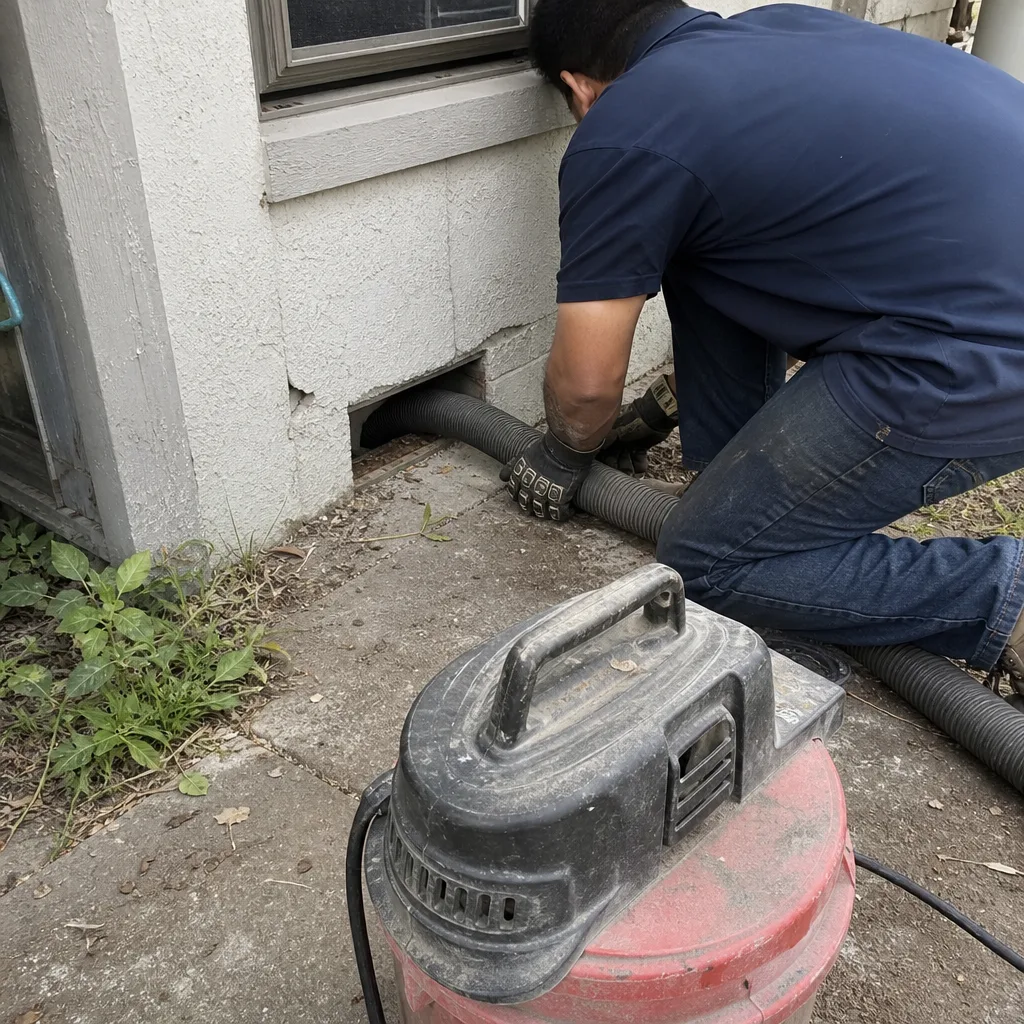
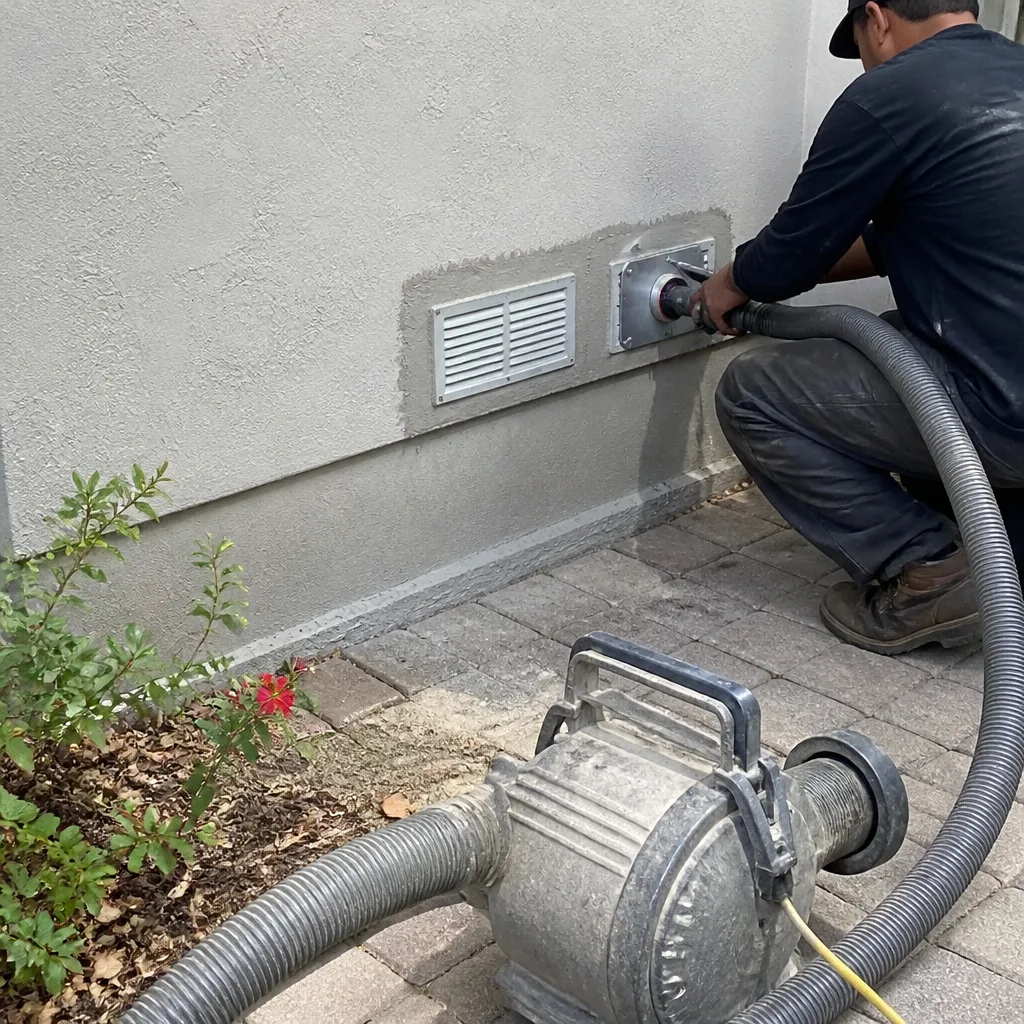
- Ignoring the dryer vent. A separate but related issue. Lint-clogged dryer vents are a documented fire hazard and a common issue in Pacific Beach homes where laundry areas are often tucked away in closets or garages. Dryer Vent Cleaning in Pacific Beach is a different service from duct cleaning, with its own warning signs and its own safety considerations.
- Assuming a hissing sound means the duct is “just old.” Hissing at registers often points to air escaping through a gap or seam. That’s a repair indicator, not a noise complaint. Escaping air means unfiltered air is also entering.
- Deferring inspection because “the AC works fine.” Cooling performance and indoor air quality are separate system functions. A system that cools well can still be a major source of particulate recirculation.
When to Call a Professional
Here’s the simplest decision rule: if you’ve noticed two or more of the warning signs described in this guide, a professional inspection is the next step. The specific threshold varies by scenario. A persistent musty smell at AC startup combined with visible dark staining at registers calls for immediate attention. Mild airflow inconsistency with no other signs can wait for a routine service interval. Unexplained allergy symptoms that clearly track with HVAC run times should be evaluated quickly, especially in households with children, elderly occupants, or anyone with respiratory conditions.
Professional inspection includes more than visual checks. We use camera systems to look at the entire duct interior – including lengths you can’t access by removing a register. The assessment identifies contamination level, source, and any structural issues. Fairway Air Duct Cleaning offers free estimates in Pacific Beach. Call (866) 241-3526 to schedule an inspection.
Frequently Asked Questions
Air duct cleaning in Pacific Beach typically costs between $400 and $800 for a single-story home with ten to fourteen vents; larger homes or those with multiple HVAC systems run higher. Pricing is per home, not per vent. Call (866) 241-3526 for a specific estimate.
Cheaper quotes usually mean one of two things: the company is doing a surface-level cleaning that doesn’t actually clean the full duct length, or they’re planning to upsell you once work begins. The bait-and-switch pattern is common in this industry: a low teaser rate becomes a surprise invoice when the technician arrives. Fairway quotes one price per system before work starts, with no per-vent pricing and no surprise fees.
Ask for photo documentation. Professional-grade equipment from companies like Rotobrush and Nikro includes camera systems that photograph the duct interior before and after cleaning. If a contractor can’t or won’t provide before-and-after images of your own ducts, that’s a red flag. You should be able to see what the inside of your ducts looked like before and after the work.
For most Pacific Beach homes, every 3 to 5 years is a practical interval. Homes within half a mile of the ocean, households with pets, and homes with smokers or allergy sufferers will benefit from shorter intervals. If you’ve had renovation work done, schedule cleaning immediately afterward – construction dust settles in ducts and recirculates for months.
Yes. Duct systems accumulate pollen, pet dander, dust mites, and microbial spores over time. When the HVAC blower runs, it aerosolizes those particles and pushes them into living areas. The symptom pattern – symptoms that ease when the HVAC is off and worsen when it runs – is the most reliable indicator that your ducts are the source.
Yes, in measurable ways. The marine layer brings extended high-humidity periods that inland neighborhoods don’t experience. Salt air from the ocean adds a hygroscopic component to household dust, which means the dust inside Pacific Beach ducts holds moisture longer. Both factors accelerate the contamination process and shorten the window between cleanings.
The Bottom Line
The warning signs that matter in Pacific Beach aren’t the dramatic ones. They’re the quiet indicators that something is accumulating inside your duct system: a bedroom that never cools properly, a musty smell that arrives with the first puff of AC air, dust that returns suspiciously fast, allergies that track with the thermostat. Individually, each sign is easy to dismiss. Together, they tell a clear story about the condition of your ducts and the air you’re breathing.
Pacific Beach’s coastal environment accelerates every contamination process, which means homeowners here need to act on early indicators sooner than their inland counterparts would. The right response to any two of the signs described in this guide is a professional inspection with camera documentation. That’s the only way to know whether you’re dealing with a cleaning issue, a repair issue, or both. If you’re ready to know what’s actually inside your ducts, call Fairway Air Duct Cleaning at (866) 241-3526 for a free estimate in Pacific Beach.
Written by the team at Fairway Air Duct Cleaning, serving Pacific Beach since 2014.
See the difference
 Before
 After
 Before
 After
 Before
 After